


Fuel subsidies are highest in the Middle East and North Africa, where they account for more than 4 per cent of gross domestic product, the World Bank said in a report released yesterday. That compares with 1 per cent of GDP spent on social safety net programmes such as conditional cash transfers, it said.
Energy subsidies “mostly have an impact on the upper- income groups in the population, who are more likely to be consuming electricity and fuels in larger quantities,” the bank said in the report. They “may crowd out other types of public spending, explaining low spending on social safety nets.”
The bank’s report finds that less than a third of people living in extreme poverty are covered by social transfer programmes.
“The poorest countries are worse-off in terms of covering the extreme poor,” the bank said.
In low-income countries, where 47 per cent of the population lives with less than US$1.25 (RM4.05) a day, safety nets cover less than 10 per cent of the population, it said.
The report also finds that the five largest safety nets in the world, which include school feeding programmes, are located in India, China and Brazil, and together account for half of the global coverage. — Bloomberg
Putrajaya's fuel subsidies may siphon aid from poor, World Bank says


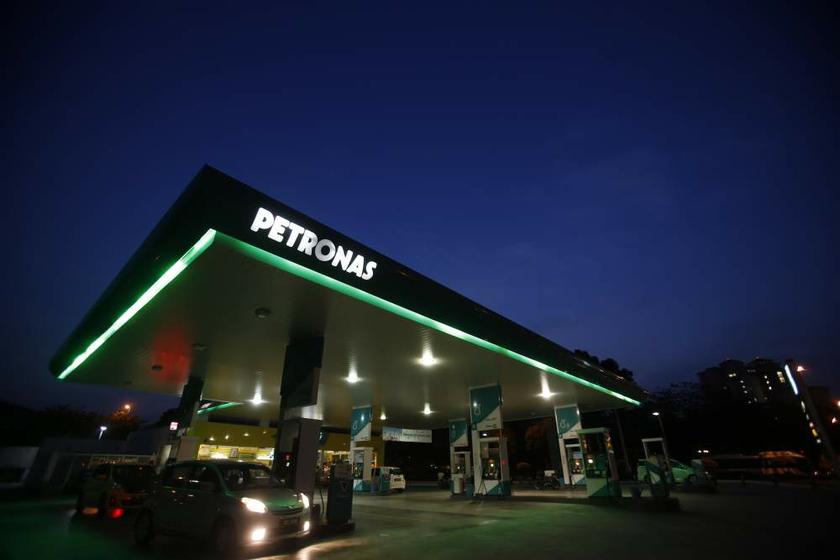
High Fuel subsidies provided by contries such as Malaysia may crowd out other types of public spending, according to World Bank. — Reuters pic
Stay updated on the latest news and insights. Subscribe to our newsletter here
 Make Malay Mail your preferred source on Google Giving you news that matter to Malaysians. Make Malay Mail your preferred source when you search for news on Google.
 First Published: Wednesday, 14 May 2014 9:41 AM MYT


