


NEW YORK, Oct 20 — The Dinner Party, by artist Judy Chicago was created to rectify the absence of women from the dominant Western historical narrative. A new exhibition at the Brooklyn Museum gets into the artistic and political context of its bold creation.
Judy Chicago was one of the key pioneers in promoting a feminist approach to art throughout her 50-year career, which also included advocating for feminist art education.
The Dinner Party (1974-79), perennially displayed at The Brooklyn Museum, is the artist’s most influential work. It comprises a huge ceremonial banquet, arranged at a triangular table with a total of 39 place settings. Gathering, and commemorating, both historical and mythical women, each setting reflects the designated figure with personalized embroidered runners and painted porcelain plates — celebrating materials and techniques traditionally considered the domain of women and domestic labour. The names of 999 additional women are inscribed in gold on the white tile floor below the triangular table.
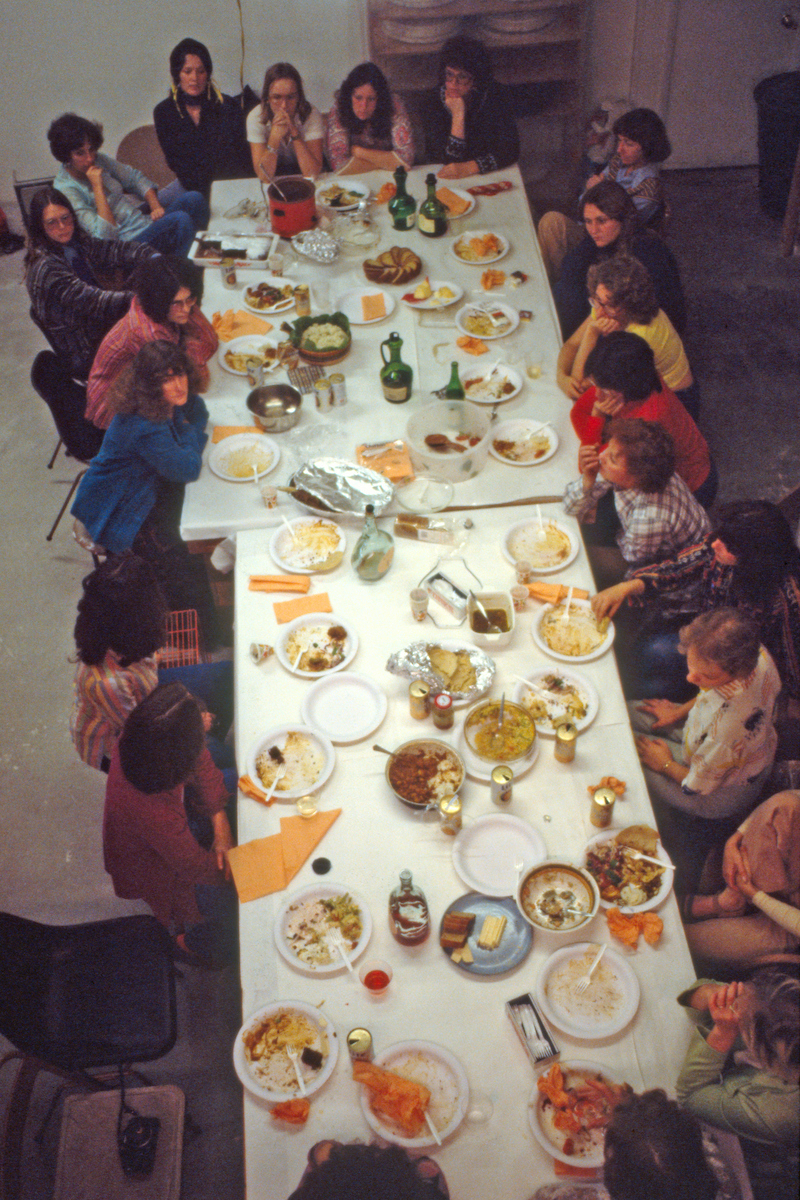
Chicago involved nearly 400 people of both genders in a vast studio workshop to complete the installation. After five years of preparation, The Dinner Party debuted at the San Francisco Museum of Modern Art in 1979, drawing approximately one hundred thousand people during its three months on view. For many, the artwork’s alternative view of Western history and culture was a radical first. The Dinner Party proved controversial, with some perceiving it as pornographic and kitschy.
After its debut, The Dinner Party went on a nine-year tour to 14 international venues. To date, it is a highlight of the Brooklyn Museum’s permanent collection. The installation was gifted to the Brooklyn Museum in 2002; the Elizabeth A. Sackler Centre for Feminist Art opened in 2007 with The Dinner Party as its foundation. Exhibition curator Carmen Hermo stated: “This signature piece in our collection is a vital resource for sparking conversation about feminism, political art, and diverse representation.”
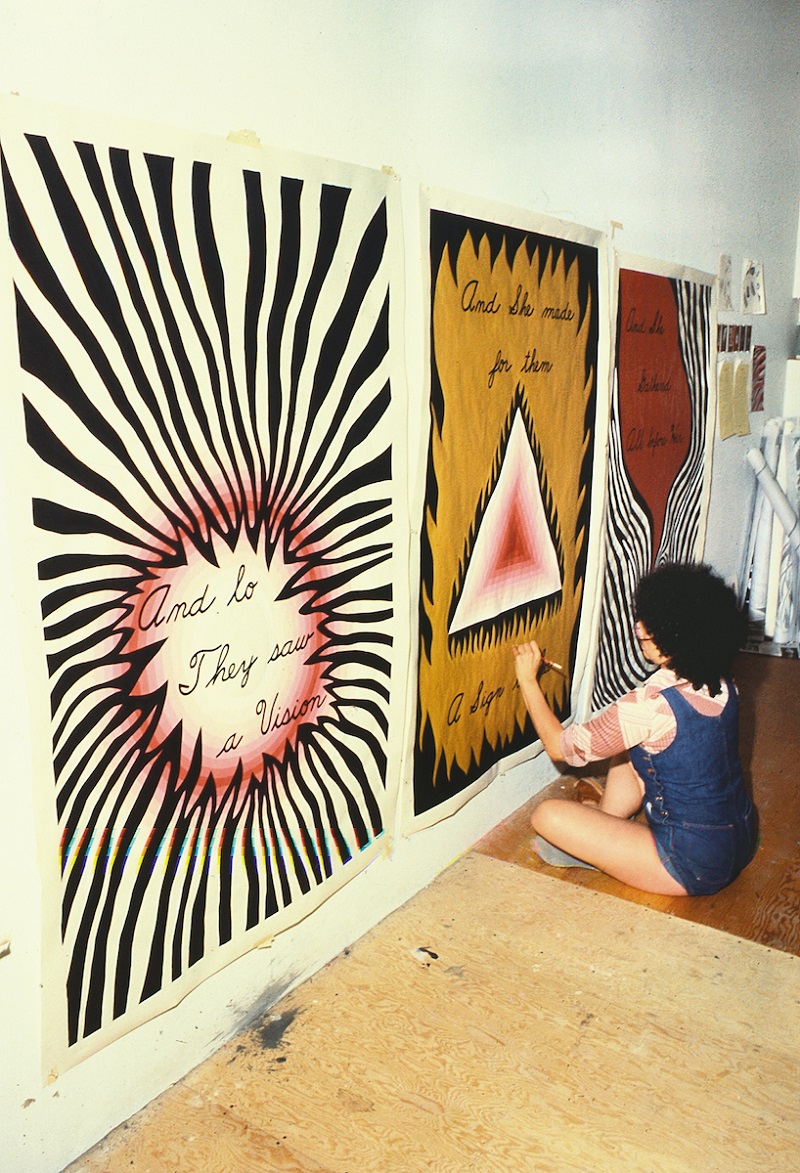
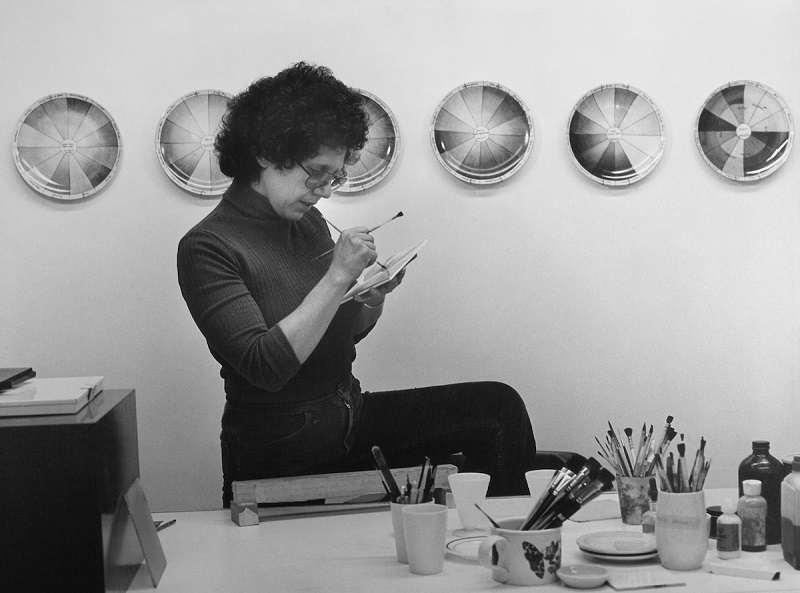
Presented alongside the triangular installation itself, an exhibition “Roots of ‘The Dinner Party’: History in the Making” delves into the formal, material, and conceptual development of Chicago’s artwork, studying the thought processes, creative evolution, and contextual history. Unfolding chronologically, the exhibition features more than 100 objects, including test plates, research documents, notebooks, and preparatory drawings from 1971 through 1979. The selection reveals the installation’s complex multiple layers — from painting porcelain to doing needlework. The Mary Wollstonecraft and Sojourner Truth place settings are examined as case studies.
The museum billed Chicago’s piece as “a triumph of collaborative art-making, and a testament to the power of revising Western history to include women.”
“Roots of ‘The Dinner Party’: History in the Making” (October 20, 2017 — March 4, 2018) is the concluding exhibition in the overarching programme “A Year of Yes: Reimagining Feminism” at the Brooklyn Museum. — AFP-Relaxnews


