GEORGE TOWN, July 20 — The George Town World Heritage Incorporated (GTWHI) has started a pilot sustainable restoration project with a Cantonese clan association to help heritage building owners in the world heritage site.
According to GTWHI general manager Ang Ming Chee, the main problems faced by heritage building owners are the complicated heritage restoration guidelines and costs involved.
“Many are not aware of the process required in restoring a heritage building and when they follow the process, the next problem they face is the costs,” she said.
So when GTWHI came across the repair works conducted by Ng Fook Thong Cantonese Districts Association on their 119-year-old building in late June, they decided that it was time to kick off a pilot project to find sustainable ways for heritage building owners to restore their buildings and at more reasonable costs.
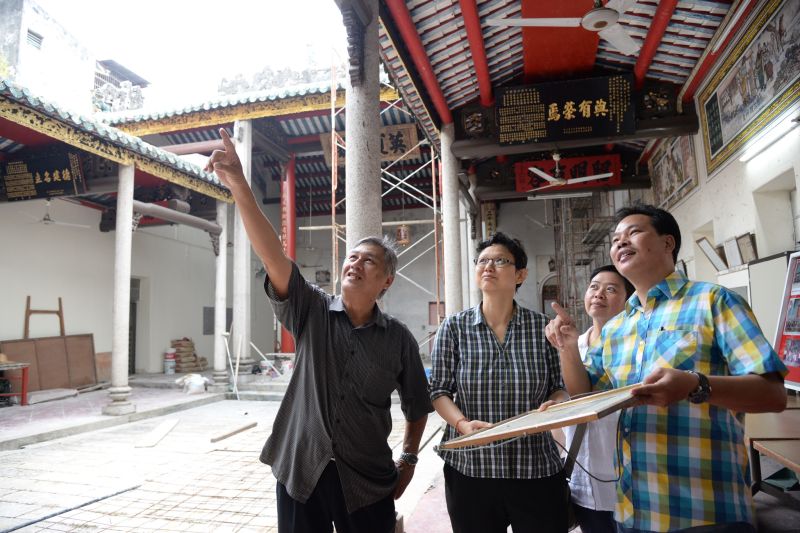
“This project can be used as a case study for a more sustainable way to restore buildings in the heritage site,” Ang said during a site visit to the Ng Fook Thong building.
The Ng Fook Thong Cantonese District Association committee started repair works on the building in May but did not apply for the necessary permits or follow the heritage guidelines in the repair works.
The committee secretary Loke Hon Wah claimed he did not know he had to apply for permits, but agreed to stop work now that GTWHI told him the repairs were unsuitable.
The association was also issued a stop-work order on July 3, and they immediately complied.
GTWHI is currently assisting the association to apply for allocation from the state government to restore the building.
“Costs of restoring the building is about RM2.5 million and we are working closely with the association to find better ways to do the restoration works,” Ang said.
She said if the pilot project is successful, it could be used as the blueprint for other heritage building owners to follow so that they could restore their buildings without having to face too many technical and costs issues.
Ang said the reason she chose to work with the association for this pilot project was because the committee members were sincere in protecting its building.
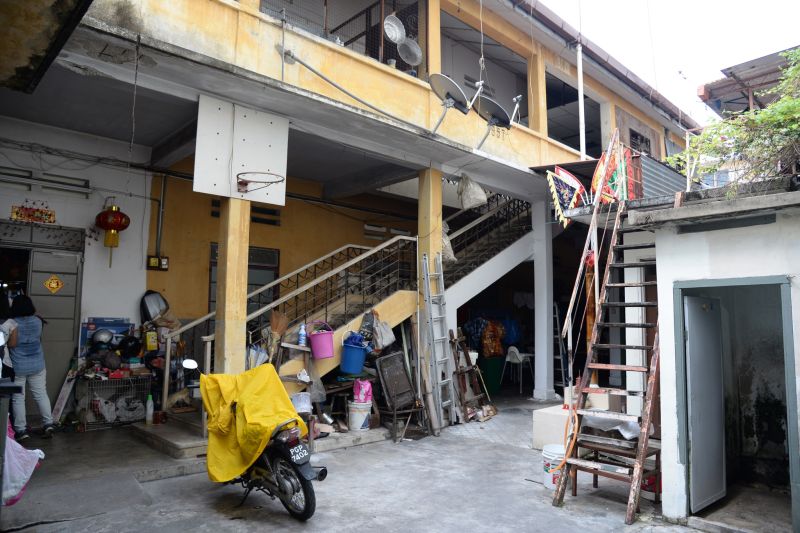
The building was built in 1898 to house one of the first Cantonese schools in the nation and in 1957 an extension was built behind the main building.
The double-storey extension has a total 12 classrooms but the school moved out in 1978.
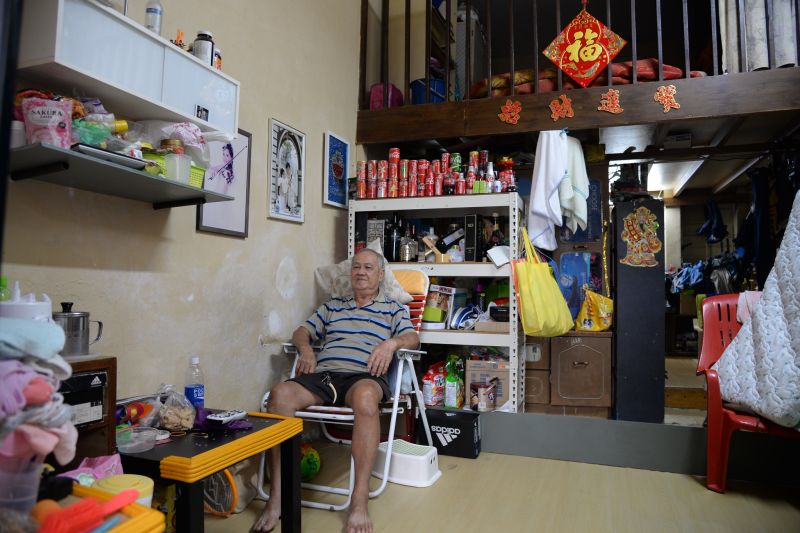
The double-storey extension was converted into accommodations and the “classrooms” were converted into separate units.
Till today, the accommodations are rented out to tenants at minimal rates.
“The extended building will also be restored but the committee is sincere in preserving living heritage as they specifically said that the tenants must be maintained after the restoration,” Ang said.
For now, all works on the building have stopped while GTWHI work together with the committee.
“We will be getting consultation from conservation experts from Australia on what can be done,” she said.
The association is now also applying for allocation from the Penang state government to restore the building.