


NEW YORK, March 9 ― Long gone are the days when chefs were just chefs, when their main job was simply to turn out dishes that provided instant gratification with artistic and culinary aplomb.
In the last few decades, the emergence of international restaurant rankings that bestow lofty ― and some say over-inflated ― titles such as “World's Best Chef” and “World's Best Restaurant” has birthed a new breed of superhero chef crusaders. These are chefs who have been gifted the international spotlight and use it to dream big and try to change the world.
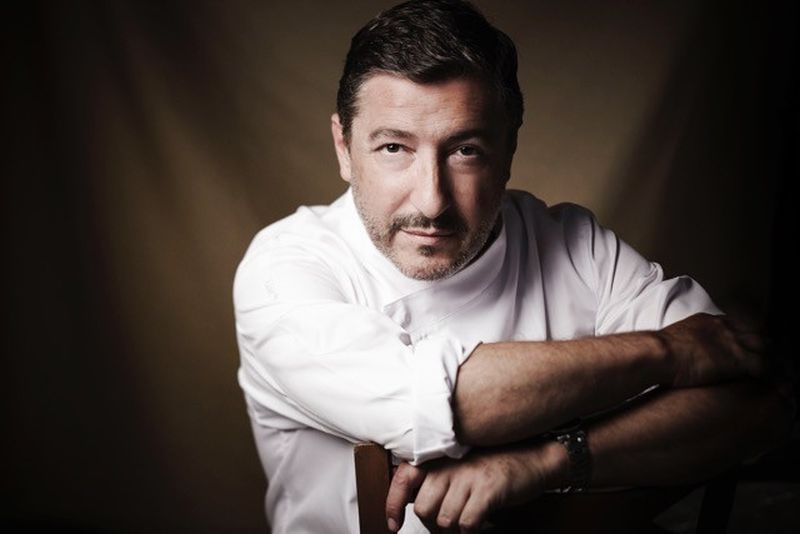
It's a pattern that's easy to identify among winners of the World's 50 Best Restaurants, starting with Spanish chef Ferran Adrià, Noma chef René Redzepi, and now, Joan Roca of El Celler de Can Roca, which currently holds the top title.
“We have a high profile and visibility in the public eye,” said Roca in a phone interview from Bangkok. “We have to accept that responsibility and do something positive.”
Gastronomy with a purpose
It's a responsibility that goes beyond making the best cuisine in the world, and involves everything from writing the culinary equivalent of Wikipedia (Adrià), building major R&D centres on high gastronomy (Adrià and Roca) and hosting international summits that treat food as philosophy (Redzepi).
Most recently, Roca returned from Thailand where he participated in the Royal Project, an initiative created by the Thai king in 1969. It aimed at replacing opium poppies and eradicating drug production with agricultural crops, which turned out to yield higher incomes for local farmers.
Along with a top Thai chef, Roca toured Northern Thailand to support the program that has helped transform communities in the region. The event was held following Asia's 50 Best Restaurants awards last week.
It's one of several do-gooder initiatives from the chef and his brothers, Josep and Jordi, who form the El Celler de Can Roca team in Girona, Spain.
Earlier this year, the brothers were named UN Goodwill Ambassadors where they will work with the Fund for Sustainable Development Goals to make food, nutrition and employment accessible within 21 countries.
Along with the local University of Girona, the trio will also oversee the development of the Center for Innovation in Gastronomy, where students will study food with academic fastidiousness.
No longer is it enough to create world class cuisine. To play catch-up to one another, chefs are launching ambitious projects that aim to make legacies of their name and their restaurants, whether they realize it or not.
Questioning chefs' altruism
But not every herculean effort has been applauded by chef critics.
In 2011, when a group of chefs headlined by Adrià and Redzepi among others, called themselves the G9 and signed a manifesto pledging to save humanity through food, Guardian writer Jay Rayner called them out, calling the initiative bombastic and self-important.
“Yes, of course good chefs ought to be serious about their ingredients,” he wrote. “Yes, they have a responsibility to source stuff ethically. But they also need to remember that they aren't secular saints. They are chefs cooking dinner for very, very rich people.”
For Roca, beyond sourcing sustainable ingredients, there is another powerful force at play.
“The home cook has the power to change the world.” ― AFP-Relaxnews


