


JUNE 12 — Absenteeism among our lawmakers has been a cause for concern among many Malaysians over the years as it is generally regarded as a dereliction of duty.
It was absenteeism that was largely attributed to the Dewan Rakyat’s failure on March 2 to pass a Constitutional amendment to limit the prime minister’s tenure to 10 years.
The important Bill aimed to prevent the concentration of power around one person and facilitate new leadership.
It received 146 votes, that is, two votes shy of the 148 required for a minimum two-thirds majority needed to pass any Constitutional amendment.
A total of 32 Members of Parliament (MPs) were absent while another 44 abstained. Mind you, eight government MPs were not present during the voting of the Bill.
Obviously, the presence of these absentees in the Dewan Rakyat could have otherwise made a necessary difference at a time when Malaysians were hoping that a significant reform to the prime minister’s tenure would materialise.
To put things in perspective, the total salary and allowance received by the 222 MPs in the Dewan Rakyat from the day they were sworn in reportedly amounted to RM322,152,892. A significant amount to supposedly keep the democratic process going.
What occurred on the Dewan Rakyat’s floor on that day troubled political activist Roshinee Mookaiah so much that she decided to launch in mid-April a parliamentary petition against such absenteeism.
The outcome of the “Dilarang Ponteng Parlimen” (Stop Parliamentary Truancy) petition went beyond Roshinee’s expectations.
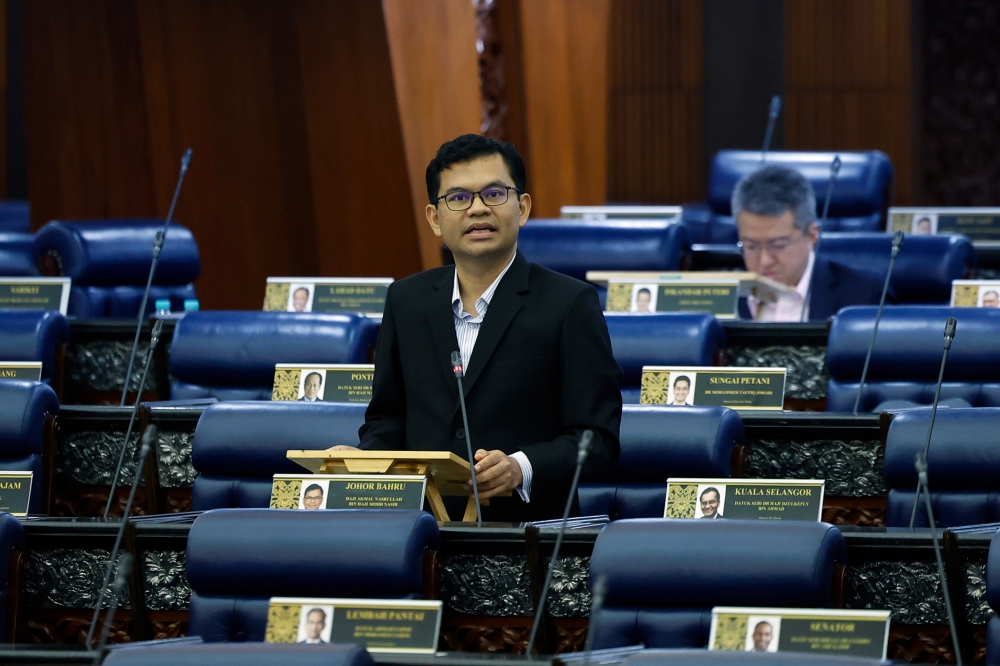
More than 1,400 Malaysians signed the citizen-driven petition, despite the fact that the campaign was confined to the Klang Valley because the petition was paper-based and not in online format. She initially hoped for about 500.
This suggests that many Malaysians do not take lightly truancy among MPs, whom they expect to represent their interests and concerns.
The allowance of RM400 for parliamentary sittings per day doesn’t seem to be an effective incentive among certain truant MPs.
Although 14 MPs had achieved perfect attendance, we don’t expect everyone to attain the same degree throughout a parliamentary session. Some MPs may, for instance, fall sick, have a family emergency or need to carry out official ministerial duty.
But it does make you wonder whether an MP, who has been absent for a long stretch without good reason, understands or cares about the gravity of his or her action.
This is especially so where among the absentees are senior and seasoned politicians who could have shown a good example for the rookies.
As things stand, these veteran lawmakers may have a problem in showing the novice what it takes to be an effective and responsible lawmaker.
It is imperative for the new MPs to appreciate that attending parliamentary sittings is not meant to only warm their seats. Nor should they veer towards trading expletives in the august chamber.
Lawmakers are to create new laws, amend existing ones, debate issues of the day, and hold the government to account, among other things.
That’s why Roshinee’s petition seeks to reduce the permissible time period for absenteeism.
Currently, there’s a big window of six months for absent Malaysian MPs, whereas Singapore, for example, declares a seat vacant if an MP is absent for two months. Generosity has its place, but not this one.
The petition also calls for disciplinary action so that salaries and allowances are deducted for truancy.
Additionally, as intimated above, Parliament should publish “detailed records of MPs’ attendance and participation, distinguishing between mere presence and active involvement in proceedings”.
Roshinee hoped that the petition would be approved by the parliamentary officials before being read out in the parliamentary proceeding this month.
Is this too much to ask of the MPs, particularly the truant, who, incidentally, have handsome pensions waiting for them at the end of their respective careers?
The Parliament is as good and respectable as its “honourable members”.
* This is the personal opinion of the writer or publication and does not necessarily represent the views of Malay Mail.


