

SEPTEMBER 6 — Once formed, volcanoes can be in one of three rough states.
They can be active, which means they are either currently erupting or likely to do so; they can be dormant, which means the possibility of an eruption remains even if there hasn’t been one for a long time; or they can be extinct, which means all volcanic activity has ceased for good.
Using that analogy, at first glance it might appear to the outsider world that the crisis in Ukraine which dominated the headlines for much of last year has become extinct.
It has been a while since the issue was on the international news agenda, so a recap might be useful: early in 2014, a flurry of chaotic fighting and political subterfuge was followed by a south-eastern section of Ukraine – the Crimean peninsula — becoming annexed to Russia following a snap referendum of the local population, which is predominantly of Russian heritage.
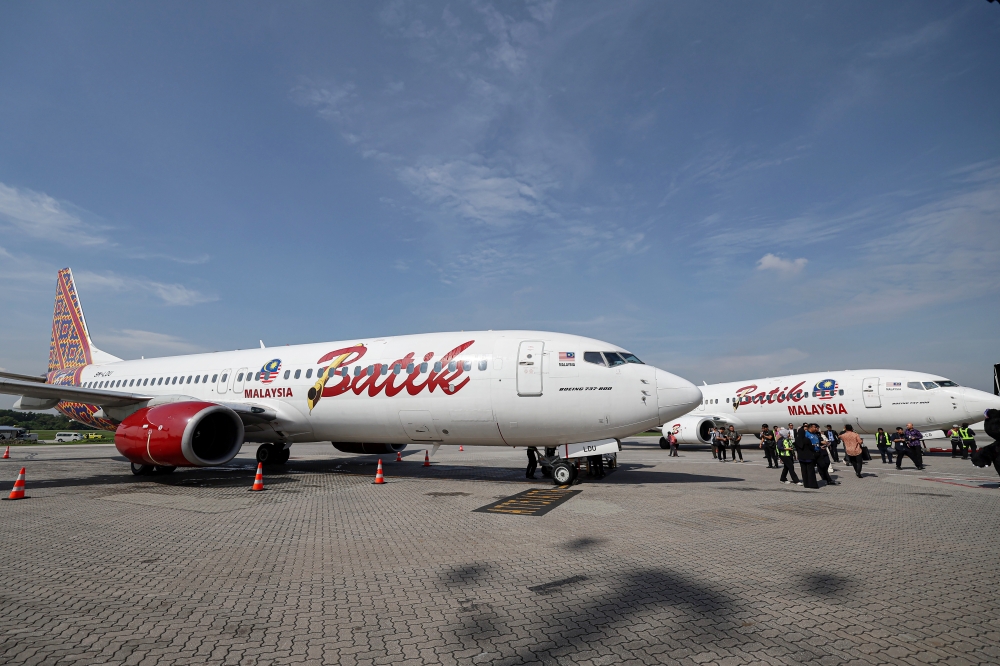
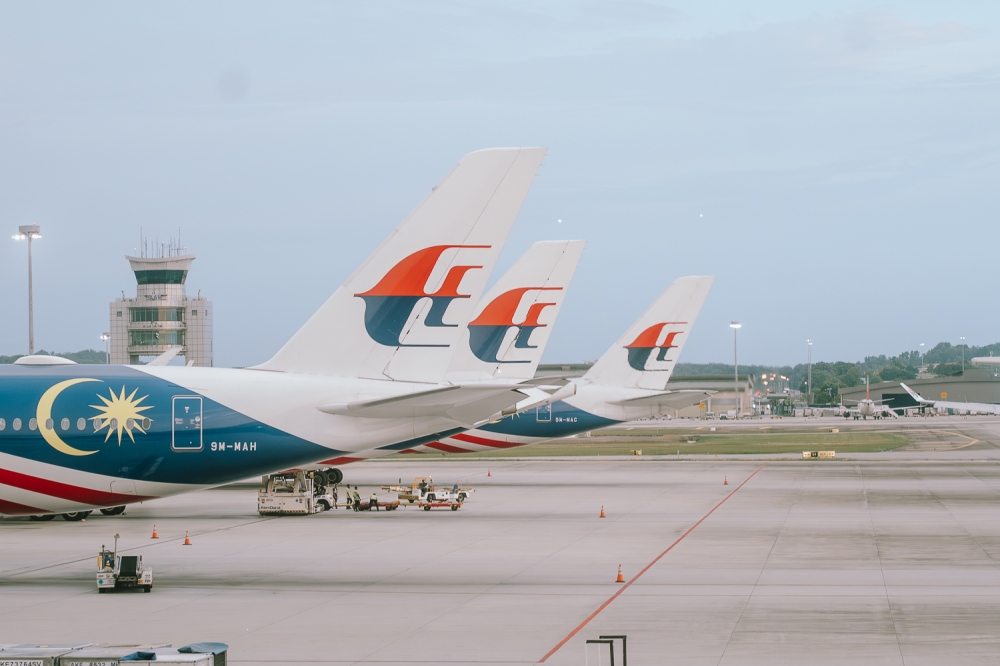
For a while, a large-scale conflict began to look frighteningly possible, with the United States and the European Union enforcing several sanctions against the regime of Russian president Vladimir Putin, as heavy fighting was waged between Ukrainian loyalists and Russian separatists, leading to the tragic downing of Malaysia Airlines flight MH17 from Amsterdam among other atrocities.
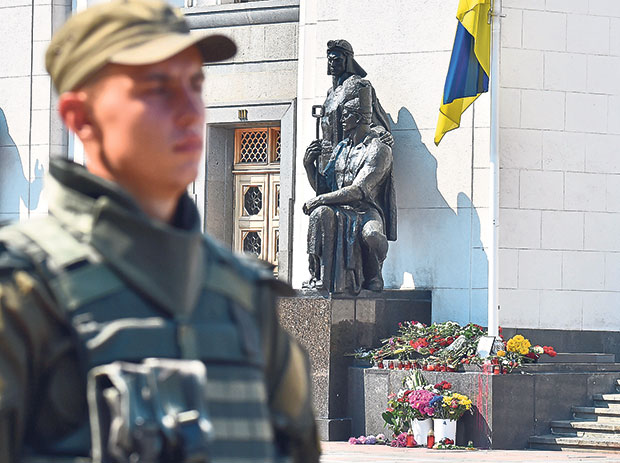
Since then, however, the situation appears to have cooled, and European interest has been deflected by other events — chiefly the ongoing political and economic crisis in Greece and the massive surge of immigrants into the continent — while American foreign policy has been overtaken by President Obama’s attempts to secure a nuclear deal with Iran.
This does not mean, however, that the Ukrainian volcano has become extinct, and Putin’s symbolic recent visit to the Crimea — and the protests that visit provoked from the Ukrainian capital Kiev — showed that it is a dormant situation at best, with the potential to become active once again at any moment.
Minor skirmishes have continued throughout this year and Russian troops are still camped on the Ukrainian border, allowing lingering fears in Ukraine that Putin has long-term plans to expand further westwards, with the Crimean peninsula just the first stage in his annexation of the entirety of Ukraine.
Whether that really is the case is uncertain because Putin is famously secretive, but he certainly can afford to play the “long game”, knowing that his personal position is under no threat and that there is significant support within the general Russian population for “returning” Ukraine to the motherland – as well as generally halting the eastwards advance of NATO and the European Union.
Putin is portraying himself as the man to stand up for Russia and ensure his country halts, and then reverses, the loss of power and influence it has experienced since the collapse of the Soviet Union two and a half decades ago.
Not surprisingly, that policy is popular within Russia, where the Cold War has left a distrust of the capitalist Western world, and American culture and politics are — rightly or wrongly — genuinely regarded as morally corrupt and economically unsustainable by large sections of the population.
Putin, a former KGB officer whose anti-Western stance has hardly softened with time, knows that determination to restore Russian pride is a popular theme among his voters, and he can therefore afford to bide his time.
This isn’t to suggest that all the Ukrainian cards are in Putin’s hands. Russia’s economy is in a dire state, partly due to the sanctions imposed by the EU and the USA, and partly due to falling oil prices which have made a significant dent in the revenue earned by Russia’s biggest export.
As a result, droves of Russia’s most educated, powerful and wealthy families and individuals are deserting the country – London and Paris are among the leading destinations for the Russian expat community, and I have seen many more arrive in my home city of Barcelona, where a sign of the times is the sight of top-end estate agents displaying their most luxurious properties in Russian.
This drain of brainpower and capital, if it continues, could make Putin’s position ever weaker and potentially even leave him with insufficient allies to withstand a serious challenge to his authority if the economic situation throughout the country worsens.
Nevertheless, it would be a major mistake for the rest of the world to underestimate the strength of feeling within Russia, a proud and powerful nation where many people — those who haven’t yet fled — have had enough of being subjugated, as they see it, by the rest of the world.
There are many unpredictable elements to this saga and anyone who claims to know how the situation will unfold is simply lying.
Putin is currently the prime player but even he probably doesn’t know how his long-term strategy will develop, and the will of the Russian people to support their current president is not necessarily endless.
But one thing is certain: the political volcano in Ukraine remains active.
There may be weeks, months or even years of calm ahead but, with turbulent tensions remaining just below the surface, it is only a matter of time until the next major explosion.
* This is the personal opinion of the columnist.