


KUALA LUMPUR, July 30 — Malaysia's micro, small and medium enterprises (MSMEs) are well positioned to tap Asean's 680-million-consumer market under the proposed Digital Economy Framework Agreement (DEFA), supported by their high level of digital adoption, Deputy Investment, Trade and Industry Minister Sim Tze Tzin said.
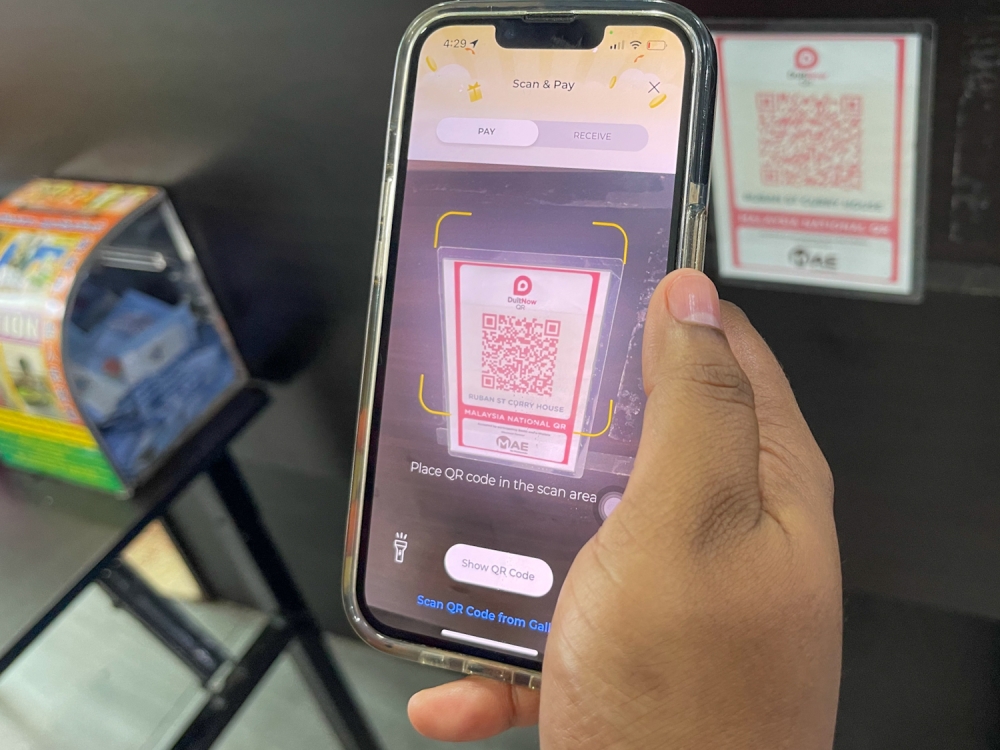
He said local MSMEs had made significant progress in digitalisation, with QR code payments now widely accepted, including by small rural hawkers.
“Wherever you go, even small traders selling fried bananas now accept QR code payments.
“Our MSMEs are highly advanced in digital adoption. I am confident that, with their level of digital literacy, even the smallest village businesses that already use digital payments are ready to enter this 680-million-consumer market,” he said during the question-and-answer session in Dewan Negara today.
He was responding to a supplementary question from Senator Tiew Way Keng on the government's measures to ensure MSMEs are not burdened by the high costs of cross-border digitalisation, including the implementation of e-Invoicing in the regional context.
On e-Invoicing, Sim said Malaysia had made good progress in its rollout as part of the country's efforts to align with global digital standards.
However, he said the government recognised that not all businesses were ready and had therefore introduced threshold-based exemptions, as announced by the Finance Ministry, to give affected businesses more time to comply.
“The government has taken a cautious and MSME-friendly approach so that businesses are more comfortable and are not unduly burdened by compliance costs or administrative requirements related to e-Invoicing,” he said.
Responding to an earlier question from Senator Datuk Ng Keng Heng on whether DEFA would facilitate cross-border trade within Asean, Sim described the agreement, which is expected to be signed by the end of this year, as a “digital highway” that would remove bureaucratic barriers and reduce non-tariff barriers (NTBs) among Asean member states.
He said harmonising digital regulatory frameworks would reduce market fragmentation, creating a more efficient, cost-effective and globally competitive Asean digital economic bloc.
The agreement aims to strengthen Asean's competitiveness and business environment, to generate a regional digital economy worth US$2 trillion by 2030.
On the effectiveness of Asean's NTB monitoring mechanisms in addressing discrimination against Malaysian products and services, Sim said Malaysia would continue to utilise these mechanisms while strengthening NTB disciplines through the upgraded Asean Trade in Goods Agreement.
He said the move would help ensure that any discriminatory treatment of Malaysian products and services could be addressed more effectively.
“Although some of these mechanisms are non-binding, they have improved transparency, encouraged constructive dialogue among Asean member states, and provided faster and more business-friendly channels for resolving trade issues,” he said.
Asean has established several mechanisms to monitor, identify and address NTBs among member states, including the Asean Trade Facilitation Joint Consultative Committee, Coordinating Committee on the Implementation of the Asean Trade in Goods Agreement, Asean Trade Repository (ATR), Asean Solutions for Investments, Services and Trade, Asean Single Window (ASW), Mutual Recognition Arrangements (MRAs), and the Guidelines for the Implementation of Asean Commitments on Non-Tariff Measures on Goods.
Sim said these mechanisms had provided a more structured framework for identifying, monitoring and resolving NTB-related issues affecting regional trade, including those involving Malaysian products and services.
“For example, the ATR has improved transparency by enabling exporters to obtain information on non-tariff measures before entering Asean markets, while the ASW and MRAs have helped reduce delays, compliance costs and technical trade barriers,” he added. — Bernama


