


KUALA LUMPUR, May 30 — After spending years watching Sudoku players race through number grids, Yoshinao Anpuku now hopes more of them will begin looking beyond Sudoku itself.
The president of Tokyo-based Nikoli, the Japanese puzzle publisher widely associated with popularising Sudoku worldwide, said players who explore other forms of logic puzzles may develop stronger problem-solving instincts that eventually improve their Sudoku skills as well.
“If you do many different puzzles, you can understand the problem-solving concept, and you can actually use those skills to be better as you go forward,” he said through interpreter Lee Yee Dian during an interview at Mid Valley Megamall following the 13th Malaysia Sudoku Championship on May 17.
Beyond the number grid
Anpuku, a mathematics graduate from Kyoto University who has visited Malaysia seven times over the past decade, said he was impressed by the “very good puzzle sense” shown by Malaysian players he met during the competition.
Still, Anpuku said he hopes Sudoku players will gradually explore a wider variety of logic puzzles beyond the familiar number grid.
“There are so many other logic puzzles,” he said, mentioning games such as Kakuro, Nurikabe, Shikaku, Fillomino and Akari.
Some require players to divide grids into rectangles based on numbered cells, while others involve building continuous walls, placing “light bulbs” or separating boards into numbered regions.
Nikoli itself has spent decades producing such puzzles. Founded in 1980 as a puzzle magazine publisher, the company has created roughly 500 puzzle concepts over the years, with about 30 to 40 eventually becoming successfully published titles.
Anpuku said Nikoli initially spent its early years adapting puzzles from other sources before gradually developing more original concepts during the 1990s.
“The possibility is there” for new puzzles to continue emerging, he said.
A culture of puzzle obsession
While Sudoku remains the company’s most recognisable creation internationally, Anpuku said Japanese puzzle culture extends far beyond a single game.
He described Japan as having what he called a more “maniac” hobby culture, where enthusiasts often devote themselves intensely to specific interests, whether trains, anime or puzzles.
“People working in the company, normal people, actually go back and spend three hours on something as a passion,” he said.
That intensity, he suggested, partly explains why Sudoku competitions in some countries feel far more exclusive and competitive compared to Malaysia’s comparatively relaxed atmosphere.
“The first impression is that Malaysia’s Sudoku championship is very open,” he said, noting that many international tournaments involve only highly qualified players who pass strict selection processes before competing.
“Here, anyone can come and do it.”
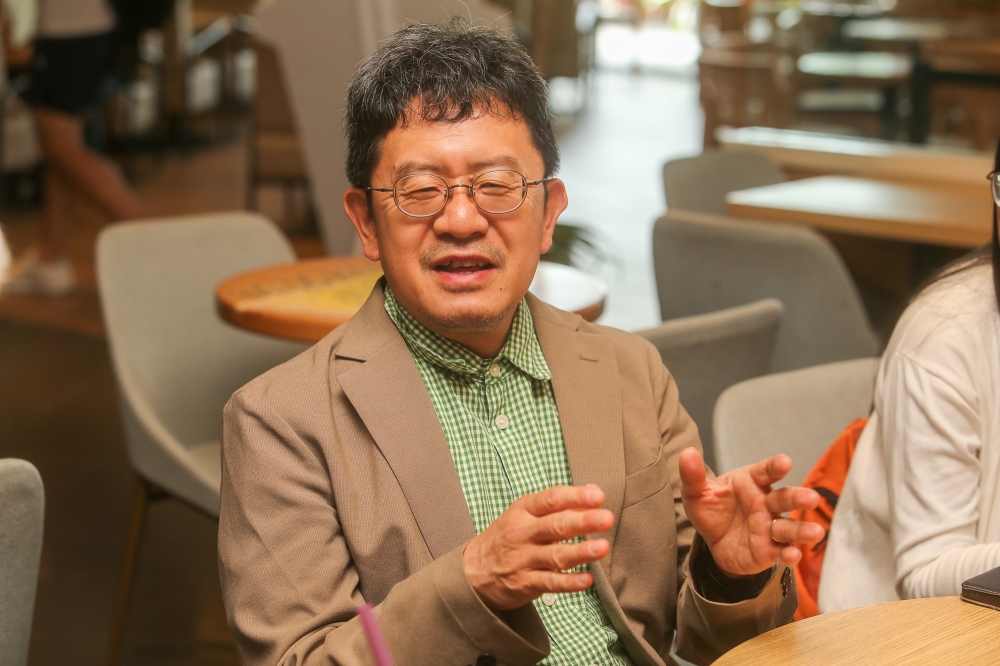
Malaysians are getting ‘faster’
Even so, he said Malaysian players have become noticeably faster over the years.
Anpuku, attending his seventh Malaysian championship, said winning times have steadily shortened, particularly among younger competitors.
At the same time, he observed broader changes outside the competition halls as well.
“The shopping malls are busier. People are walking faster,” he said of his visits over the past decade, adding that Malaysia now feels less different from Japan than when he first arrived around 10 years ago.
Pencil marks versus apps
Beyond competitions, Anpuku also spoke about the changing ways people solve puzzles.
While puzzle books remain central to Nikoli’s business through Japanese bookstores, he acknowledged that digital Sudoku has become increasingly sophisticated and convenient.
On apps, players can receive hints, erase notes instantly and avoid the cluttered pencil markings that often cover physical puzzle books after long solving sessions.
“Some people like to be helped along the way, and a cleaner look,” he said.
Nikoli itself now offers a subscription-based digital platform where users can access its puzzles online.
Still, Anpuku noted that puzzle-solving presents challenges different from ordinary digital reading.
“You have to write, you have to fill in the box,” he said when discussing why ebooks have not fully replaced physical puzzle books despite the popularity of Kindle and digital reading in Japan.
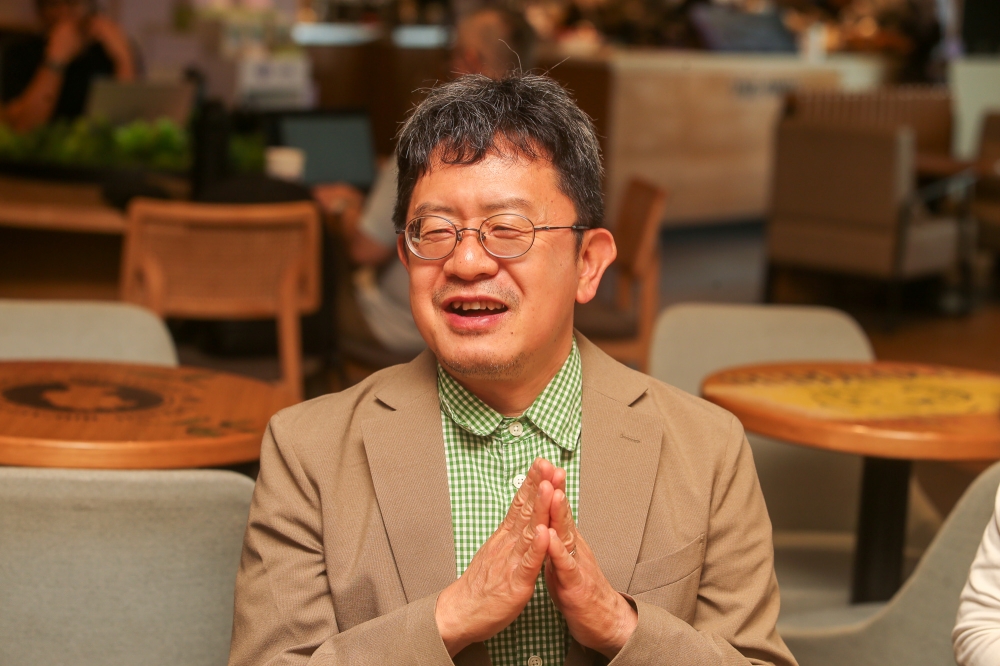
The shrinking gap between human-made and computer-generated
He also addressed the growing role of computer-generated puzzle creation.
According to Anpuku, puzzle-making today is shaped less by artificial intelligence and more by increasingly advanced programming techniques capable of generating large numbers of Sudoku puzzles quickly.
In earlier years, he said experienced players could immediately distinguish between handmade Sudoku puzzles and computer-generated ones because the latter often carried a repetitive “flavour”.
Today, however, the gap has narrowed considerably.
“The difference is becoming harder to see,” he said.
Highly experienced solvers may still recognise subtle differences between human-made and computer-generated puzzles, he added, though casual players are less likely to notice because programming techniques have improved substantially over time.
Nikoli, however, continues positioning itself around human-made puzzles created without automated generation.
“Their customers look forward to their type of content puzzles,” Lee explained during the interview, referring to Nikoli’s reputation among dedicated puzzle enthusiasts.
For Anpuku, that human involvement remains part of the appeal.
“When human beings make original ideas, they put their thoughts into it,” he said.


