


GEORGE TOWN, July 12 — More than a century after the earliest known migrants from Shunde County (Soon Tuck in Cantonese) in China had settled in Penang, a different wave of arrivals crossed the South China Sea.
They were the unmarried self-combed women, known locally as mah che (Cantonese) or majie who came to work as domestic helpers in the 1900s.
(Traditionally a bride’s hair is combed into a bun by the older women in a family but by combing their own hair into a bun, the mah che were declaring their single status and independence.)
Mah che, meaning “mother and elder sister” in Cantonese, was an affectionate term that reflected the maternal and caregiving roles these women played in the households they served.
The mah che vowed lifelong celibacy as self-combed women so they had no husbands, no children or relatives but instead, relied on their mah che “sisterhood” and Soon Tuck Wooi Koon to take part in community activities and maintain ties to the traditions of the homeland they had left behind.
This little-known chapter of the mah che’s history was featured in an exhibition titled “妈姐:妈妈姐姐,姑婆:姑姑婆婆,梳梳平安” (Mah che: mah mah che che, gu po: gu gu poh poh, which loosely translates to ‘may every stroke of the comb bring peace and safety’) in April last year and hosted by Soon Tuck Wooi Koon. Gu po is Cantonese to mean aunts and grandmothers.
The exhibition, curated by Guangdong artist and researcher Chen Jialu, documented the migration and lives of the self-combed women from Shunde county to South-east Asia.
The exhibition also presented historical research that showed many of the mah che also contributed financially towards the establishment and growth of Soon Tuck Wooi Koon itself, highlighting their role not only as caregivers but also as community builders.
Soon Tuck Wooi Koon was formally established in 1838 but according to the association records, the presence of migrants from Shunde can be traced back to 1798.
A surviving tomb dating to 1798, belonging to a Shunde migrant, suggests people from the district had already settled on the island before the association was formally established.
The association initially started operations in rented premises at Church Street in 1838 to serve migrants from Shunde and offer a place for ancestral worship, community gatherings and mutual assistance.
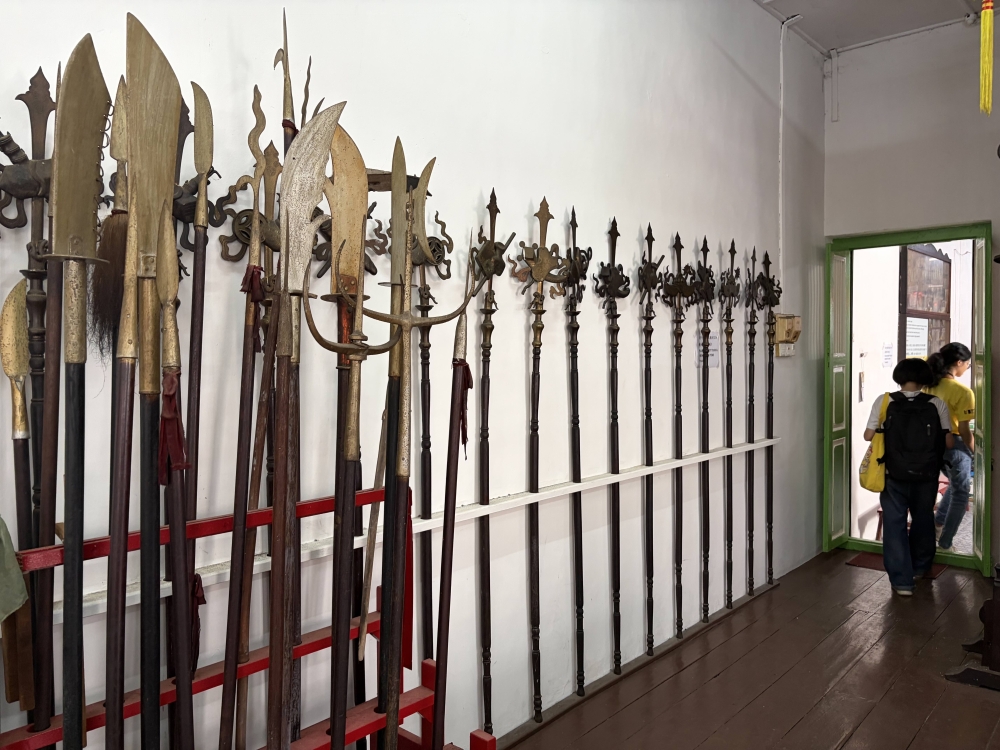
As membership grew, it moved to Bishop Street in 1850 and it was during this period that the association established what would become two of its best-known cultural institutions — its Lion Dance Group and Martial Arts Section.
The association’s role soon expanded beyond that of a conventional district organisation.
In 1919, recognising that many of the mah che and unmarried members had nowhere to recover when they fell ill, the association established a medical convalescence ward within its premises to care for sick members.
When the association relocated to its present headquarters at 51, Love Lane in 1928, the new building also incorporated a health clinic, continuing its welfare mission for its members and also the general public.
While the association became a refuge for the mah che in the early 1900s, it also evolved into one of Penang’s most active centres for Cantonese performing arts.
Following the Japanese Occupation, the association revived its Lion Dance Group and Martial Arts Section in 1946, before establishing its Music and Opera Section and Women’s Section later that same year.
These groups transformed the association into a lively cultural hub where members gathered not only for meetings but also to rehearse Cantonese music, organise opera performances and celebrate traditional festivals.
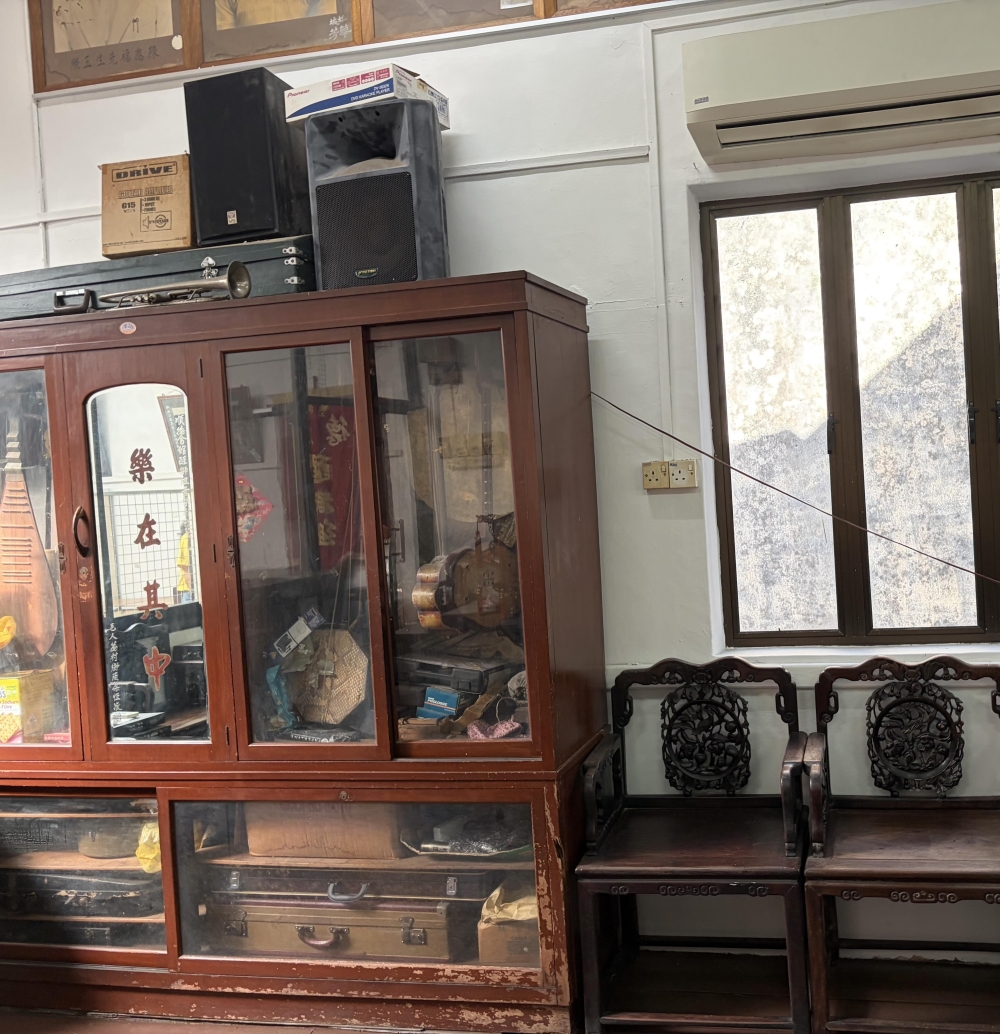
The Music and Opera Section helped preserve Cantonese songs and theatrical traditions brought by migrants from Shunde, while performances organised by the association became an important way of strengthening ties within the community and passing dialect, customs and folklore to younger generations.
The Lion Dance Group and Martial Arts Section likewise became enduring symbols of the association’s cultural identity.
They offered physical training, nurtured discipline and ensured traditional southern Chinese martial arts continued to flourish in Penang.
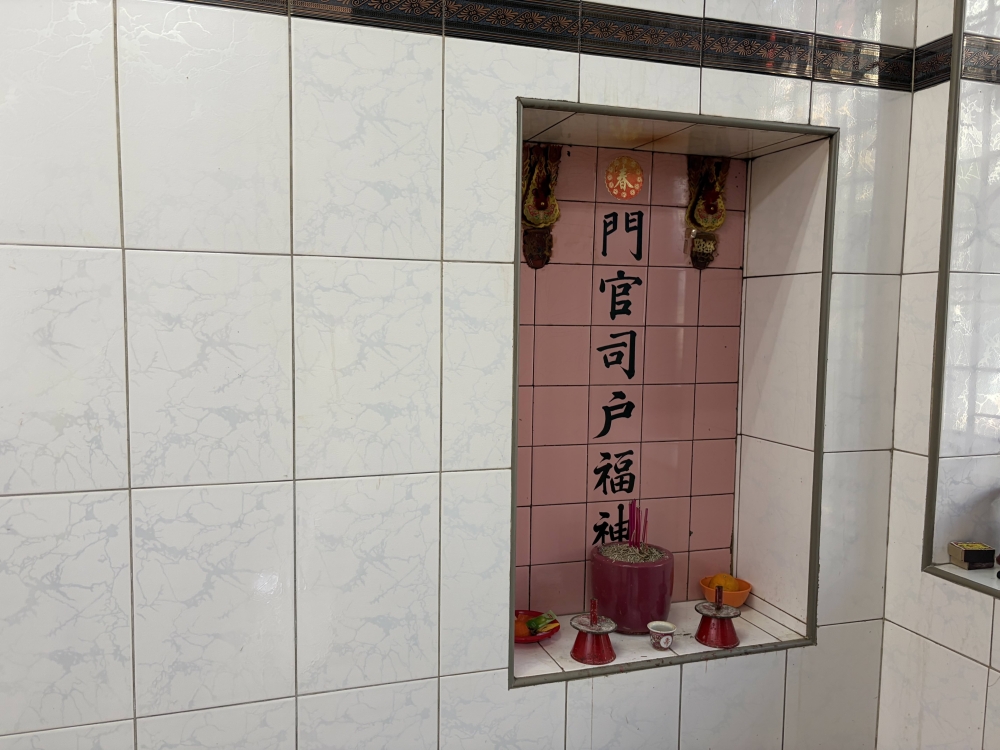
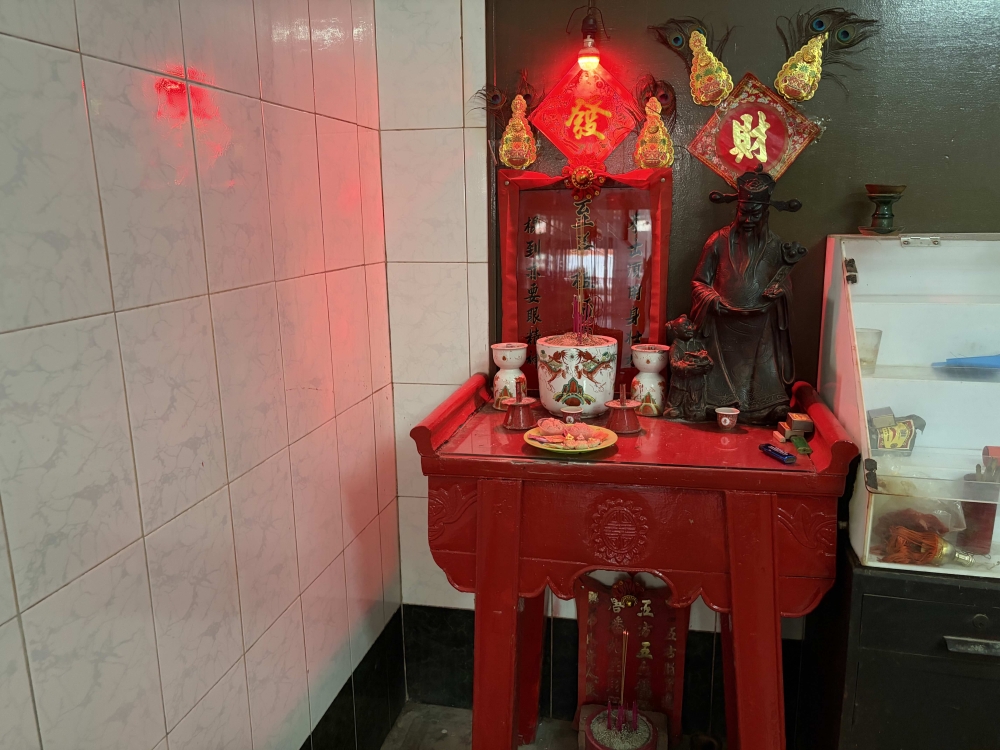
One of the masters in the martial arts section was even elevated as a deity, Zhi Sin Zhou Sin, where members offer prayers to him at an altar in the association.
The association also had a focus on education by introducing scholarships after World War II to encourage members’ children to do well in their education.
The Education Award Committee was established and it continues to recognise outstanding students from families of association members.
Over the years, as membership dwindled to about 300 members, the association’s lion dance group, martial arts section and music and opera section ceased to exist.
What remains of the music section is regular karaoke sessions while the musical instruments remain as relics behind locked cabinets.
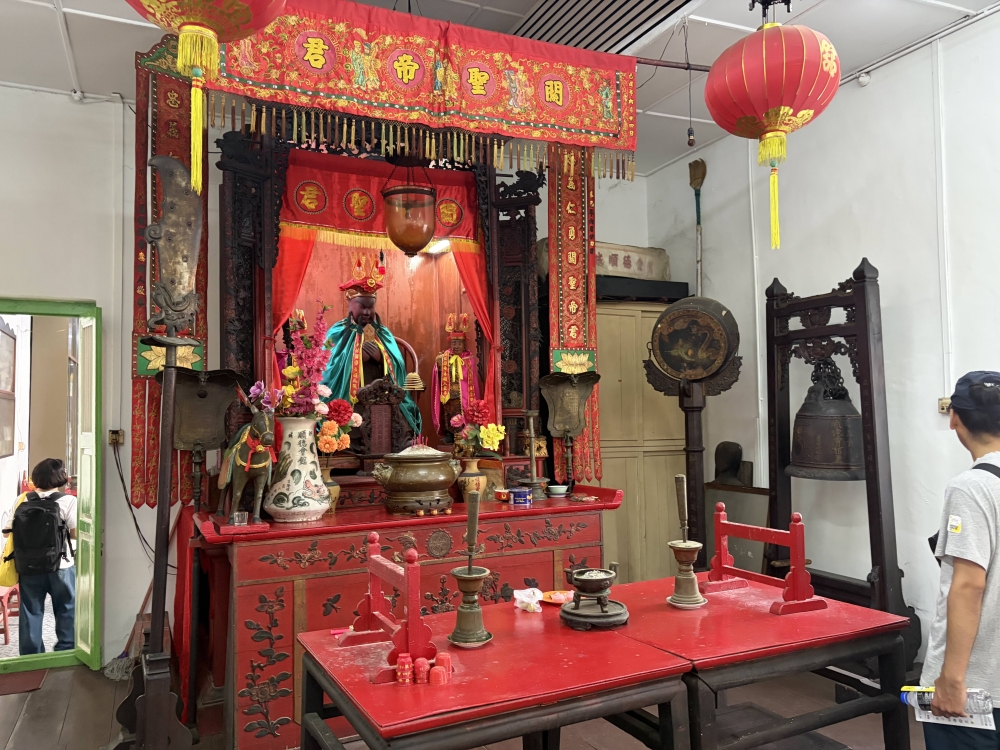
Unlike most associations where the main altar for the main deity of worship is located at the main hall, at Soon Tuck Wooi Koon, the altar to their main deity, Guan Gong, is located in a prayer hall upstairs.
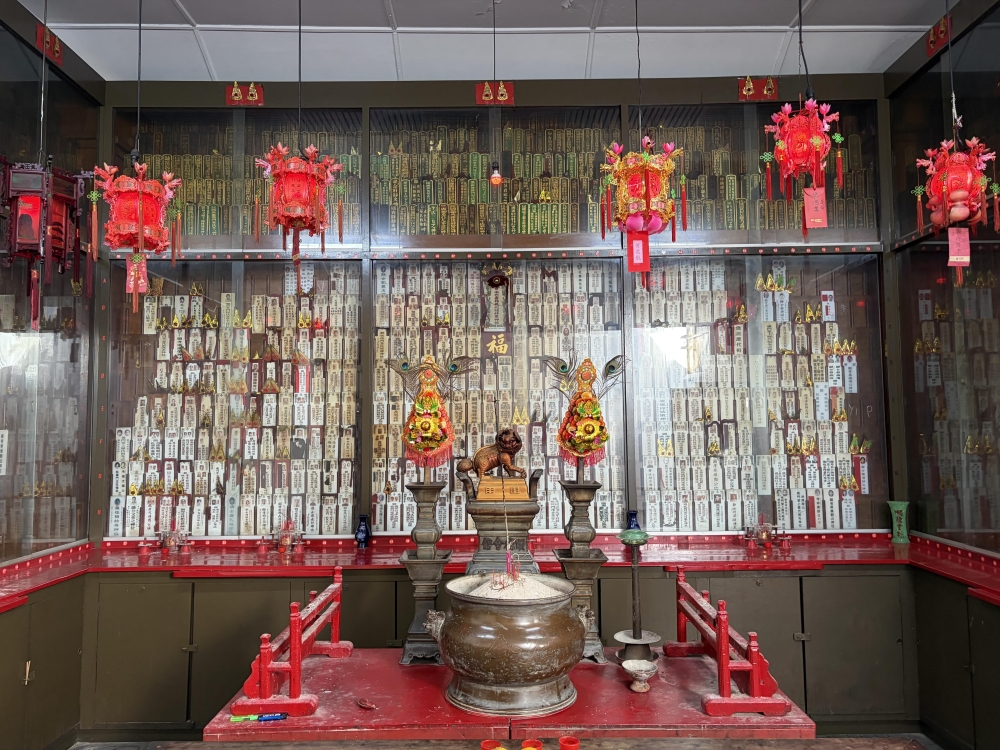
Similarly, the ancestral hall where tablets of deceased members including the mah che, is also located upstairs along with a special opening on the side of the wall for a joss paper furnace where members can burn offerings to their ancestors.
The association has also kept to a Cantonese tradition of lighting up lanterns at the ancestral hall when there is a newborn baby boy in the family of a Soon Tuck member.
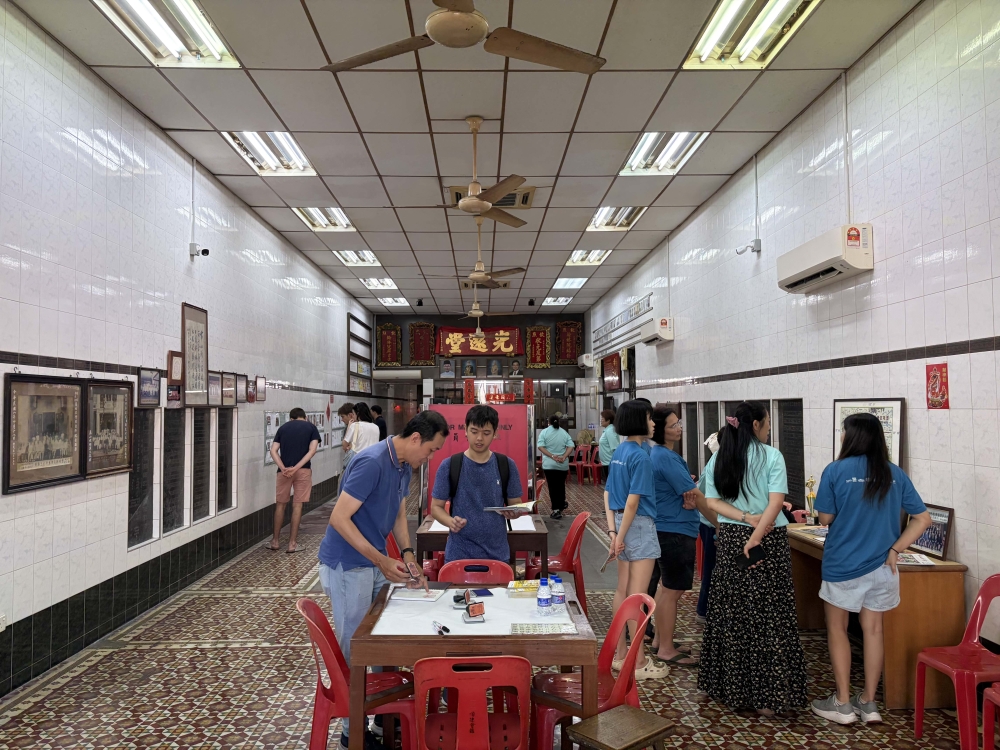
The association, which is normally closed to the public and only open to members, held an open house recently during the George Town Heritage Celebrations.
The history of the association was displayed on information boards while visitors were brought on guided tours of the building.


