


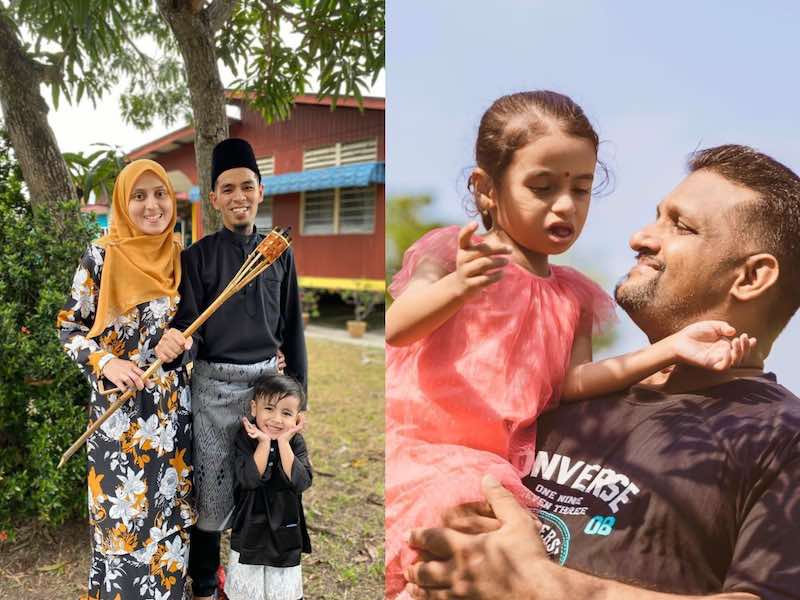


KUALA LUMPUR, Feb 28 — Most people have never heard of rare diseases like Gaucher and Pompe, and why should they?
Rare diseases affect 300 million people worldwide — and while this makes it statistically rare in a global population of 7.8 billion, it is hardly a small number.
Often genetic in nature, they cause debilitating physical or psychosocial impairments or even both, leading to reduced quality of life and life expectancy.
Approximately 30 per cent do not survive past the age of five, which is a bitter pill to swallow for parents.
Through early diagnosis along with appropriate treatment and care however, many patients are now able to lead full lives.
Patients and caregivers from around the world are invited to share their stories of living with a rare disease and thus bring hope and awareness to others this World Rare Disease Day, celebrated every February 28.
With the theme of #ShareYourColours, the global movement aims to shine a spotlight on the ordeals and the difference better support can bring to the lives of patients such as Daniyal, Swathi and many more around the globe.
Living with Rare Disease
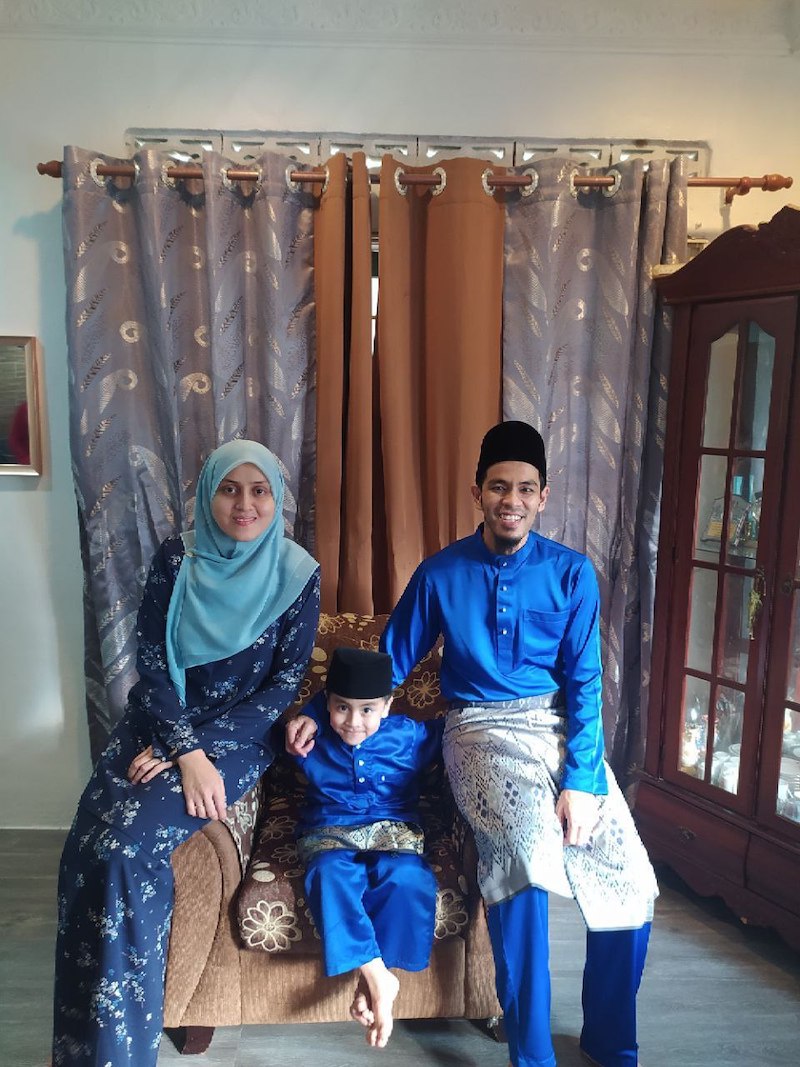
For first-time parents, Tarmizi and Nur Armani, their son Daniyal was diagnosed with Gaucher disease after several months of undergoing tests.
Many doctors had never dealt with a rare disease before, let alone heard of Gaucher disease.
“We were incredibly sad when the doctor told us that our first-born had Gaucher, and what it meant.
“It felt like the world had gone dark, as we had been trying for a child for so long, and we were so thrilled when Daniyal was born,” Nur Armani said.
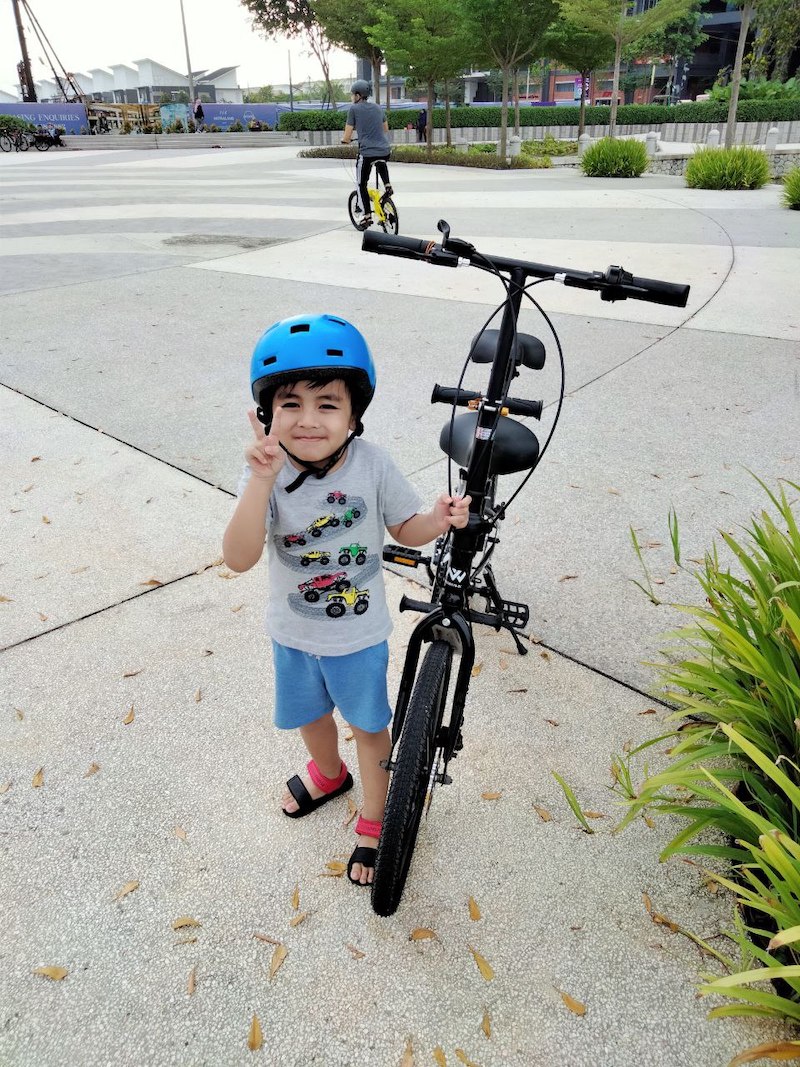
Lacking a critical enzyme which plays a role in flushing toxins from the body, Gaucher is characterised by impaired growth, easy bruising and brittle bones.
“Even though we felt lost at first, we are grateful and relieved that the treatment has helped him — before, he was easily tired but now, he looks healthy and is able to play like any other child his age,” said Tarmizi.
“Our main worry now is keeping up with the cost of Daniyal’s treatment. Without our doctor’s support in recommending us for funding, I don’t know what we would do.”
Now aged six, Daniyal continues to receive treatment every two weeks, which takes up to five hours each time, requiring Tarmizi and Nur Armani to take time off from work.
As an active young boy who enjoys football, his activities are carefully monitored to reduce the risk of falls, which could easily fracture bones or further damage his spleen and liver.
This includes briefing Daniyal’s babysitter and now his teachers thoroughly on his condition and the precautions needed to prevent injury.
“I would urge all parents to seek support and assistance from patient groups like the Malaysia Lysosomal Diseases Association (MLDA).
“Don’t just keep it inside, get all the help and advice that you can get because the families and doctors there understand the challenges and the burden in a way that others won’t, and that support will really help,” Tarmizi said.
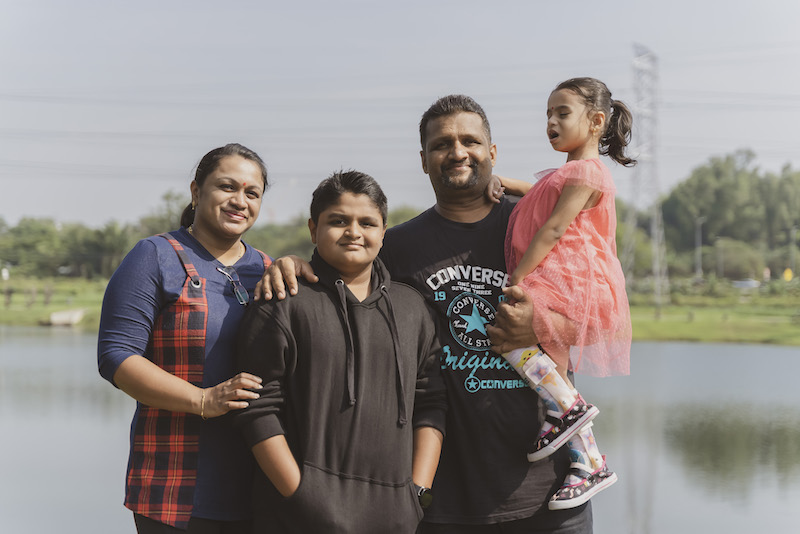
For parents, Sivasangaran Kumaran (Siva) and his wife, their daughter Swathi was diagnosed with Pompe disease, following a chest X-ray that revealed her heart was enlarged and only functioning at 25 per cent.
Pompe patients have deficiency of the enzyme acid alpha glucosidase, causing complex sugars to build up in organs, muscles and other tissues.
For patients like Swathi who have infantile-onset Pompe disease, weakened muscles have led to delayed milestones.
Siva explained that Swathi’s treatment is extensive as in addition to her weekly Enzyme Replacement Therapy (ERT), which takes several hours, she also requires physiotherapy, occupational therapy, aqua therapy, and speech therapy several times a week.
On top of that, she needs quarterly echocardiograms, bi-annual ophthalmology, ENT, neurology and psychology check-ups, and annual magnetic resonance imaging (MRI) scan for her brain.
As Pompe affects each child differently, caring for Swathi has been an ongoing challenge — financially, physically and emotionally.
“Every time we learn how to manage (one set of) symptoms, new ones appear and we have to start over.
“Even though she is receiving treatment now, there is no cure and we do not know how much longer she will respond to therapy and how much longer we can afford treatment.
“As it is, Swathi is receiving less than what she requires, due to difficulties in funding. We would not be able to afford half a million every year, in addition to her therapy and other medications that are needed,” Siva said.
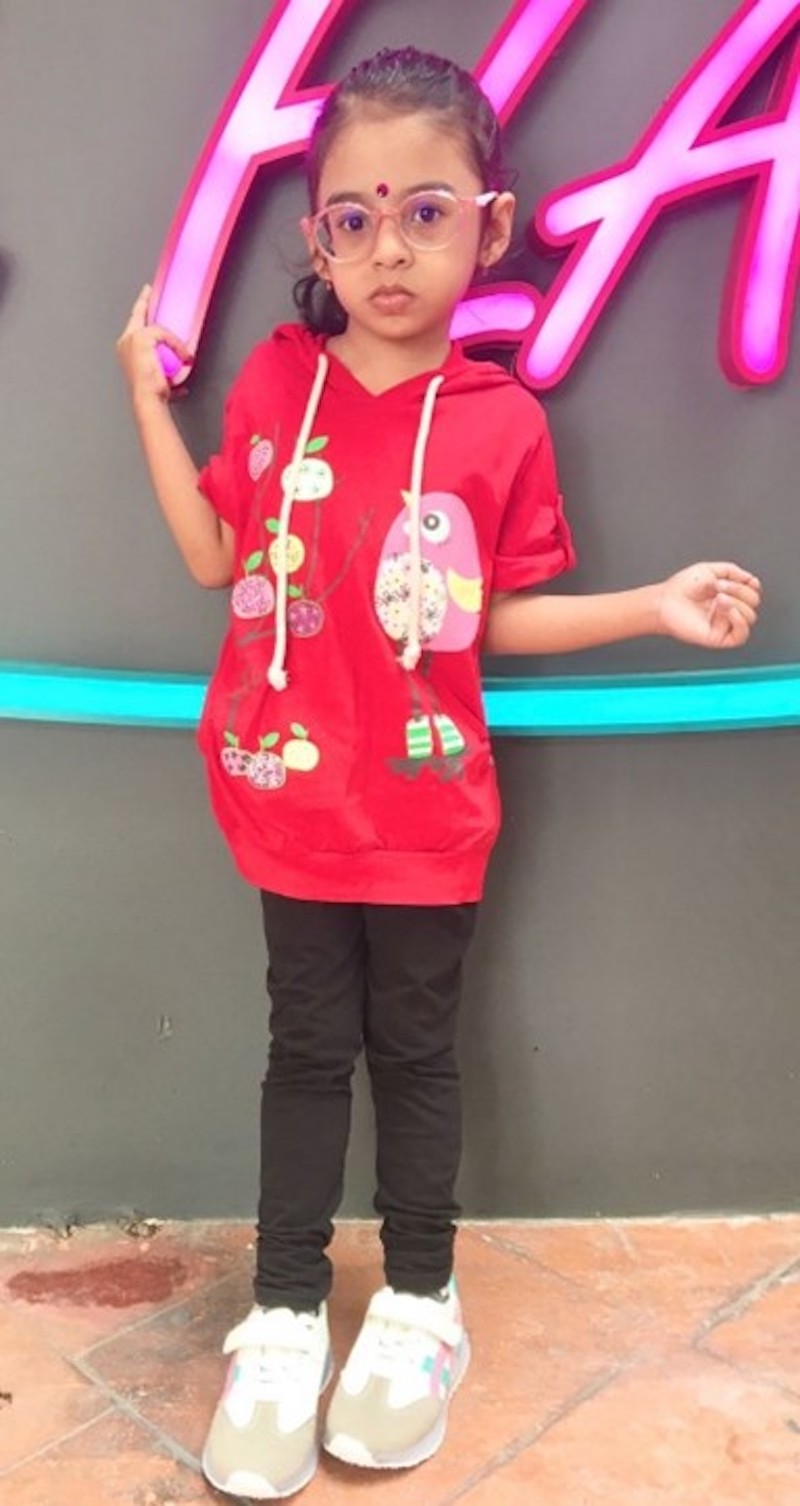
He said because of this, their parenting priorities and mindset have shifted from setting ambitious goals for Swathi, to making sure Swathi gets to live happily and healthily as long as possible.
“As a parent, I share this not only for my own family’s sake but for other families who are facing similar difficulties.
“Most people don’t know about rare diseases and there are few specialists in this area, but it’s important for it to be detected early,” Siva said.
He highlighted the importance of early screenings as they would give families a breathing time to prepare.
“In countries like the US, newborn screening is one of the most successful public health ever undertaken. It plays such a critical role in improving healthcare outcomes and mortality for rare diseases.
“It is crucial to me not to see other families have to wait months, or years for a diagnosis, while watching their child weaken. Newborn screening allows families the time to process and prepare for next steps after the life-changing diagnosis.
“Knowledge is power. Early interventions save lives.”
Despite the challenges, both Daniyal and Swathi’s parents are like any other loving parents who hope to care for their children as best they can.
However, with rare conditions like Gaucher and Pompe requiring specialised, lifelong care, it is a daily struggle fraught with concerns for their child’s future.
Challenges and obstacles
Rare diseases are difficult to diagnose, and the cost of treatment, especially when orphan drugs are needed, is indeed a heavy burden to bear for families, with the stark knowledge that there is no cure.
Orphan drugs are defined as medicine that is not commercially viable to supply, treat, prevent, or diagnose another disease or condition.
According to Hospital Kuala Lumpur’s Clinical Genetics Consultant, Dr Ngu Lock Hock, rare diseases are often underdiagnosed as the symptoms vary widely, even among those diagnosed with the same condition thus making rare diseases clinically challenging.
This is compounded by the scarcity of facilities available for this specialised care, as most rare diseases have a genetic basis, clinical geneticists are the most adept at consulting patients with very rare clinical presentation.
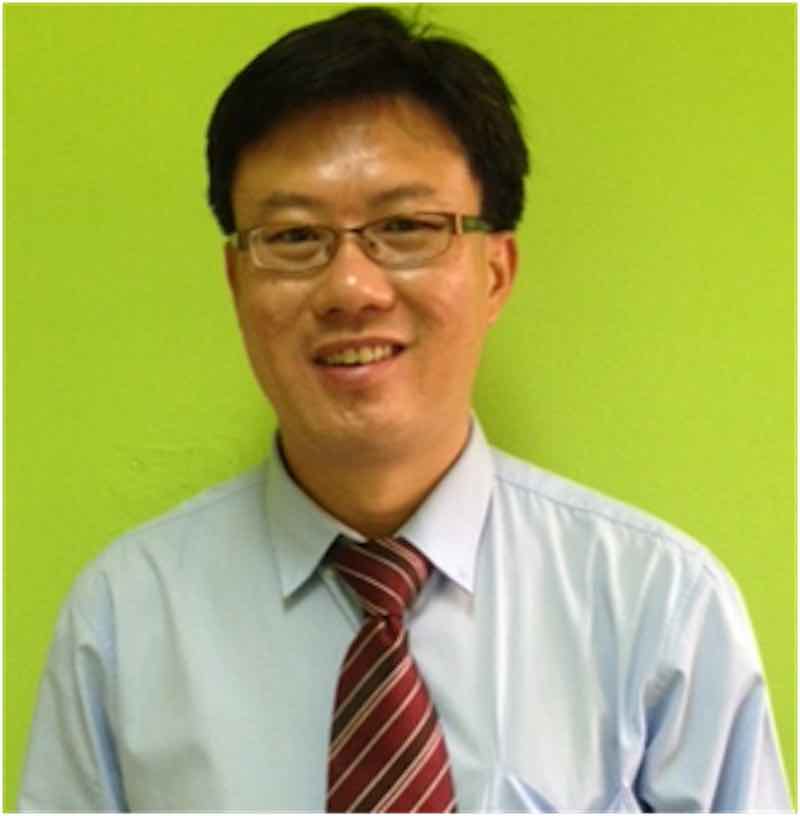
At present, only five hospitals provide treatment for rare genetic diseases, with Hospital Kuala Lumpur as the primary reference hospital, and there are only 15 clinical geneticists in the nation to care for patients with rare genetic diseases.
Malaysia has made some progress in the management of rare diseases — mainly through the efforts of patient advocacy groups such as MLDA and the Malaysian Rare Disorders Society (MRDS), with support from rare disease specialists.
There is still an urgent need for patients and their families to receive better access to treatment, health services, social support, and opportunities.
Build a brighter future for those with rare diseases
To provide better access and quality of care for patients and their families, experts recommend a holistic approach, beginning with earlier detection and treatment by educating frontliners to recognise the symptoms of rare diseases and expanding screening tests for newborns.
At present, the Ministry of Health provides rehabilitation and support for rare disease patients, including pharmacotherapy and non-pharmacological interventions such as dietary and nutritional support, rehabilitation, and counselling.
Due to the high cost of treatment however, funding is limited, and patient advocacy groups help where they can through sponsors and donor contributions.
“The formation of a national registry of rare diseases would play a significant role in ensuring that health experts and authorities have a consolidated resource on rare diseases in Malaysia.
“This would be particularly important to ensure equitable distribution of treatment and other forms of support, so that no one gets left behind.
“In the long term, this would also help to guide policymakers in providing adequate resources for all those affected,” Ngu said.
He also suggested a government-led trust fund model which premised on the principles of sustainability and good governance should be introduced to further improve access to treatments.
Ngu said this is based on lessons learnt from previous efforts to establish a trust fund and lessons from other countries.
“At the end of the day, patients with rare diseases deserve access to treatment and quality care, and they need us — as a caring society and a responsible community of healthcare providers — to champion for greater support and access to treatment,” Ngu said.
In solidarity with patients and families, share this article on social media using #MYRareDiseaseDay, #MyMikuChallenge along with #RideWithHope and to learn and donate towards the MLDA cause, just click here.
MLDA is also organising a charity ride coined as the Ride with Hope — MIKU Challenge which aims to raise awareness on rare diseases and to raise funds for the community.
The registration for the virtual ride category closes on March 1, join the ride today by clicking here.


