


LANGKAWI, July 11 — Tucked away behind some trees, just off Pantai Cenang, is a collection of beautifully-restored heritage buildings.
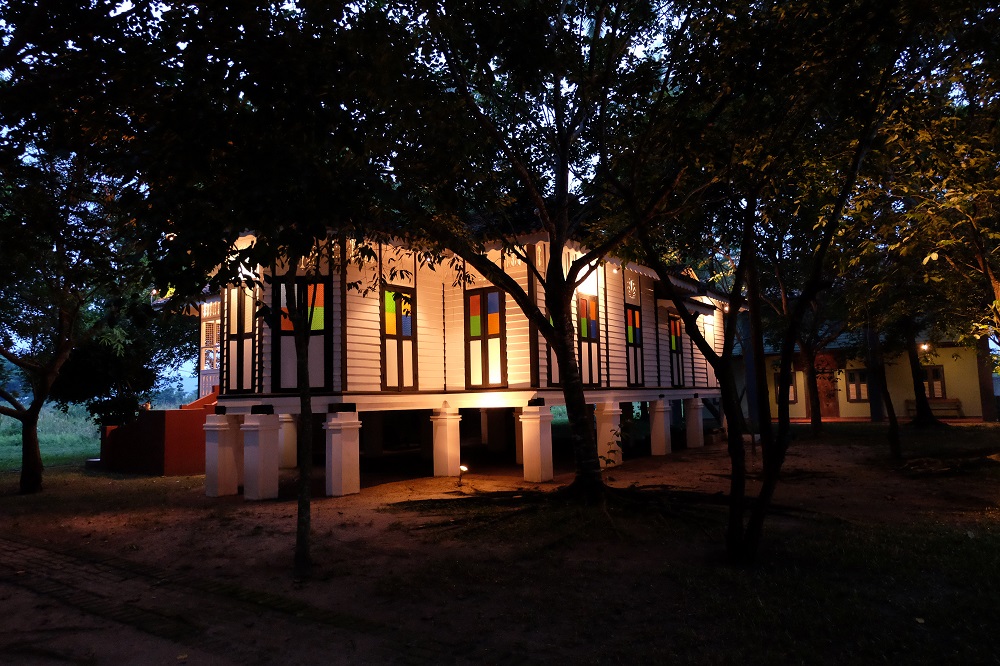
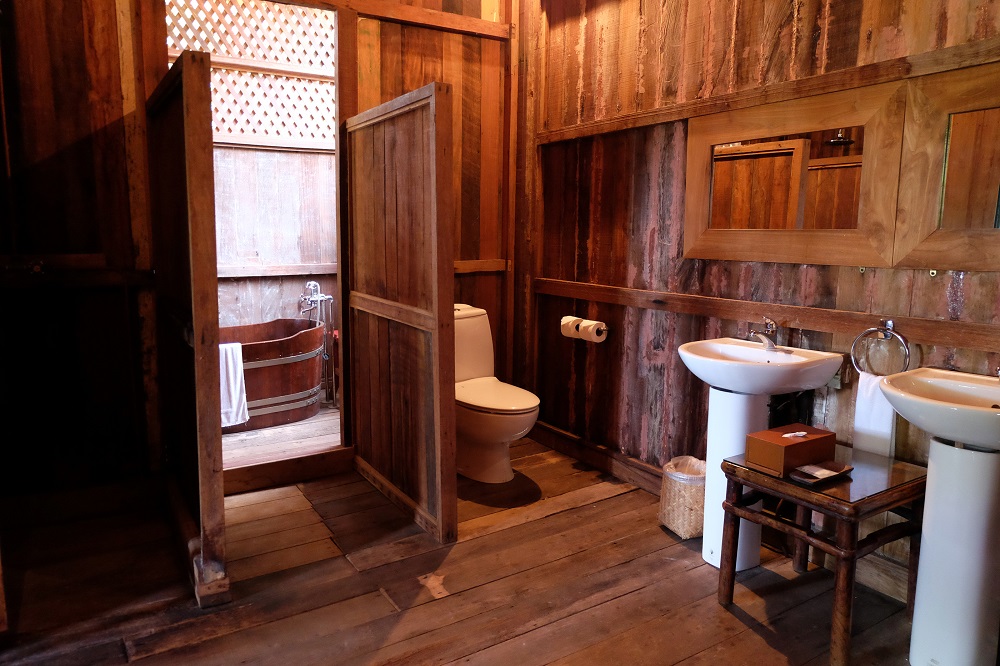
One is a wooden kampung house standing on cemented stilts, the walls painted a pure white and offset by black trims while coloured glass windows complete the whole look.
This house is not an imitation of a kampung house but is in fact an actual Malay house built in the 1920s in Mantin, Negeri Sembilan before it was carefully transported to be part of Temple Tree at Bon Ton here.
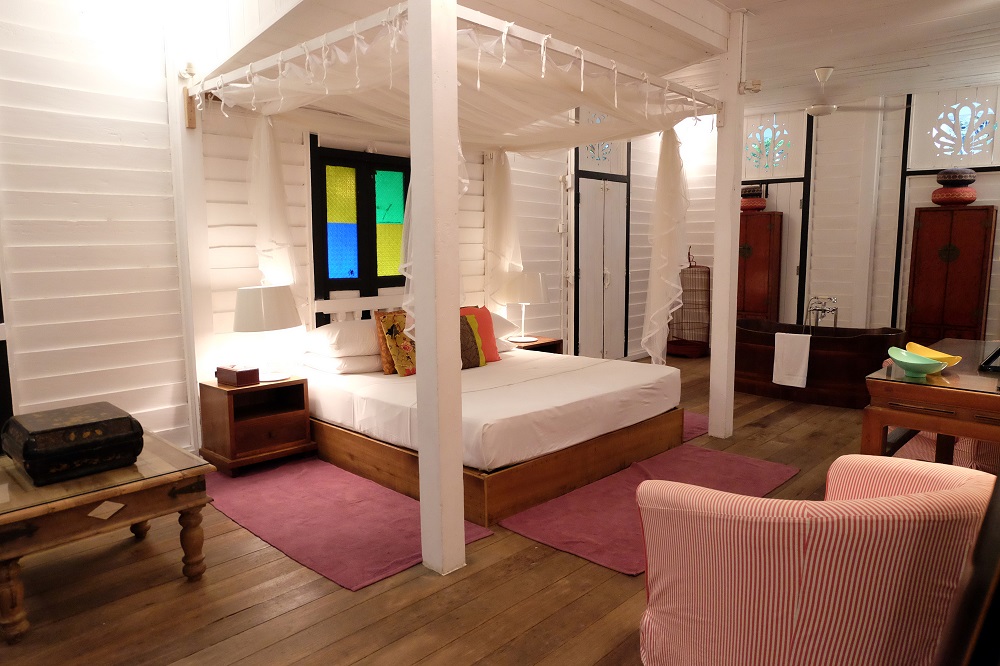
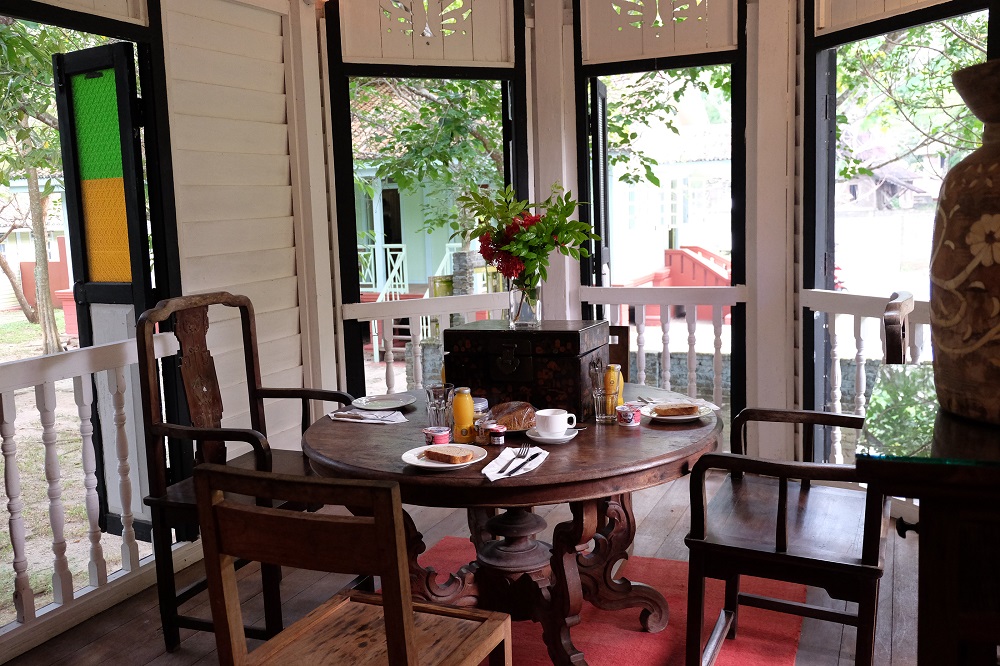
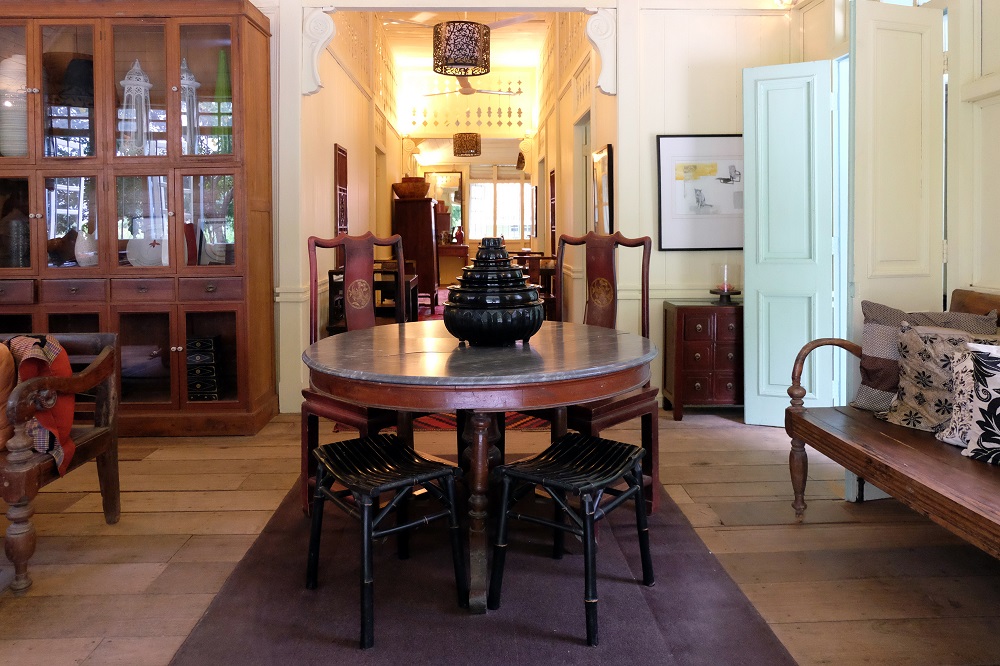
Aptly named “Black and White”, the house is a suite on its own and is suitable for families as it comes with a dining room, a sitting area, a master bedroom with a king-sized bed and a separate bedroom with twin beds.
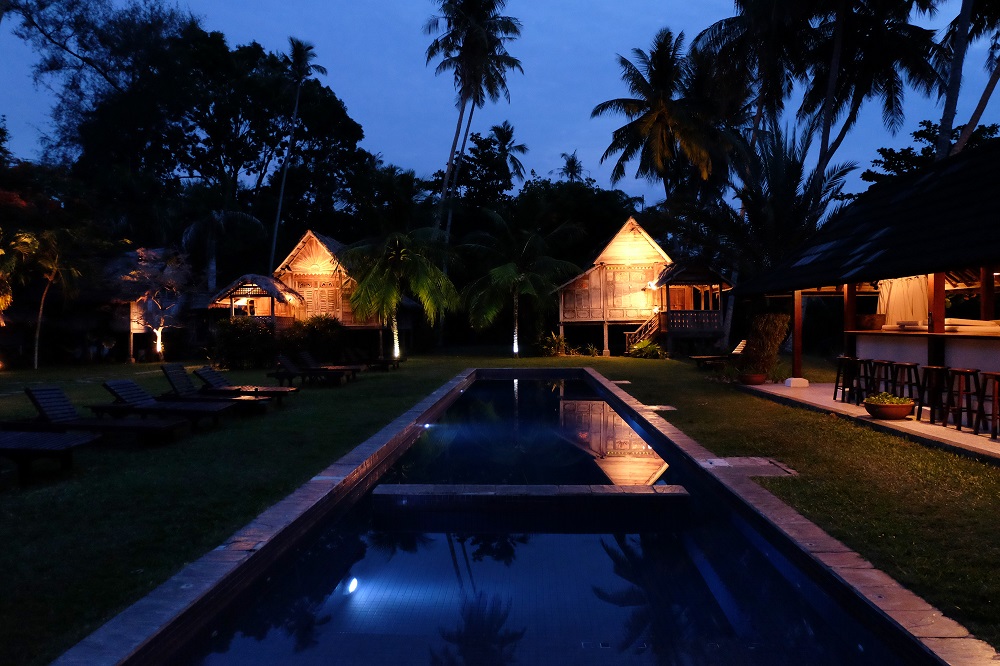
There are eight different types of houses, each between 70 to 100 years old, featuring styles as different as the cultures they each represent.
A colonial building at the entrance to Temple Tree also has a story of its own. The light green building, which is the Straits Club House and Restaurant, was originally named “Bahagia”.
The building with a verandah wrapped around the frontage, was built in the 1920s by a Eurasian family along York Road in Penang.
Bringing these houses to Langkawi, more than 10 years ago was no easy task.
Hotel owner Narelle McMurtrie said these houses were either left vacant or earmarked for demolition before she “rescued” them to be restored and turned into luxurious hotel accommodation.
“We drew the house floor plans first, then photographed it and numbered the parts and joints as they dismantled it before they were transported via barge and slowly reassembled on site to the exact original floor plan,” she said.
It took two years to acquire, dismantle and reassemble the eight houses.
Currently, only seven of the buildings are in use and one — a majestic mansion known as the “Chinese House” — is undergoing refurbishment.
“It is so huge and there is a lot yet to be done so it will take some time to finish the work,” McMurtrie said.
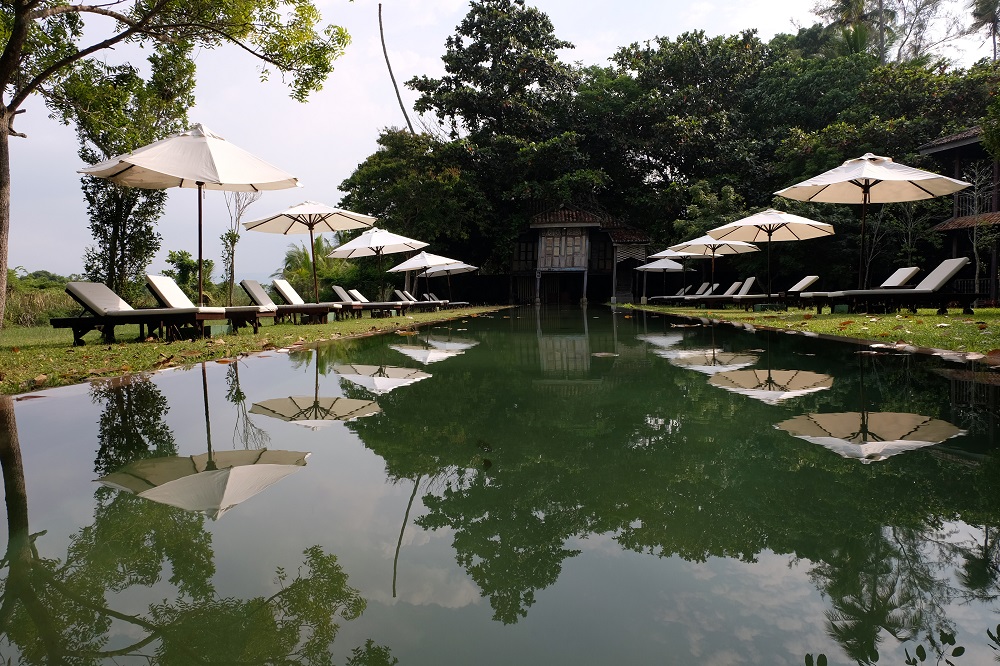
The wooden bungalow, with a verandah wrapped around the frontage on the lower ground and a spacious balcony on the first floor, was built about 100 years ago.
Facing the swimming pool, the mansion was originally a farmhouse in Batu Pahat, Johor and was home to a large Chinese family for many years.
Now it is separated into two suites, one on the ground floor with a master bedroom and a separate bedroom with twin beds and another upstairs with a master bedroom and a mahjong room and library.
Most of the larger mansions in the resort, except for “Black and White”, are split into several suites with separate entrances to ensure privacy of the guests.
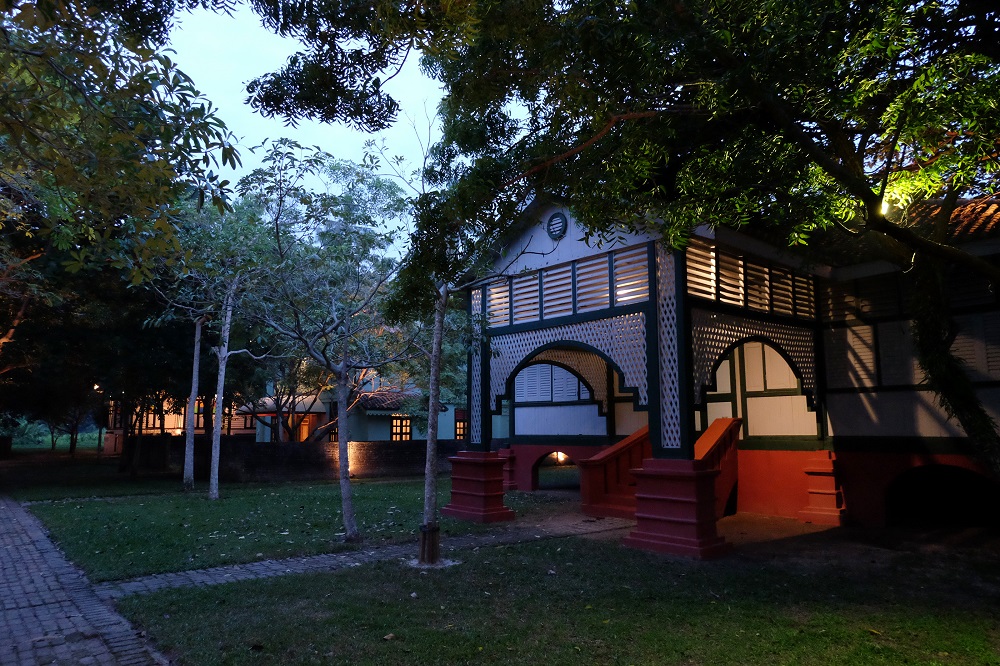
Another colonial building, also transported from Penang, stands next to “Black and White”.
The mansion, with a unique fish-scale design porch and a darling little balcony above the porch, was built in the 1920s by a goldsmith trader.
Originally from George Town, the building, simply named “Colonial House”, boasts colourful heritage floor tiles and Grecian columns with spacious rooms.
It has a living space with bar, a dining table for 10, lounge spaces and four separate suites.
The building next to it is “Penang House”, a mansion that originated from Gurney Drive, Penang.
Originally built in the 1930s, it has a protruding porch with a front and back entrance.
It is separated into two suites, one in the front and another in the back.
Temple Tree is located right next to Bon Ton resort so guests have a choice of dining at the Straits Club House or at Nam Restaurant in Bon Ton, which is just a five minute walk away.
As the resort is surrounded by greenery, mosquitoes and insects including spiders, are common so each suite comes with insect repellents and every evening, the housekeeping staff will close the windows, put up the mosquito nets around the beds and turn on the electrical mosquito repellent in each room.
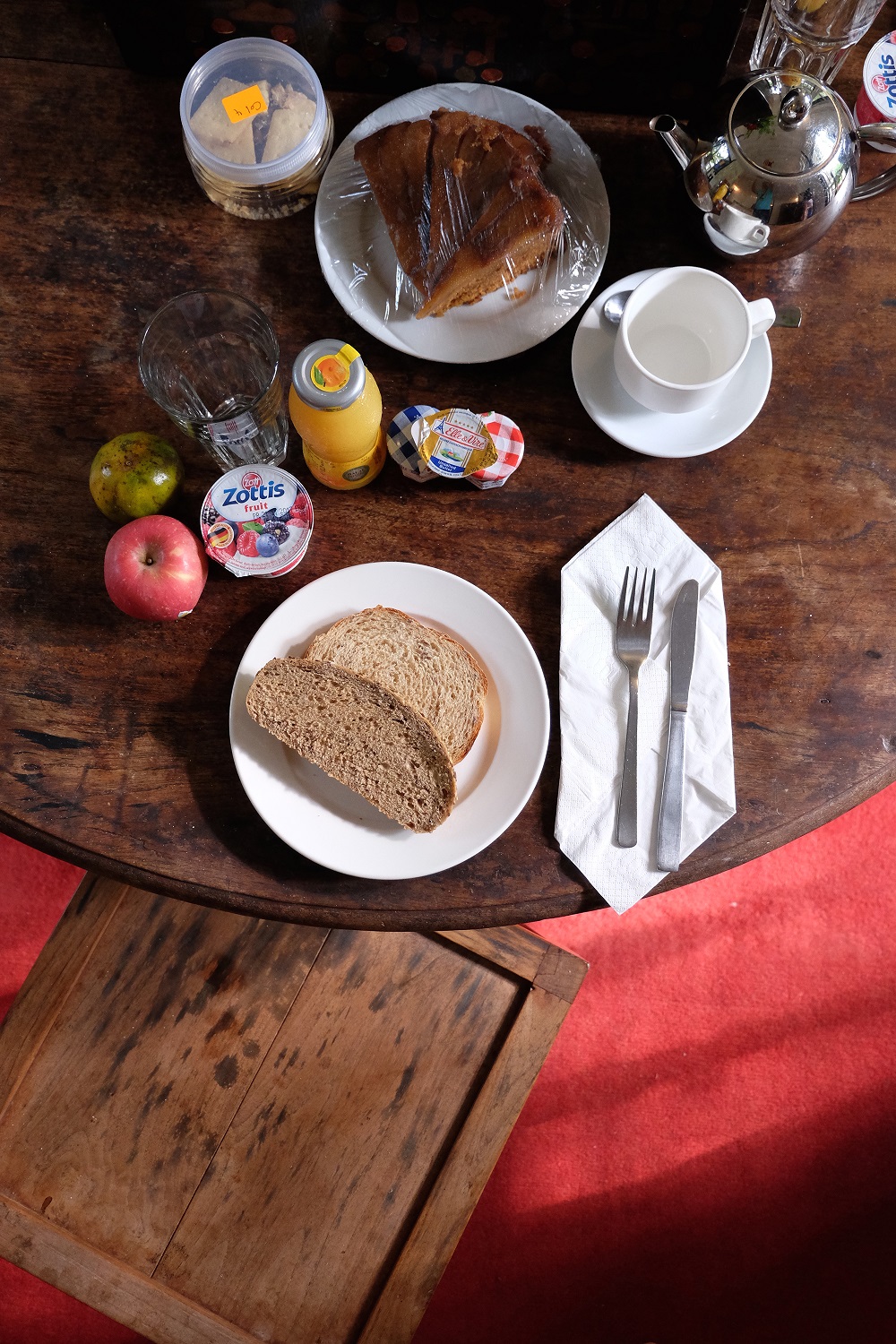
Breakfast, consisting of cakes, bread, yogurt, fruits and juices, are brought to the rooms the evening before and kept in the room’s mini fridges so guests can sleep in and take their breakfast anytime in the comfort of their rooms.
Temple Tree was conceptualised to fund McMurtrie’s passion, the Langkawi Animal Shelter and Sanctuary Foundation (LASSie).
Her love for animals is obvious as rescued cats can be found all over the resort, lounging by the pool, on the verandahs and doorsteps of the houses.
The cats roam freely around the property and are so tame that some even jump onto your lap to snuggle up to you.
All proceeds from Temple Tree goes to LASSie which is a shelter for both cats and dogs that were mostly rescued from all around the island.
Guests who love animals can also volunteer to help out at the shelter, either to clean the cages, feed the cats or walk the dogs.
Find out more about the resort at templetree.com.my.


