















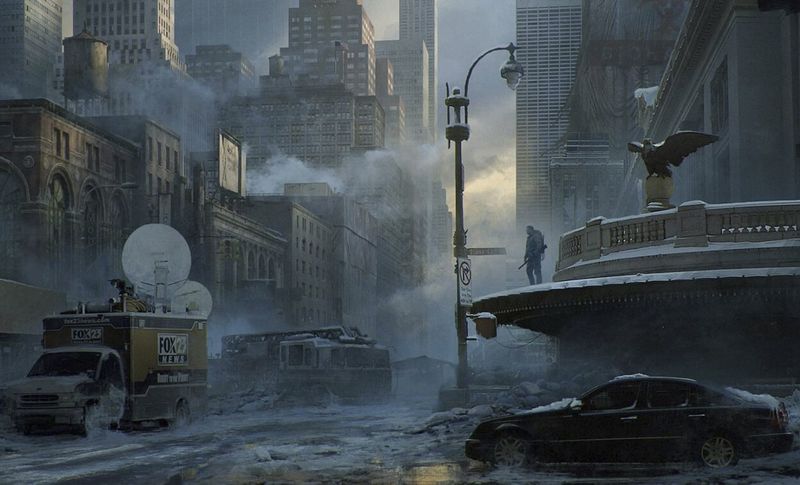
SAN FRANCISCO, Oct 22 — Ambitious new action game “One Life” is making waves because of the way it does exactly what it says on the tin — well, almost exactly.
Video games are all about the extra lives.
There's always an opportunity to start over, either in the same level, or from the beginning of the game. Always, but not always.
Russian-developed shooter “One Life” deviates from the norm with a more nerve-wracking proposal.
On the surface, it looks like a “Call of Duty”-style shooter with survival elements from “DayZ.” But die in this game and you can never play it again.
One week after its launch on October 15, the game's Greenlight campaign saw “One Life” voted the most-wanted game awaiting admission to PC gaming platform Steam.
There's a cunning twist that enables “One Life” to retain its base of eager players. Defeat isn't necessarily the end — what happens next is left up to the survivors.
They might prefer to let their conquered foes live, game studio Kefir suggests: “Forgive, humiliate, finish off, take everything he has — it's your choice,” while players can rescue and resuscitate downed friends.
Strange as it may seem, “One Life” joins a small community of games that have leveraged the concept of one-time play.
Among them is “Chain World,” a 2011 USB stick experiment built on top of “Minecraft.”
With only a single copy existing in the world, “Chain World” was intended to be passed on from one player to the next.
New players would stumble upon uncompleted tunnels, monuments, and mysterious ruins left by predecessors, left to wonder about their origins.
Circulation of “Chain World” faltered early on, or at least became shrouded in secrecy, but a subreddit was set up to keep the concept alive.
Two years earlier, Mac game “Lose/Lose” had taken the one-play concept in a more daring direction.
Created by digital artist Zach Gage, “Lose/Lose” was a basic, retro-style shoot 'em up, in which players would pilot a spaceship through a field of aliens.
The twist was that each alien represented a random file found on the computer: If an alien touches the spaceship, the game ends and deletes itself; if the player shoots an alien, the file it represents is destroyed.
Many major anti-virus agencies and web browsers now automatically block Gage's homepage on the grounds that it contains harmful programs or malicious software. Gage, ever upfront about the game's demands, preferred to call it “dangerous software” instead. — AFP-Relaxnews