




BANGKOK, June 20 — The Obama administration downgraded Thailand and Malaysia to the lowest possible rating in an annual report on combating modern slavery while lifting China and Sudan from that status to a “watch list.”
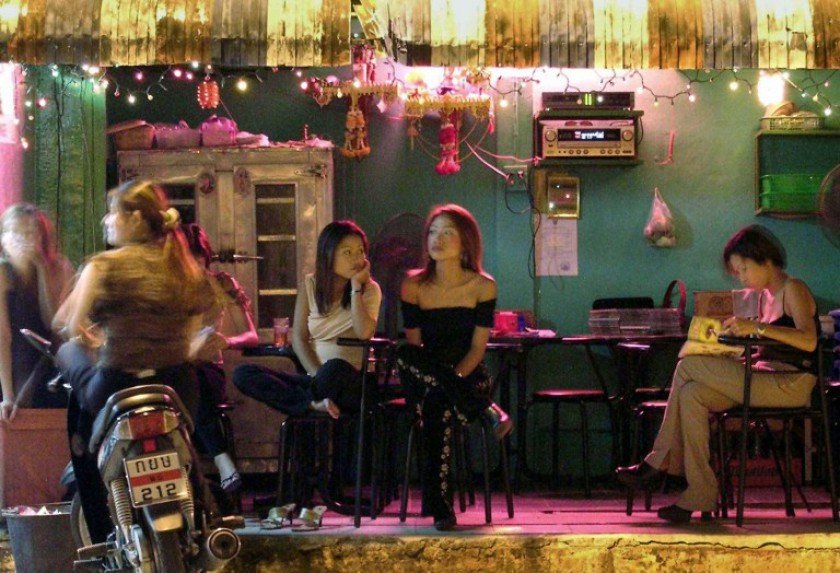
Men, women, and children in Thailand, most from neighbouring countries, are “forced, coerced, or defrauded” into labour in fishing-related industries, garment production, factories and brothels, according to the US State Department report released today.
More than 20 million people worldwide are trapped in some form of slavery, including women confined in brothels or as domestic workers, boys forced to sell themselves on the street and men compelled to work on fishing boats, the US said.
The report serves as “a road map” to “confront the scourge of trafficking,” Secretary of State John Kerry wrote in the introduction.
China and Sudan are among eight countries elevated from the lowest of the three-tier ranking, while at least four countries, including Thailand and Malaysia, were demoted to the lowest rung. According to the State Department, countries on the lowest tier may be subject to certain sanctions, including the withholding or withdrawal of non-humanitarian, non-trade-related foreign assistance.
The US had given Thailand a waiver from a downgrade for the last two years while it worked on improvements. This year, it found Thailand didn’t meet the minimum standards for the elimination of human trafficking.
‘Few efforts’
“The government demonstrated few efforts to address these trafficking crimes,” the State Department said in the report. “It systematically failed to investigate, prosecute, and convict ship owners and captains for extracting forced labour from migrant workers, or officials who may be complicit in these crimes.”
Thailand, which has been wracked by political upheaval and a military coup, improved its anti-trafficking data collection and convicted 225 traffickers, according to the report. Those efforts were described as “insufficient” given the size of the problem and the involvement of corrupt Thai civilian and military officials facilitating trafficking for sex and for labour on fishing vessels.
“The government did not hold ship owners, captains, or complicit government officials criminally accountable for labour trafficking in the commercial fishing industry,” the US said.
Songsak Saicheua, director-general of the Department of American and South Pacific Affairs at the Thai Ministry of Foreign Affairs, said at a June 16 news conference that the country is working to combat trafficking.
Forced labour
“This is our national priority, our national goal and national agenda,” he said. Thailand will “go ahead with even more intensified efforts to combat human trafficking, to get rid or significantly reduce the use of forced labour and so on.”
China is also a major source, destination, and transit country for people subjected to forced labour or sex work, the US report said.
China showed improvement by eliminating a decades-old programme called “reform through labour,” which required detainees to work for as many as four years making bricks, building roads, or toiling in factories or mines, according to the report.
In Sudan, where children were recruited as soldiers and forced into prostitution, the country didn’t meet minimum standards for eliminating trafficking, according to the report. Even so, the country is “making significant efforts to do so,” it said.
— Bloomberg


