


JANUARY 6 — Remember when butter was public enemy number one and margarine reigned supreme? For decades, the nutritional orthodoxy preached a simple gospel: saturated fats were the highway to heart disease, while polyunsaturated fats — primarily from industrially processed seed oils like soybean, corn, canola, and sunflower — were the path to salvation. Grocery aisles groaned under “low-fat,” “heart-healthy” labels featuring these very oils. Now, a nutritional counter-revolution is in full swing across the US, turning this dogma on its head. Seed oils are suddenly the bad guys, blamed for inflammation, chronic disease, and metabolic mayhem. What happened?
The shift isn’t happening in a vacuum. It’s the culmination of several powerful forces. The original case against saturated fats is facing intense scrutiny. Even palm oil was badly bruised then. Critics argue it was oversimplified, potentially cherry-picked data, and didn’t adequately account for confounding factors like sugar intake or overall processing. The demonisation of saturated fats is increasingly seen as premature, if not outright flawed. Seed oils are incredibly rich in omega-6 fatty acids (linoleic acid). While essential in moderation, the modern Western diet delivers them in unprecedented quantities. The problem lies in the ratio. Humans evolved with a roughly balanced intake of omega-6 to omega-3 fats. Today, that ratio can be 20:1 or worse. High omega-6 intake is strongly linked to systemic inflammation — a root cause of heart disease, diabetes, obesity, and autoimmune conditions. The “heart healthy” oils might be fueling the fire they were supposed to extinguish.
Extracting oil from tiny seeds like soybeans or corn isn’t a gentle, cold-press affair. It’s an industrial onslaught: high heat, chemical solvents (like hexane), bleaching, and deodorising. Critics argue this process creates harmful byproducts, damages the fragile polyunsaturated fats (creating oxidised lipids), and strips away any natural antioxidants. We’re not eating the oil found in the whole seed; we’re eating a highly refined industrial product. Remember when partially hydrogenated seed oils (trans fats) were the “healthy” alternative to saturated fats? Until they were definitively linked to heart disease and banned. This massive policy U-turn eroded public trust in nutritional guidelines and the institutions promoting seed oils, leaving a lingering suspicion.
The “seed oils are toxic” narrative has found fertile ground online. Wellness influencers relentlessly dissect the science and share alarming anecdotes. TikTok and Instagram are flooded with NoSeedOils content, demonising restaurant fryers and packaged snacks. This virality has propelled the issue from niche health circles to mainstream dinner table conversations. The impact on the multi-billion-dollar seed oil industry is already being felt and will only intensify. The biggest immediate threat is loss of consumer trust. Shoppers are actively scrutinising labels, avoiding products listing soybean, corn, canola, and sunflower. “Seed oil free” is becoming a powerful marketing claim. Brands heavily reliant on these oils face reputational damage and declining sales.
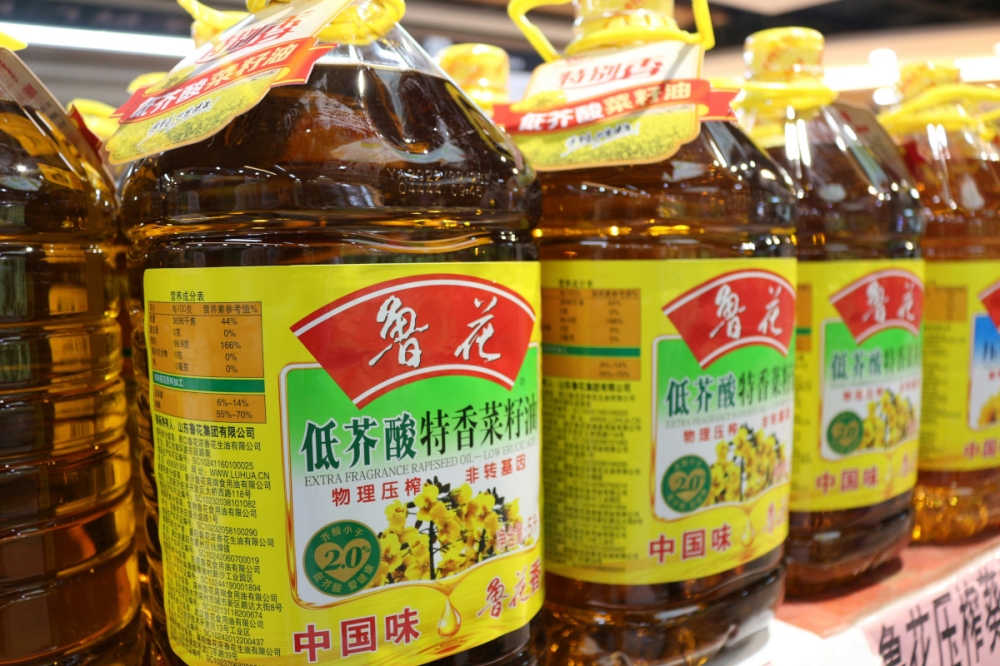
Smaller, agile brands are capitalising. One led the charge with avocado oil-based mayo and dressings. Others are promoting olive oil, avocado oil, coconut oil, as premium, health-conscious alternatives. Grocery sections dedicated to these alternatives are expanding rapidly. Fast-food and casual dining chains, notorious for their seed-oil laden fryers and griddles, are facing pressure. Some high-profile chefs and chains are proudly advertising switches to avocado oil. While large-scale change is logistically complex and expensive for big chains, the trend is undeniable. Consumer demand will force adaptation. Major food manufacturers face a daunting challenge: reformulate or die. Expect to see a wave of reformulated products, often accompanied by price hikes.
Farmers may shift crops over time. The soy and corn lobbies, long entrenched and powerful, will fight back hard with marketing campaigns and lobbying efforts touting the safety and sustainability of their oils. At one time, they launched ruthless against palm oil. Now, they are tasting their own medicine. The golden age of unquestioned seed oil dominance is over. The industry faces an existential evolution. The seed oil furore is more than just another dietary fad. It’s a potent symptom of a deeper shift. The industry built on the back of the “saturated fat is bad” era now finds itself scrambling to adapt to a world where the pendulum has swung hard in the other direction. The companies that listen, adapt, and prioritise genuine health over cheap functionality will weather the storm. Those that cling to the outdated playbook may find themselves, like yesterday’s margarine tub, left forgotten in the dusty corners of the dietary landscape. The deep fryers of America may never be the same. Palm oil is now seen as the better candidate for good health, no trans-fat and rich in powerful antioxidants. More important, no deployment of harmful solvent in the extraction.
*The author is affiliated with the Tan Sri Omar Centre for STI Policy Studies at UCSI University and is an Adjunct Professor at the Ungku Aziz Centre for Development Studies, Universiti Malaya. He can be reached at [email protected].
**This is the personal opinion of the writer or publication and does not necessarily represent the views of Malay Mail.


