


KUALA LUMPUR, July 10 — Recent crocodile attacks have drawn public attention to wildlife encounters in Malaysia, prompting questions about what people should do and who they should call when they come across a wild animal.
Crocodile encounters are just one of many wildlife incidents reported across the country though.
Government data show that reports of human-wildlife conflict involve a range of species, including long-tailed macaques, elephants, wild boars, Malayan tigers and tapirs, highlighting that wildlife encounters are not uncommon in Malaysia.
So, if you come across a wild animal, what should you do? Who should you call? And what happens after authorities arrive?
Based on advice from the relevant authorities, here is what you should know about responding to a wildlife encounter.
First, keep your distance
Whether it is a crocodile by a riverbank, a python in your garden, a tapir crossing the road or an elephant near a plantation, the first rule is simple — keep your distance.
Do not approach, feed, provoke or attempt to capture the animal yourself.
Wild animals can react unpredictably when frightened or injured, even if they appear calm.
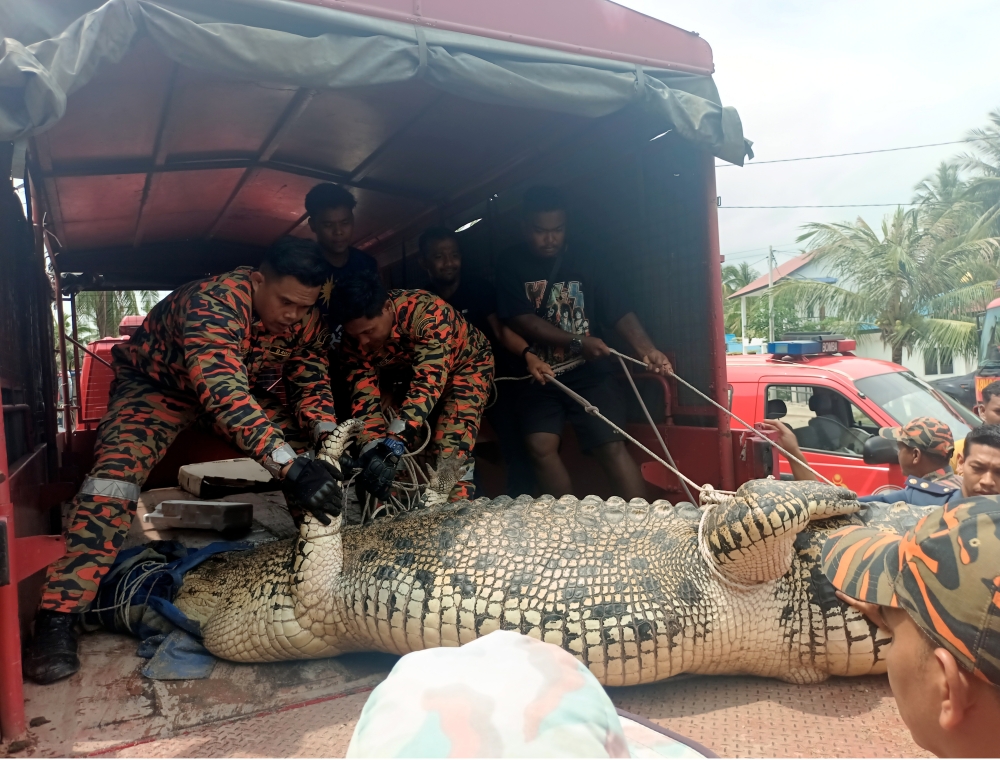
What not to do
Your first instinct may be to chase the animal away, try to rescue it or gather others to help.
Wildlife authorities advise against doing so.
Instead:
- Do not approach, corner or attempt to catch the animal.
- Do not feed wildlife.
- Do not attempt to move injured wildlife.
If it is safe to do so, take photographs or videos from a safe distance and note the exact location.
Report the sighting to the relevant wildlife authority as soon as possible.
Who should you call?
The authority responsible depends on where you are in Malaysia.
Peninsular Malaysia
In peninsular Malaysia, wildlife encounters are handled by the Department of Wildlife and National Parks Peninsular Malaysia (Perhilitan), the federal agency responsible for protecting, managing and conserving wildlife and national parks in the peninsula.
Perhilitan’s jurisdiction does not extend to Sabah and Sarawak.
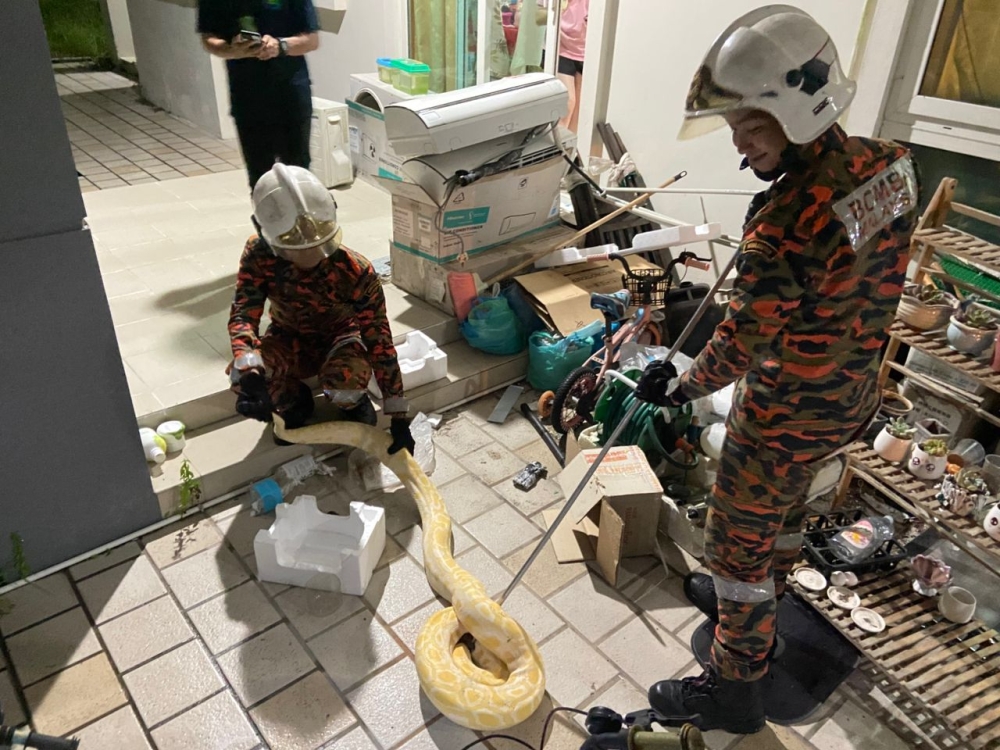
The department responds to reports involving protected wildlife and human-wildlife conflict where intervention is necessary.
Its responsibilities include assessing wildlife sightings, rescuing injured or trapped animals, providing veterinary care, rehabilitating wildlife and releasing suitable animals back into their natural habitats.
Depending on the circumstances, officers may also relocate animals that pose a risk to public safety.
Perhilitan’s Wildlife Hotline is 1-800-88-5151, while reports can also be made through its state offices.
Sabah
In Sabah, wildlife encounters are handled by the Sabah Wildlife Department, which oversees wildlife conservation and responds to human-wildlife conflict under the state’s wildlife laws.
The department operates a 24-hour hotline at 088-254767 for wildlife-related incidents.
Sarawak
In Sarawak, wildlife management falls under the Sarawak Forestry Corporation (SFC), which oversees protected wildlife, national parks and nature reserves.
The public can report wildlife incidents through SFC’s toll-free line 1800-88-2526 or its regional 24-hour wildlife hotlines: 019-8859996 (Kuching), 019-8883561 (Sibu), 019-8332737 (Bintulu) and 019-8290994 (Miri).
Why do firefighters respond to wildlife encounters?
The public often sees Fire and Rescue Department personnel (widely known by the Malay abbreviation Bomba) respond to incidents involving snakes, crocodiles and other wild animals.
However, the relevant wildlife authority remains the lead agency responsible for wildlife management, while the Fire and Rescue Department is among the agencies that may be deployed through Malaysia’s 999 emergency response system.
If a wildlife incident poses an immediate threat to public safety or involves injuries, emergency responders may be dispatched while the relevant wildlife authority is notified where necessary.
Decisions on whether an animal should be monitored, treated, rehabilitated, relocated or released are made by the relevant wildlife authority as part of its wildlife management responsibilities.
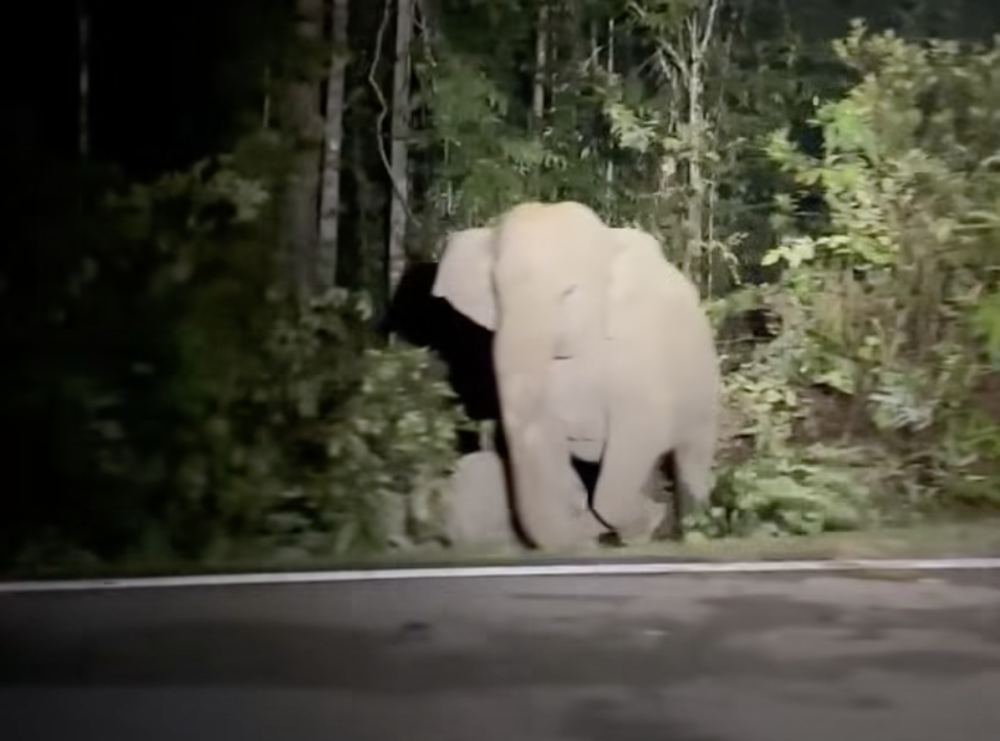
When should you call 999?
Call 999 if the situation poses an immediate danger to people.
This includes when:
- someone has been attacked or injured by wildlife;
- an animal poses an immediate threat to public safety;
- urgent assistance is needed to protect lives.
If there is no immediate threat to life, reporting the sighting directly to the relevant wildlife authority is generally the most appropriate course of action.
What happens after authorities respond?
According to the wildlife department, not every wildlife sighting requires an animal to be captured.
Instead, wildlife officers assess each case to determine whether intervention is necessary.
Animals that are healthy, remain in their natural habitat and do not pose a threat to public safety may be left undisturbed and monitored where appropriate.
However, if an animal is injured, trapped, has strayed into an unsuitable location or poses a risk to people, officers may capture it for further assessment.
Depending on the animal’s condition and the circumstances, it may receive veterinary treatment, undergo rehabilitation or be relocated to a more suitable habitat.
Animals that recover may later be released back into the wild, while those that cannot survive independently may remain under long-term managed care or conservation programmes.
What information should you provide?
Authorities can respond more effectively if reports include:
- the exact location or GPS coordinates;
- the type of animal, if known;
- whether it appears injured, trapped or behaving aggressively;
- whether the animal is still at the location; and
- whether anyone is in immediate danger.
Do not panic
While recent crocodile attacks have understandably raised public concern, crocodiles are just one of many wildlife species encountered in Malaysia.
Among the wildlife most commonly involved in human-wildlife conflict are long-tailed macaques, elephants, wild boars, tapirs and, more rarely, Malayan tigers.
Regardless of the species, the safest response remains the same: keep your distance, avoid unnecessary interaction and report the sighting to the relevant wildlife authority.
Call 999 only if there is an immediate threat to life or public safety.


