




KUALA LUMPUR, July 17 — The request for additional funds beyond that approved under Budget 2013 shows how Putrajaya’s purchasing practices fail to make the most out of taxpayers’ ringgit, PKR’s Rafizi Ramli said yesterday.
Pinpointing direct negotiation methods and privatisation projects through the Private Finance Initiative (PFI) as the culprits, the PKR strategy director said the continued use of the two were to blame for the country’s rising expenditure.
“The main reason why the Budget exceeds the allocation is that the procurement method used by the government does not get the best value for the people,” Rafizi said in Parliament yesterday when debating a Supplementary Budget Bill.
The Pandan MP said that direct negotiations for projects resulted in the government paying more without the price being subject to the market forces, adding that the public could also end up with unsatisfactory goods or services then this method was employed.
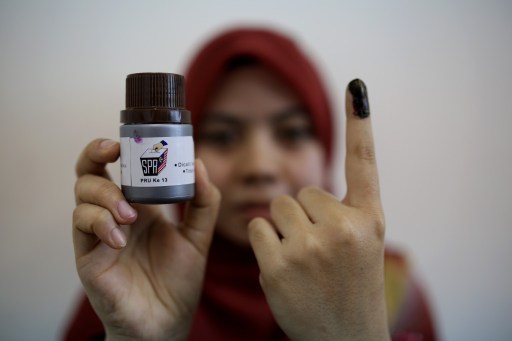
He highlighted the procurement of indelible ink for Election 2013 in May as an example, claiming that the supplier had close ties with the Election Commission (EC) and had skipped the open tender process.
He questioned the use of the second procurement method in the construction of six campuses for Universiti Teknologi MARA (UiTM), alleging that the costs will eventually be quadruple what it would have been under the open tender method.
“If according to PFI, the agreement to build the Tapah branch, UiTM has to pay annual rent of RM57 million for a concession period of 23 years,” he said, calculating that it would involve taxpayers’ funds of RM8.3 billion for six campuses.
He contrasted it with the open tender method, estimating that the bill for six campuses would only come up to RM2.4 billion, basing it on what he said was the government’s figure of RM400 million for the construction of a single campus.
“As long as our country’s procurement method is not improved, as long as direct negotiations continue, as long as PFI projects and private projects are not carried out transparently and corrected, this House will continue to be a rubber stamp to approve budget that has already been used,” Rafizi said.


