


KUALA LUMPUR, June 1 — Local handicraft products maker Goods for Good, in its endeavour to seek business profits, also takes pains to give back to the community by employing disabled persons, single mothers and senior citizens.
By killing two birds with one stone, the company, in addition to undertaking its own projects, ensures that projects carried out by small and medium enterprises comply with environmental, social, and governance (ESG) principles, in line with Malaysia’s aspiration to become more environmentally friendly.
Goods for Goods is run by the Association of Art in Charity and Education for Disabled and Disadvantaged (AACE) — a Malaysian non-governmental organisation (NGO) based in Salak South, Kuala Lumpur.
The initiative empowers disabled and disadvantaged youth through creative education, skill-building, and entrepreneurship programmes, such as training in handmade paper crafting.
AACE production management team leader Lem Choy Yen, 44, said the association helps persons with disabilities generate income by producing handmade products, such as handmade paper made from recycled newspapers and discarded paper.
“We collect paper from printing companies that would otherwise be discarded. We then recycle the materials to produce handmade paper.
“Every day, they come to our centre in Salak South to make the paper. From there, we bring our products to Central Market, Loka Made and Ilham Gallery,” she told Bernama on Thursday at the A Piece of Malaysia (APOM) retail store.
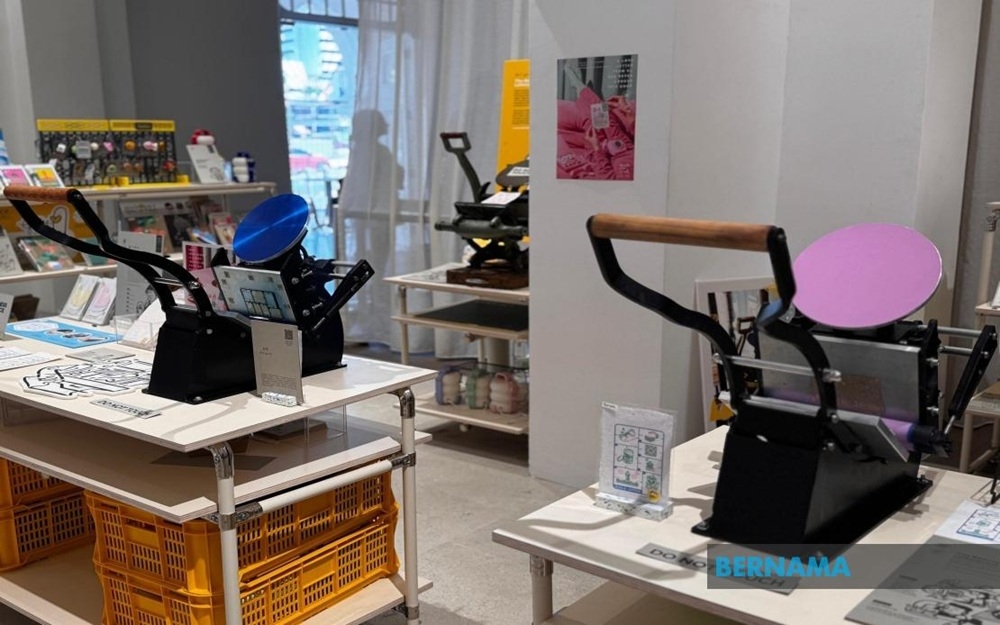
APOM retail store carries Goods for Good products as one of 40 featured brands at Bangunan Sultan Abdul Samad in Kuala Lumpur.
Lem said that among the organisation’s other products are notebooks called “buOKU”, created by youths aged between 21 and 33 with a slow learning disability, as well as 3D-printed lamps developed in collaboration with local designers.
She said that currently, five disabled youths and four elderly individuals have benefited from corporate social responsibility (CSR) initiatives carried out by companies through the NGO.
Empowering communities via social enterprise
Elaborating further on the sourcing of materials, particularly plastics used to produce 3D-printed lamps and keychains, she said the NGO has collaborated with a French multinational holding company specialising in cosmetics, skincare and wellness products.
“They run a programme where customers can return used bottles for recycling in exchange for reward points that can be redeemed for products.
“Every week or month, we will collect the bottles from them and recycle the materials into our products for free,” she said.
Not only does AACE help generate income for underserved communities, including persons with disabilities and the elderly, but it also contributes to environmental sustainability by recycling materials into finished products.
She said some companies not only provide monetary contributions to CSR programmes but also request something in return, such as engagement activities involving beneficiaries.
“So, once you buy this card (or products), you are giving it back to those who need it. Do not just donate, but empower them as well.
“For example, if they donate RM10,000, we will give the children an opportunity to participate in activities such as painting or assembling items as part of the project,” she said, adding that this provides meaningful hands-on experience for the participants.
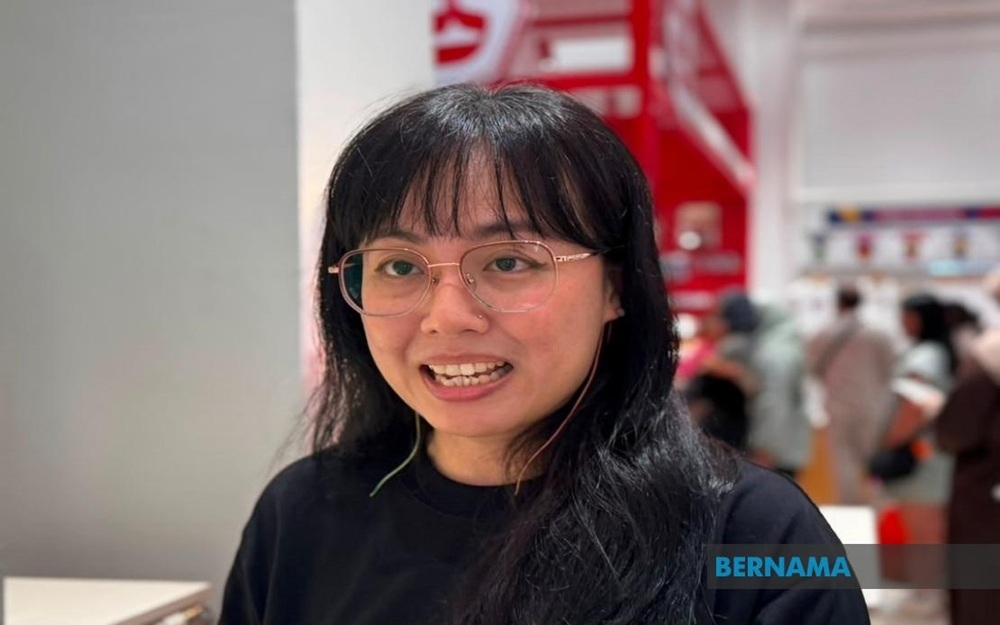
Lem said AACE operates a volunteer-based system instead of employing permanent workers, with individuals engaged as and when assistance is needed at its centre.
She said contributors or volunteers are compensated through labour fees or project-based payments, depending on the nature of the work involved.
She explained that the organisation operates on a social enterprise model, with projects carried out in response to demand, particularly to support individuals in need of employment opportunities.
Lem also said the system is implemented with a transparent structure, where a certain percentage of returns is clearly shared with the participants involved.
She said the Goods for Goods initiative will strengthen the livelihoods of the communities it represents and elevate the status of individuals with special needs and senior citizens, especially those from low-income and vulnerable communities.
Besides this, the adoption of ESG standards into their business practices will help drive a sustainable social impact; thus, in a way, the opportunity, support and confidence can become agents of change and have a major impact on the family and surrounding communities, she added.
More information about Goods for Good is available on its website at https://www.aace.my/goodsforgood. — Bernama


