


WASHINGTON, April 2 — Bob Singleton only met civil rights leader Martin Luther King Jr once, but that meeting changed his life.
It was early 1961 and the 24-year-old college student was protesting Woolworth's racially segregated southern lunch counters at a picket line outside the company's Hollywood store when King was introduced to him by a mutual acquaintance.
“He marched with us in front of the Woolworth's store and that really made me, from that point on, an organiser,” Singleton, now 81, said.
Soon after that meeting, Singleton organised a group of UCLA students to travel to Jackson, Mississippi to enforce federal desegregation laws at the train terminal.
They were known as the Freedom Riders, and among the group was Singleton's wife, Helen, now 85. The Singletons, and hundreds of other young Freedom Riders were arrested and jailed. But by November, the federal Interstate Commerce Commission's ruling prohibiting segregation on interstate transportation facilities was being enforced across the South.
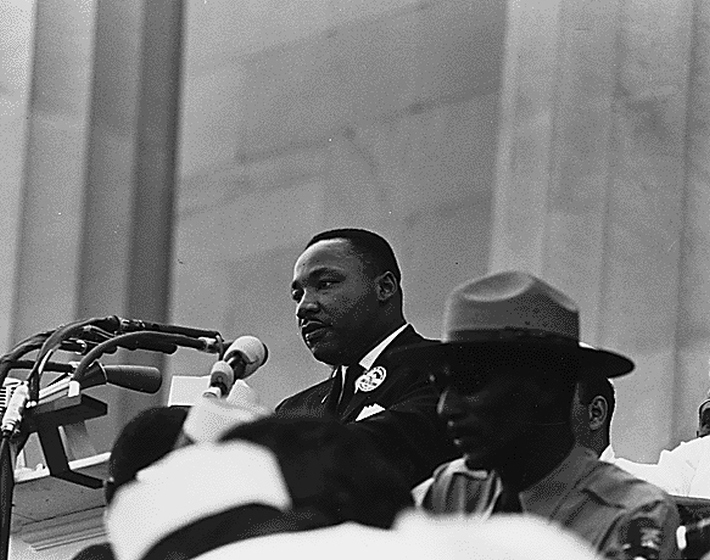
“We won that battle,” said Bob Farrell, 81, who was arrested in Houston, Texas in one of the last organised Freedom Rides in August, 1961. “Inside of one year we contributed to changing public policy that had been there since the beginning of the 20th century.”
But the civil rights struggle was far from over. On April 4, 1968, King was killed on a motel balcony in Memphis by an avowed segregationist.
Farrell traveled to Atlanta for his funeral.
“The silence. The silence once the body came out of the church, the silence on that long march," he said. “It was just something I've never experienced before or since.”
The Singletons and Farrell agree there has been significant progress in racial equality in the five decades since King's death, but all are dismayed at the current state of US race relations.
“The fact that 50 years later, there's so much still to be done just demonstrates to me and to others how deep, how very, very deep white supremacy, its premises and the dynamic that still propels our nation is still there,” Farrell said. — Reuters


