





JUNE 18 — Athletic prowess is insufficient to succeed in today's international sporting climate. For athletes, coaches, referees, sports administrators, and sports media, effective communication has become crucial. Sports professionals can establish connections, communicate effectively, and take advantage of chances both on and off the field when they have a strong grasp of the language.
Communication is one of the main reasons linguistic ability is vital in sports. During practice and competition, athletes must cooperate with teammates and comprehend coaches' directions. For instance, during a football game, players need to rapidly comprehend any tactical alterations that the coach communicates. Poor placement, lost opportunities, or even defeat could arise from a misinterpretation of instructions.
In international sports, where players and coaches frequently come from various nations, language proficiency is particularly essential. Cristiano Ronaldo, who has represented teams in Portugal, England, Spain, Italy, and Saudi Arabia, is a prominent example. Throughout his career, he has been able to adjust to many teams and environments because of his multilingualism. In a similar vein, a lot of international football players in the English Premier League study English so they can interact with teammates and coaches.
Basketball is another example. In order to communicate with the media and comprehend coaching techniques, international players in the National Basketball Association frequently work to improve their English. For example, Yao Ming became a successful basketball ambassador between China and the United States by using his English communication skills.
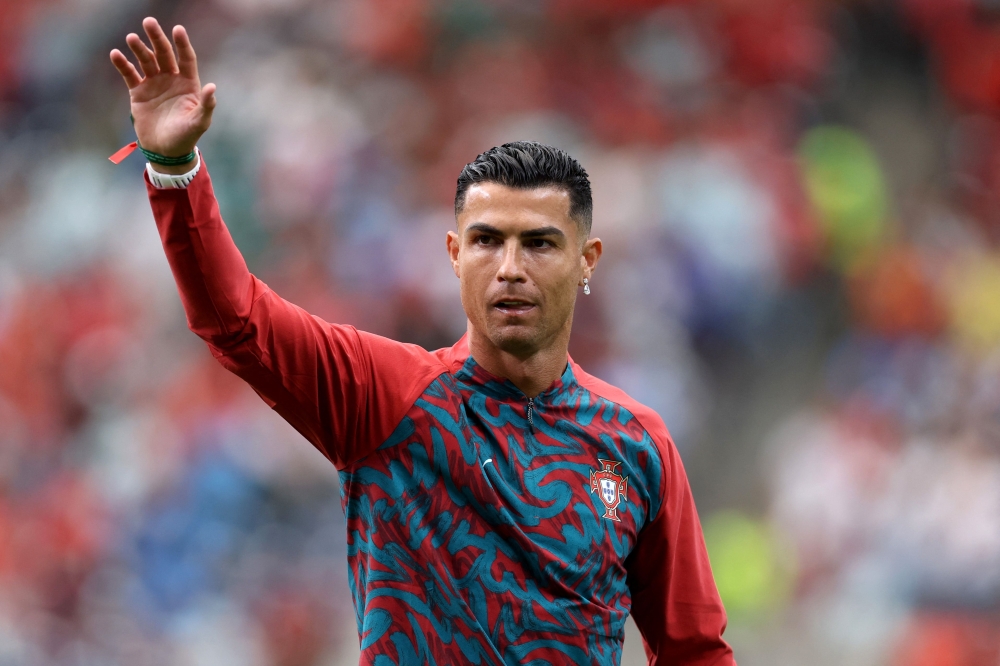
Excellent instances of how language competency helps athletes can also be found in Malaysia. Lee Chong Wei, a former world badminton champion, regularly represented Malaysia in international competitions and took part in multiple interviews with international media outlets. His fluency in English allowed him to interact with sponsors, athletes, and fans around the world. Similarly, national cycling hero Azizulhasni Awang, also referred to as "The Pocket Rocketman," competed internationally while pursuing higher education in Australia. He was able to effectively communicate with coaches, teammates, referees, and the media thanks to his exceptional communication abilities. These illustrations show how language skills can improve an athlete's chances of success and reputation-building on the international scene.
When interacting with the media, having a solid knowledge of the language is equally crucial. Athletes frequently take part in news conferences and interviews when their remarks have the potential to affect public opinion. For instance, tennis great Roger Federer is highly regarded for both his accomplishments on the field and his courteous and well-spoken interviews. He has established a favourable image throughout the world because of his capacity for clear communication.
Beyond competition, language proficiency can lead to career prospects. Many former players work as sports analysts, commentators, or motivational speakers. Gary Lineker, a former football player, made a smooth transition into sports announcing thanks to his exceptional communication abilities. He is one of the most well-known sports presenters in the UK thanks to his ability to clearly and captivatingly describe complicated sporting events.
Additionally, proficient language skills foster cooperation and sportsmanship. Athletes from various language and cultural backgrounds communicate with one another during international competitions like the Olympic Games. Among the fundamental principles of international sports are mutual respect, friendship, and understanding, all of which are fostered via effective communication.
In summary, being able to communicate well is a great advantage in the sports industry. It makes it possible for sportsmen and sports professionals to engage with the media, communicate clearly, adjust to global settings, and pursue prosperous professions. Examples from real-world sports like football, basketball, badminton, cycling and tennis show that being able to communicate in another language is not just a bonus but is necessary for success in contemporary sports.
* Nurizah Md Ngadiran is attached to the Academy of Language Studies at Universiti Teknologi MARA, Shah Alam, while Muhammad Asraf Zulzali is attached to the Faculty of Sports Science and Recreation at Universiti Teknologi MARA, Seremban.
** This is the personal opinion of the writer or publication and does not necessarily represent the views of Malay Mail.


