


APRIL 14 — Danger in Malaysia today does not always announce itself with loud sirens or surging floodwaters. Sometimes it drifts in quietly, settling into classrooms sweltering hot by mid-morning, and skies that turn a familiar grey. For children, heatwaves and haze are no longer rare disruptions, but part of everyday life.
The Ministry of Health has reported multiple heat-related cases so far this year. In Kedah, 206 schools were forced to close after Level 2 heatwave conditions were recorded. These may seem like isolated incidents but taken together they point to a more urgent concern. Analysis of global climate data by Unicef indicates that Malaysia now experiences around eight heatwaves a year, roughly four times more than in the 1960s, with each lasting about five days on average. Today, an estimated 1.16 million children in Malaysia are exposed to heatwaves.
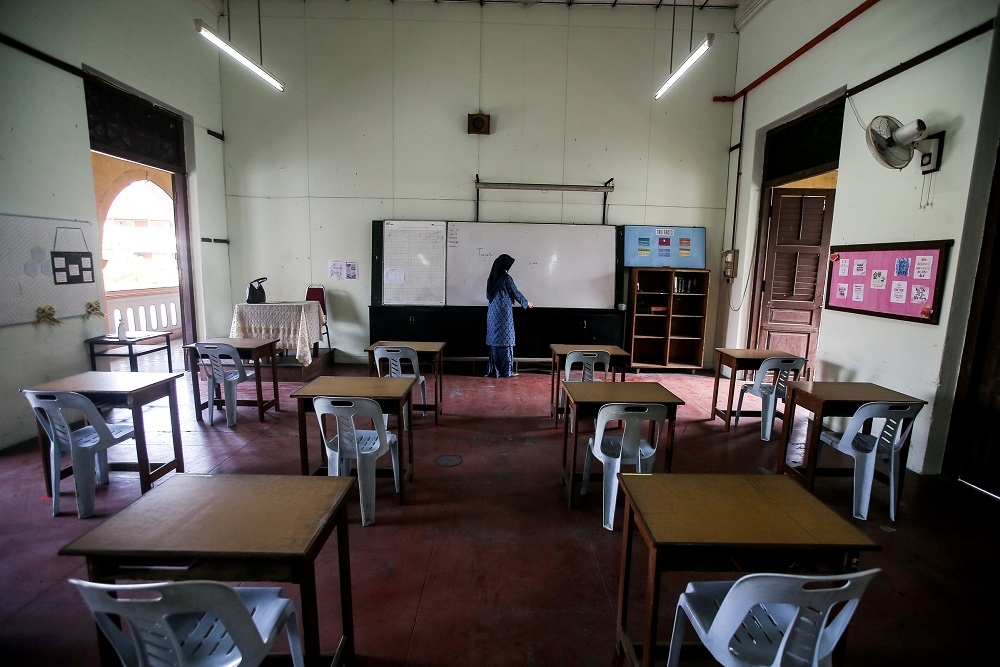
We also know that periods of high heat often intersect with the haze season. In recent weeks, several parts of Malaysia have experienced unhealthy air quality, driven by regional forest fires and intensified by hotter, drier conditions. This is not new. Haze is a recurring challenge in Malaysia, with severe episodes often lasting for weeks to months.
A quiet danger
What is often overlooked is how much this affects children. Heatwaves present real dangers. Prolonged exposure increases the risk of dehydration, heat exhaustion and heatstroke, as children’s bodies heat up faster and cool down more slowly than adults.
These risks are compounded during haze periods. As children’s lungs are still developing and they breathe more rapidly than adults, poor air quality has immediate and often more severe effects. Evidence from the 2021 report by UNICEF and academic partners (Impacts of Climate Change on Children in Malaysia) shows that haze exposure is linked to increased respiratory illness and hospitalisation among children, with urban and low-income communities disproportionately affected.
While the impacts of heat and haze are frequently seen in clinics and emergency rooms, they are also manifested in missed school days and disrupted routines.
And the impact on learning is significant. Heat makes it harder to concentrate, drains energy and slows cognitive function Over time, these effects accumulate. By graduation, students in the hottest regions can lose up to a year or more of total learning.
Schools may respond by adjusting schedules, cancelling outdoor activities or even introducing temporary school closures. While necessary, these measures point to a deeper issue: heatwaves are increasingly disruptive to education. Unlike floods, they do not destroy infrastructure, but they steadily undermine learning outcomes.
There is also a less visible psychological impact. Repeated exposure to extreme heat, polluted air and environmental uncertainty can increase stress, fatigue and anxiety in children.
More than a disruption
Heatwaves and haze are not seasonal inconveniences. They are systemic challenges, affecting health systems, cities, schools, homes, and ultimately, children’s rights. When environmental stress repeatedly undermines these foundations, their rights are not fully realized.
Malaysia has taken important steps through public health advisories, school guidelines and emergency measures. These efforts matter, but they are no longer sufficient. Climate impacts are intensifying faster than our systems are adapting, and responding to each heatwave or haze episode in isolation will leave more children exposed each year.
From response to readiness
What is needed now is a clear and urgent shift from response to readiness. Heat and air pollution must be treated with the same urgency and policy priority as floods or storms, not as stand-alone hazards but as interconnected, systemic risks to children’s development and daily lives.
Children’s climate adaptation needs should be integrated across key systems such as education, health, social protection, and urban planning. Malaysia’s National Adaptation Plan is an opportunity to drive this shift by strengthening preparedness, particularly in how heat and haze affect children’s health, learning and wellbeing. In practical terms, this means ensuring schools can cope with rising heat through basic measures such as ventilation, shaded spaces and access to safe drinking water. It also means linking early warning systems to timely, coordinated action for schools, clinics and families.
Most importantly, climate adaptation must be grounded in the lived realities of children and young people. They are already navigating overheated classrooms, disrupted learning, and unhealthy air. Listening to their experiences is not symbolic. It is essential to designing solutions that effectively protect their health, dignity and development.
Children are the least responsible for climate threats. But without urgent, collective action, they will shoulder its heaviest burden. Heat and haze are no longer distant environmental concerns; they are reshaping daily life for millions of children across Malaysia. Putting children at the centre of climate resilience is not a choice, it is a national responsibility, and the time to act is now.
*Nasha Lee is a climate and environment specialist at Unicef Malaysia
** This is the personal opinion of the writer or publication and does not necessarily represent the views of Malay Mail.


