


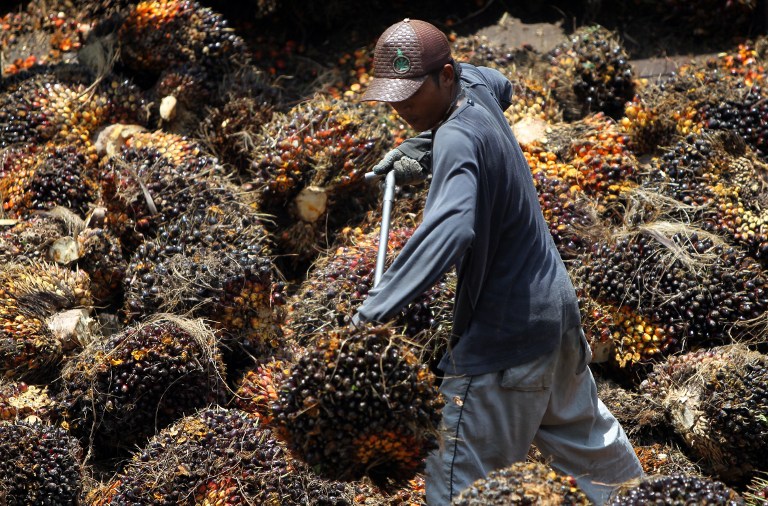


KUALA LUMPUR, Jan 13 — Yusof Mohd Isa’s oil-palm plantation on the banks of Malaysia’s Terpai river was submerged in 3.7 metres of water last month.
The 60-year-old farmer, who harvests fruit every two weeks, reaped less than half a metric ton once the waters receded, a quarter of the normal yield. Flooding in Malaysia, which produces a third of the world’s crop, is exacerbating what is always a seasonal low in year-round production.
The floods were the worst in four decades and Malaysia’s output in December plunged the most in eight years, Palm Oil Board data show. In contrast to the slump in crude oil, prices for palm rallied about 23 per cent since September, and Macquarie Group Ltd says the rally has further to go. That’s boosting the cost of the vegetable oil used by Unilever, Hershey Co and biodiesel producers throughout Asia.
“I don’t think we were going into the monsoon expecting such a devastating loss,” said Ivy Ng, an analyst at CIMB Investment Bank Bhd in Kuala Lumpur who has studied the market since 1996. “If there are further losses to production, then the situation will get tighter and prices could move higher.”
The monsoon that hit the east coast of Peninsular Malaysia spawned the worst floods since 1972, Maybank Investment Bank Bhd said. Hundreds of thousands of people were displaced, as the waters damaged homes, power lines, roads and bridges. With access to plantations blocked, some water-logged fruit rotted and were unfit for processing into oil.
Top producers
Malaysia and top producer Indonesia together supply 86 per cent of the world’s palm oil, US Department of Agriculture data show. Output usually declines during the rainy season on the Malay peninsula, with harvests peaking from July to October. In January and February 2014, the crop was hurt by the worst dry spell for that time of year since 1997.
Flood damage reduced Malaysian output to 1.36 million tons in December, the lowest for that month since 2010 and a 22 per cent slump from November, the biggest for any month since December 2006, board data showed yesterday. The decline reduced inventories for the first time in six months, they said.
Palm-oil futures on January 9 reached RM2,383 (US$663) a ton, the highest since July, on the Bursa Malaysia Derivatives. Prices that touched a 2014 low of RM1,914 on September 2 have climbed 3.8 per cent this month after a 4.3 per cent gain in December. The oil may average as much as RM2,500 in 2015, Kuala Lumpur-based RHB Investment Bank Bhd estimates.
Cheaper crude
The rally won’t last, Wayne Gordon, a Singapore-based commodities analyst at UBS Group AG, said in an interview on Friday. The floods are already reflected in the price, which may drop to RM2,100 to RM2,300 this week, he said.
The slump in crude-oil prices may erode the appeal of palm oil as a source of fuel. About 16 per cent of the world crop is used to make biodiesel. Rising crude output and slowing demand sent prices down 51 per cent in the past year in New York, reaching US$44.20 a barrel today, the lowest price since 2009.
“When you’ve got an oil-price environment that I see, you can’t be bullish on any commodities,” said London-based Doug King, the chief investment officer at the Merchant Commodity Fund, which manages US$260 million. Crude may drop below US$40 as US output compounds the surplus, he said.
Kenanga Investment Bank Bhd in Kuala Lumpur cut its 2015 forecast of average palm-oil prices by 12 per cent to RM2,200 on December 30, citing the drop in crude.
Long-term impact
Macquarie Group said in a January 7 report it expects the palm-oil rally to last because of the long-term impact of heavy rains on harvesting, roads and bridges. The effect of damage to facilities on transport and harvesting could help push prices above RM2,400, Chong Hoe Leong, an analyst at Public Investment Bank Bhd in Kuala Lumpur, wrote in a report today.
At the same time, prices are rising for competing vegetable oils. Soybean oil in Chicago has climbed 5.1 per cent from a five-year low on December 2, and canola in Winnipeg is up 16 per cent from a four-year low on September 22.
Wet weather is expected to continue over southern parts of Peninsular Malaysia including Johor through Thursday, while rain is predicted in western and central Sarawak on Borneo island until today, Ambun Dindang, meteorological officer at the weather department, said by telephone on Friday.
“The monsoon season is not over, and there’s a risk that bad weather could come back,” CIMB’s Ng said.
For palm grower Yusof, who has been farming for four decades, the floods have already left a lasting impact, compounding losses from last year’s drought.
“This has never happened before,” said Yusof, who estimates he will earn half his monthly income of RM2,000 in January. “My house was surrounded by water. It was scary.” — Bloomberg


