


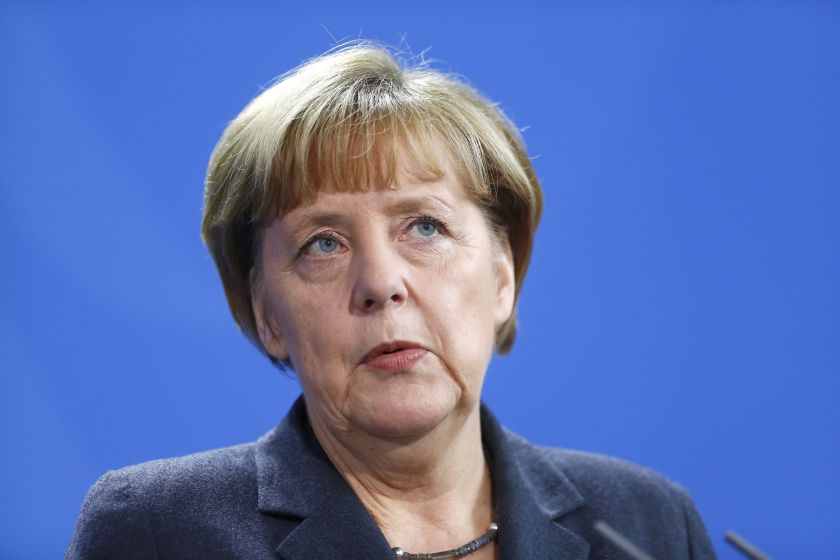
BERLIN, Dec 3 ― Angela Merkel’s government wants greater emissions cuts from the power sector and for Germans to use less energy to help meet the nation’s ambitious climate targets.
The chancellor’s cabinet today agreed to plans to cut emissions by as much as 78 million tonnes of CO2 equivalents by 2020, Environment Minister Barbara Hendricks said today in Berlin. The plan may force utilities including EON SE and RWE AG to mothball power plants fired with coal, the dirtiest fossil fuel.
“These are the most wide-reaching measures that any German government has ever presented,” Hendricks said at a news conference with Economy Minister Sigmar Gabriel in Berlin. “It means we will triple our climate-protection efforts.”
Germany is under pressure to act to avoid the embarrassment of missing its national climate target ― a cut in carbon emissions of 40 per cent by 2020. While Germany has expanded renewable energy sources such as solar and wind, it used coal to generate 45 per cent of its power last year, its highest level since 2007, to help replace atomic reactors shut after the Fukushima nuclear disaster in Japan.
Hendricks said the plans bolster Germany’s negotiating position in Lima, Peru, where about 190 nations are meeting to prepare a United Nations-administered deal to cap greenhouse gases in all nations.
Germany’s plan for 2020 compares with the European Union target to cut emissions by 20 per cent from 1990 levels. The EU goal is to be achieved by imposing carbon caps on about 12,000 installations owned by utilities and manufacturers and by varying national targets for sectors outside the emissions trading system.
Subsidising renovation
In Germany, the power sector will have to reduce emissions by an additional 22 million tonnes, Gabriel said without detailing what plants will have to carry the burden.
Germany has four of Europe’s five dirtiest power plants. PGE SA’s Belchatow lignite unit in Poland was Europe’s dirtiest last year with 37.2 million metric tons of CO2 emissions, with the next four in Germany, according to a study published in July by environmental groups including WWF.
RWE’s Neurath and Niederaussem lignite plants emitted 33.3 million tonnes and 29.6 million tonnes of CO2 last year respectively. The Jaenschwalde and Boxberg plants in eastern Germany, owned by Vattenfall AB, were next.
Germany also seeks 25 million to 30 million tonnes of cuts from energy efficiency, in part by subsidising the renovation of buildings so they use less energy with €1 billion (RM4.24 billion) a year through 2019. That will trigger an additional €12 billion in private investments annually, Gabriel said.
“Our climate targets can’t be reached without more energy efficiency,” Gabriel told reporters. Using less energy also means a reduced need for gas imports, he said.
Germany wants the transport sector to cut emissions by as much as 10 million tonnes; it seeks cuts of 3.6 million tonnes from agriculture and as much as 7.7 million tonnes from industry, services and through waste management. ― Bloomberg


