


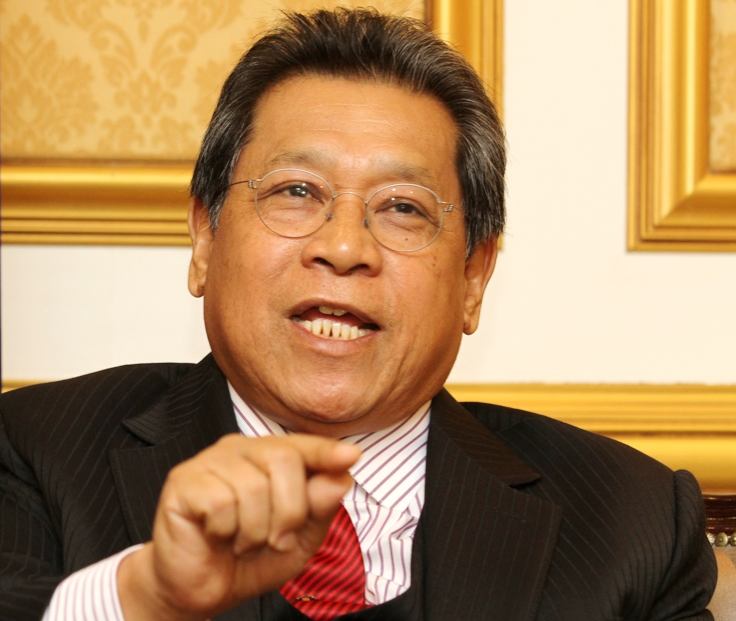


KUALA LUMPUR, June 24 — Tan Sri Pandikar Amin Mulia, a controversial figure who has courted controversy and opposition allegations of bias, was today re-elected Speaker of the 13th Dewan Rakyat sitting.
The Sabah-born leader garnered all 133 votes from the Barisan Nasional (BN) bloc, edging out Pakatan Rakyat’s (PR) nominee, former Federal Court judge Datuk Abdul Kadir Sulaiman, who took all of the opposition’s 89 votes.
“Although I am not elected by everyone, I am proud to work with all 222 members of Parliament and uphold the democratic responsibilities,” Pandikar (picture) said in his opening speech.
His re-election also came amid a minor fracas when some of the opposition lawmakers claimed the voting process was flawed although the voting eventually took place without any problems.
“Even though some questioned the voting process, it is in no way flawed or deviating from the democratic process,” he said.
Pandikar was already mired in a rumpus with opposition lawmakers even before he was re-elected, drawing flak for his threat to drop them if they went on with their plan to boycott the swearing in protest against some of the allegedly rigged Election 2013 results.
Leaders like PKR vice-president N. Surendran accused the former Kota Marudu Umno division chief of blatant bias for the threat, arguing that a Speaker has no right to deny any lawmakers from taking the oath irrespective of the boycott.
Pandikar has denied the allegation and insisted that he has done his job impartially.
Today, he again tried to project a neutral tone when he was seen to mimic the opposition slogan in calling for “ubah” or “change” in Parliament, urging both sides in the Lower House to work towards improving democracy.
“Some of you may have your own reasons for such slogans, but for me it contains messages of change for the betterment of the people,” said Pandikar, whose candidacy was proposed by Prime Minister Datuk Seri Najib Razak.
Among the ways to improve House proceedings was for the opposition to set up its shadow Cabinet to smoothen policy debates, something that PR has been unable to do since the coalition was formed in 2008, a problem that highlighted the split in the opposition camp.
PR leaders, however, have dismissed the claim.


