















MADRID, Aug 17 — Visiting a botanic garden offers a nice change from the traditional museum outing, allowing you to explore cultural heritage in an outdoor setting. Today, we visit César Manrique’s Jardín de Cactus on Lanzarote Island in Spain.
In the 1960s, artist César Manrique came across an abandoned quarry in Guatiza, on his native island, and decided to purchase the land and the windmill sitting in ruin that had turned into a waste dump. It wasn’t until the 1980s though that the project for a centre for the arts on the Canary Island took shape. The Jardín de Cactus opened in 1990.
Manrique’s creation counts more than 7,200 cacti of 110 different species, originating from all four corners of the world, such as Chile, Peru, Mexico, Kenya, the US, Madagascar, Tanzania, Morocco and of course, the Canaries.
But this space of some 5000 square meters is more than just a simple garden. The place combines art and nature, as is true in all of the Spanish artist’s creations.
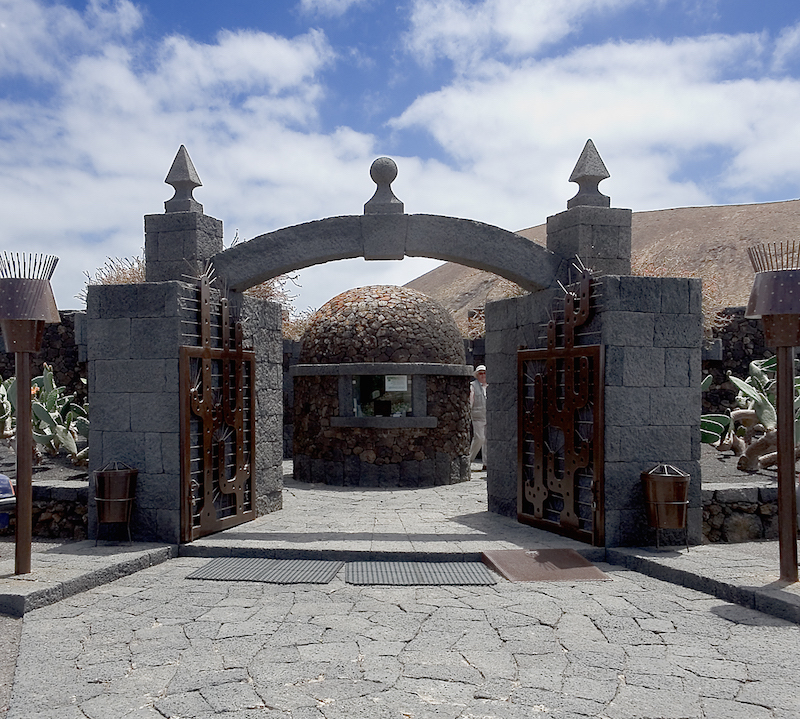
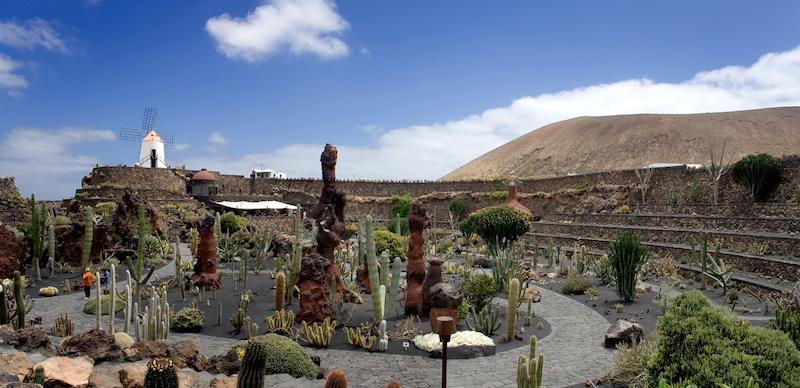
The austere entrance is made of a majestic cast iron door, behind which stands a large metallic cactus. A labyrinth unfolds behind that, the purpose of which is to keep visitors in suspense, as they can only see the garden once they make it through. At the end of the maze, visitors are greeted by the gyratory structure of the garden, situated in a reconstituted amphitheatre. From the bleachers of the amphitheatre, you can see all the different species of cacti, the ponds and statues, as well as the monoliths that recall the location’s past existence.
The Jardín de Cactus is not the artist’s only creation on this small volcanic island, with its grey landscape punctuated by craters. Fans of his work can also discover the Castillo de San José, a museum of international contemporary art, and the Mirador del Rio, a viewpoint situated on an approximately 475 metres high escarpment called Batería del Río in the very north of the island.
For more information, go to turismolanzarote.com — AFP-Relaxnews