


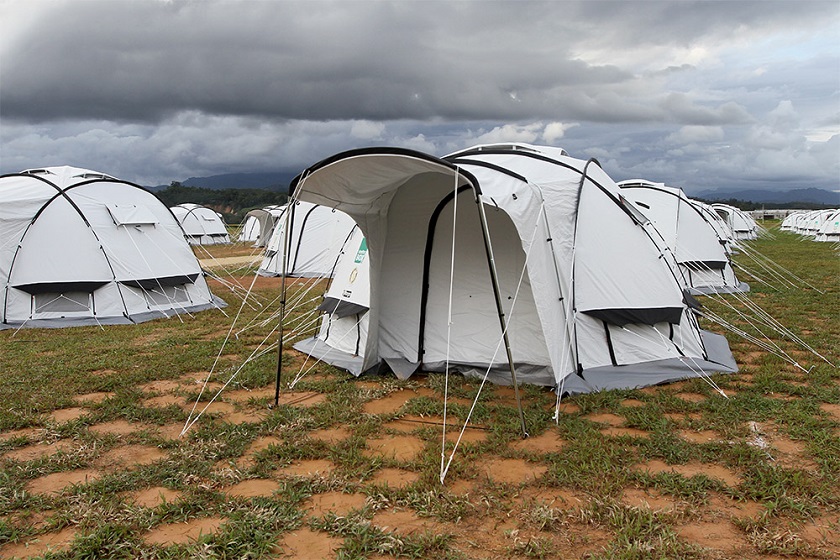
KUALA LUMPUR, Jan 17 ― In Gua Musang, Kelantan, rows upon rows of white futuristic-looking tents were erected in the backyard of a housing area, attracting curious visitors and onlookers.
Now a familiar sight for most locals, the campsite was set up by the National Security Council (NSC) to temporarily house victims of the recent major floods, but the tents themselves were contributed by international disaster relief charity ShelterBox.
Based in the United Kingdom, ShelterBox aims to provide temporary shelter and survival kits for families displaced by disasters. The recent floods which displaced over 250,000 Malaysians was its first disaster relief in the country.
“I think it’s just unusual to be responding in Malaysia because it's an unusually large event for Malaysia,” ShelterBox operations co-ordinator Sam Hewett told Malay Mail Online in an interview.
“We've never had to work here before … the extent of the damage is unusual. I think Malaysia is quite resilient compared to other countries.”
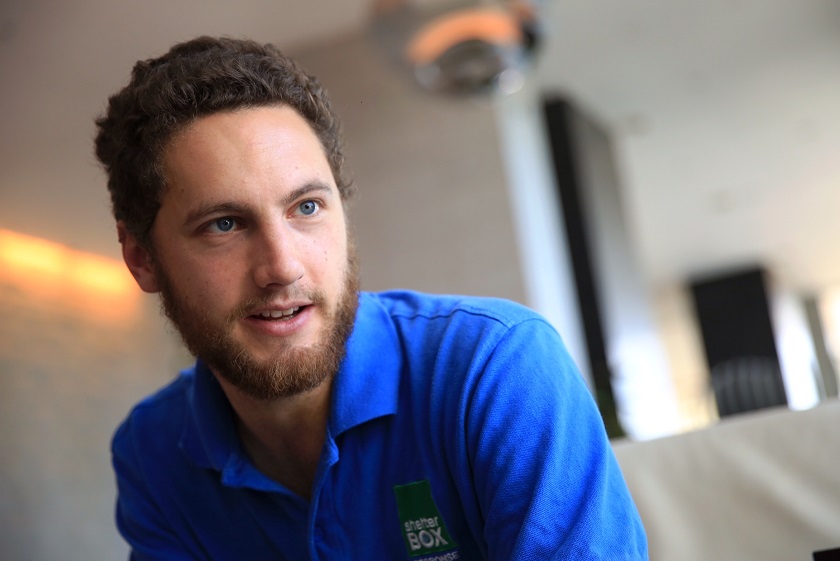
Hewett explained that as of now, 98 families have moved into the shelters in the Gua Musang campsite, where local Special Malaysia Disaster Assistance and Rescue Team (Smart) volunteers have erected 100 tents.
The tent was part of the “shelterbox” that each of the targeted families received. Each shelterbox also contains among others waterproof groundmats, thermal fleece blankets, mosquito nets, tool kit, water containers and filters, all in a durable pastel green plastic box.
The geodesic tent itself is durable and weatherproof, and ShelterBox claims that it can last up to six months with proper care. Part of the Smart volunteers’ training includes coaching locals on how to look after their tents.
“The more people care about their tent, the more the tent will care about them… It’s like a community spirit, if you take pride in your house, then the guy next to you almost has to,” said Andrew Clark, an operations team leader.
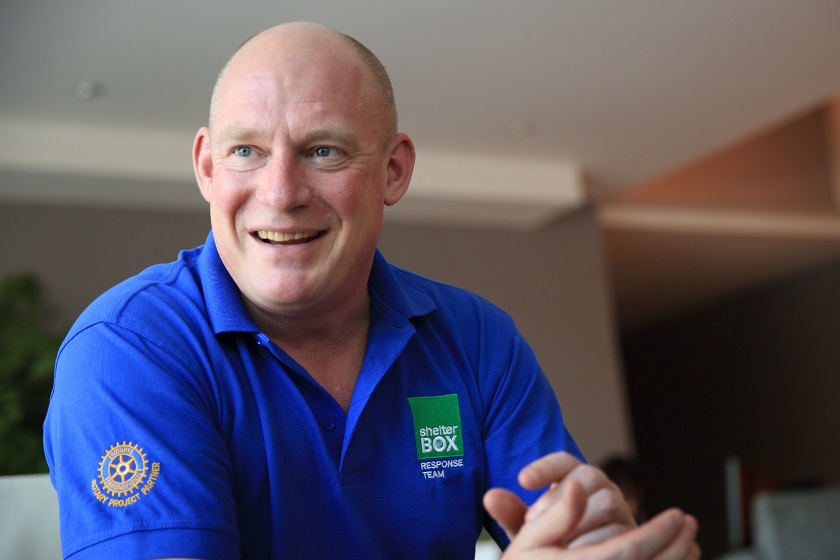
ShelterBox said it sent its response volunteers, Andrew Clouting from Australia and Jack Bailey from the UK, to Malaysia at the end of December 2014 as soon as it found out about the floods. The two and its Malaysian team then met with the NSC to discuss possible assistance.
After just three days, the campsite was ready, with property developer Bandar Utama Gua Musang Sdn Bhd laying the concrete foundation, and building a canteen, toilets and shower areas for the victims.
During Malay Mail Online’s visit to the campsite on Sunday, the families had yet to move in, but it had attracted several visitors to inspect the inside of the tents and the contents of the shelterbox.
The developer was in the midst of installing the sewage system for the toilets, and building a dining hall for the settlers.
Hewett explained that the families will only be staying at the campsite until they are placed in low-cost housing, which is part of Putrajaya’s relief plan for the flood victims.
This week, its team of six response volunteers was also deploying 500 shelterboxes to flood-ravaged Kuala Krai, but with a different strategy.
Instead of building a campsite, ShelterBox would set up the tents near the victims’ previous homes or workplaces, so they can continue with their normal lives as much as possible.
ShelterBox was also in the middle of assessing the situation in Pahang, in places such as Pekan, Temerloh and Jerantut.
ShelterBox has responded to 250 disasters and humanitarian crises in around 90 different countries since its inception in Cornwall, UK in 2000.
The charity group works closely with local organisations and international aid agencies, including Rotary International that made ShelterBox its first project partner in 2012.
It also has long-term deployments in strife-torn Syria, Iraq and Gaza, and its last involvement in South-east Asia was when Typhoon Hagupit struck the Philippines in December 2014.


