


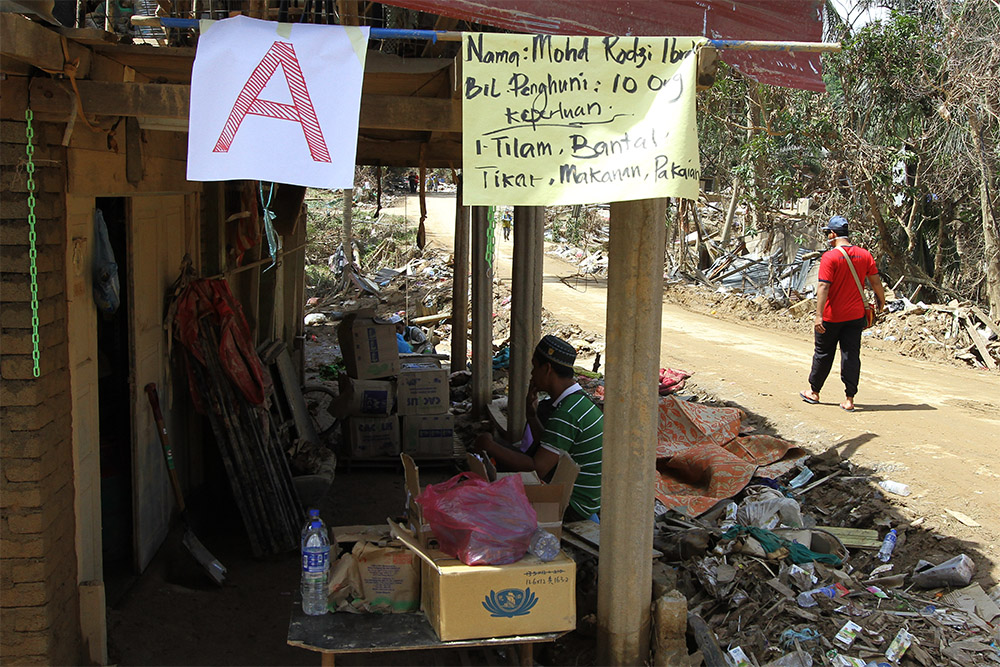
KUALA KRAI, Jan 12 — A flimsy yellow manila card hangs from a pole under a tin roof in flood-ravaged Kg Manek Urai Lama, declaring to all passers-by in Malay: “Mohd Rodzi Ibrahim. Residents: 10 people. Needs: Mattresses, pillows, food, clothes”.
Some weeks have passed since the flood waters ebbed leaving the village covered in dried up mud that crumbles to dust, but the aid meant to help the residents rebuild their lives have yet to reach some families.
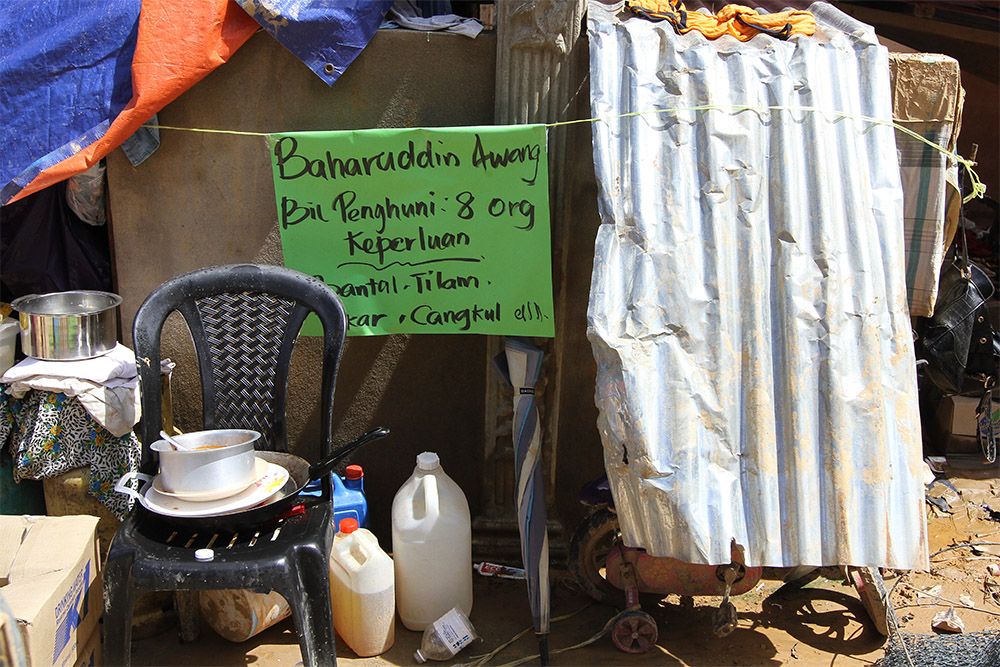
And so these enterprising families have resorted to openly advertising their needs on handwritten signboards hung on their homes, after complaining that they have been ignored by volunteers who bring flood relief aid to the area.
According to them, some “lazy” volunteers would just drop the aid on the bridge that goes into the village instead of meeting the victims directly, leaving the goods to be pilfered by flood victims from outside villages.
“They don't go inside the villages... The ones who are affected like us, of course we will be in our homes. We will not be on the bridge,” 41-year-old Mohd Rodzi Ibrahim, owner of the yellow signboard, told Malay Mail Online.
Just up the road from him, another local had a sign, in green, saying: “Baharuddin Awang. Residents: 8 people. Needs: Pillows, mattresses, mats, hoes, etc.”
Across from Baharuddin's place, several volunteers were cleaning Mohd Sabri Ibrahim's porch with a water jet cleaner, in response to his sign asking for help to wash his home.
Similar signs could be seen around the village: in multi-coloured manila cards, and all scribbled in black marker pens. Some signs pointed out that the children living in the homes were orphans.
“We agreed on this together. All the signs were written by the heads of the houses themselves,” Mohd Rodzi explained, when asked who came up with the idea first.
As we walked across the bridge connecting Kg Manek Urai Baru and Kg Manek Urai Lama outside, a lorry carrying relief volunteers could be seen distributing bottles of drinking water.
Some locals could be seen scurrying to unload cartons off the lorry and putting the bottles in baskets on their mud-crusted motorcycles. They then sped off, away from Kg Manek Urai Lama.
Malay Mail Online reported last weekend that the RM17 million new bridge clogged with cars, mostly bulky four-wheel drive vehicles (4WD), as “disaster tourists” flood the village to take photos of the devastation.
Some villagers had been complaining that the almost 4km stretch of cars was hindering the clean-up work being done by locals.
They also claimed that volunteers who had entered the village to distribute aids were disorganised, causing many victims to rush over whenever lorries stop to deliver goods.
A 55-year-old pensioner called Abang Man, told Malay Mail Online last week that the bridge was also crowded by locals from other villages hoping they could receive the same goods and cash that was distributed to Kg Manek Urai Lama villagers.
“We would know if they are not from here, because this village is not that big,” Abang Man said, pointing at a group of men sitting by the roadside.
It was a similar scene this weekend, as 4WDs began to line up on the bridge after noon, clogging the narrow lanes where volunteers with dump lorries and tractors were cleaning up garbage and flood debris piled up in front of homes.
Manek Urai, over 20 km south of Kuala Krai town, was among the worst-hit areas in the recent floods which saw over 250,000 people in Kelantan displaced from their homes.
The floods caused both Kg Manek Urai Lama and Kg Manek Urai Baru devastated, leaving most homes in ruins and the families homeless. As of this week, the victims were still reeling from the disaster.


