


OCTOBER 7 — Did you know that the authorities uncovered more than 2.1 million child sexual abuse material (CSAM) and pornography files in a recent operation codenamed Ops Pedo 3.0? The operation by the Malaysian Communications and Multimedia Commission (MCMC) and the police exposed the sickening scale of CSAM-related video production in Malaysia.
To make matters worse, among those arrested in Ops Pedo 3.0, eight teens aged between 13 and 18 — seven boys and one girl — were caught producing animated pornographic material and selling it on the dark web for as little as RM50. Bewildered, it made me wonder: where are these children learning this behaviour from?
When news broke last week of 16-year-old star student Irene Sofiya’s death, I watched videos of journalists speaking to her despondent father, whose thousand-yard stare spoke a million words at her burial as he called for justice. He lost his only child.
Living with her maternal grandparents, young Irene harboured dreams of becoming a specialist doctor, following in the footsteps of her late mother. Her tragic death is unforgivable. I could only feel my blood run cold as the video played. My gut churned as I wondered the same question that dwelled on the minds of many Malaysians: when did our schools become so unsafe?
Not so long ago came the deaths of student Yap Shing Xuen at the toilets of SMK Bandar Utama Damansara 4, who was fatally stabbed by a schoolmate later found to have schizophrenia, and Zara Qairina Mahathir in Sabah, whose case remains unsolved.
Online, there were recent rumours that convicted offender Nur Fitri Azmeer Nordin had returned home and started work at Universiti Kebangsaan Malaysia (UKM), which the university swiftly denied in a statement. Nur Fitri was convicted in the United Kingdom of possessing child sexual abuse material, yet he was allowed by UKM to complete his PhD at the institution despite his crimes.
And on the other side of the world, a 2024 case now unfolding at Cornell University involved seven men accused of gang rape at one of its college fraternities. Their punishment? To write essays reflecting on their actions. Again, I could not help but wonder what lessons these young men would truly gain from that experience.
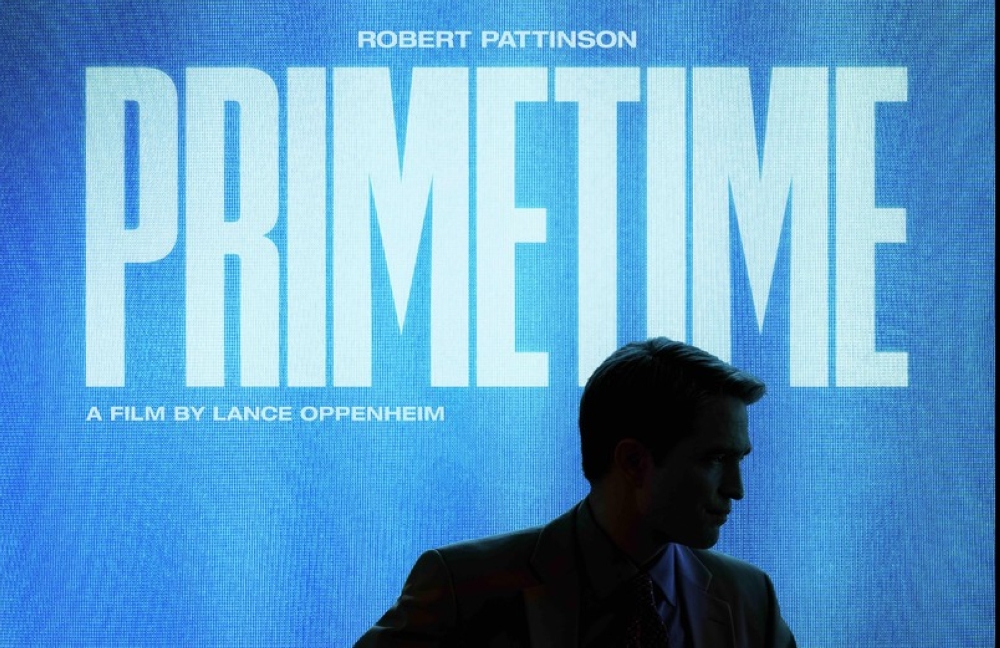
So, when I first caught wind of acclaimed documentary maker Lance Oppenheim’s feature debut Primetime (starring actor Robert Pattinson and singer-songwriter Phoebe Bridgers, among others), I looked forward to seeing how the skilled Oppenheim would tackle the movie’s controversial subject matter – paedophilia culture and child sexual abuse – topics so pertinent in Malaysia right now. The climate feels right.
The movie is based on the hit American TV show To Catch a Predator, hosted by Chris Hansen. The premise of the show was a high-stakes sting operation targeting men suspected of soliciting sex with minors in online chat rooms. Using a network of actors, they would lure unsuspecting predators back to fake homes, or “sting houses”, where the entrapment began. Inside, they were filmed expressing criminal intent before Hansen would suddenly appear and confront them.
The police would then become involved, making arrests and taking the suspects away to be charged in court.
I was curious about the cross-cultural conversations it could spark here. After all, art is often the easiest entry point for the layman to discover different perspectives on how to engage with the world around them.
So you can imagine my disappointment when I learnt that it would no longer be shown in Malaysia. In some ways, this week, it was the final straw for a person like me, following the barrage of horrifying acts against our schoolchildren.
Again, I wondered: what message are we trying to send through the banning of Primetime and the general inaction in tackling this issue? Let us not talk about the elephant in the room, for fear of offending someone? Is there someone we are protecting?
Do we do so even as our children’s bodies lie lifeless in our schools? Do we do so even as predators feed off and profit from the suffering of our youngsters?
Do we allow our children to be conditioned into thinking that sexual violence is normal; that paedophilia is normal; that grooming is normal? Do we allow these injustices to keep happening? Do we sweep them under the rug? The reality of the world we live in is so much worse than what is depicted on screen.
Responding to the Ops Pedo case, the Women, Family and Community Development Ministry shared that it is studying the need to expand provisions in proposed amendments to the Child Act 2001 on sexual misconduct involving children. This is with regard to predation and peer-to-peer grooming.
But we need more than closed-door talks and calls for policy reform; we need an all-of-society approach working in tandem to end this pervasive violent and paedophilic culture endangering our youth, or we run the risk of giving free passes to abusers and absolving them of their crimes.
Relevant ministries such as the Women, Family and Community Development Ministry, helmed by Datuk Seri Nancy Shukri, and the Education Ministry, led by Fadhlina Sidek, must act quickly and decisively to nip this worrying trend in the bud.
That said, the Film Censorship Board must consider giving the arts room to challenge and provoke discussion on such topics. Let Primetime get its prime time in cinemas here.
*Editor’s note: This is the personal opinion of the writer or publication and does not necessarily represent the views of Malay Mail.


