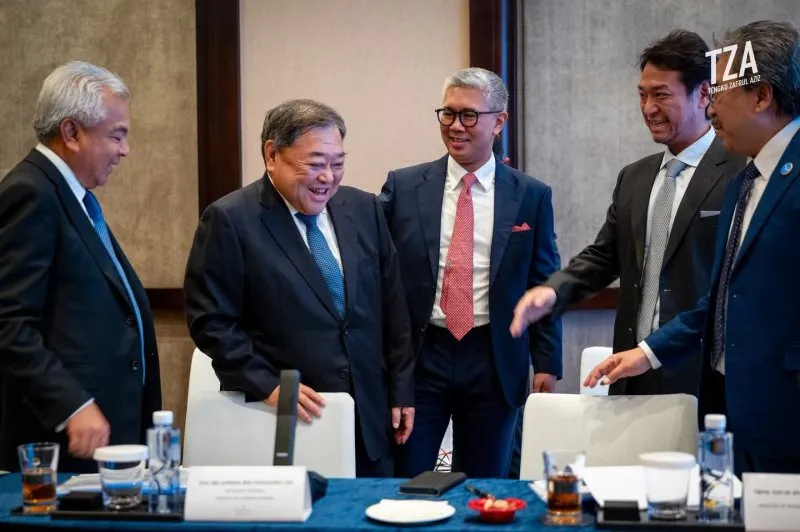



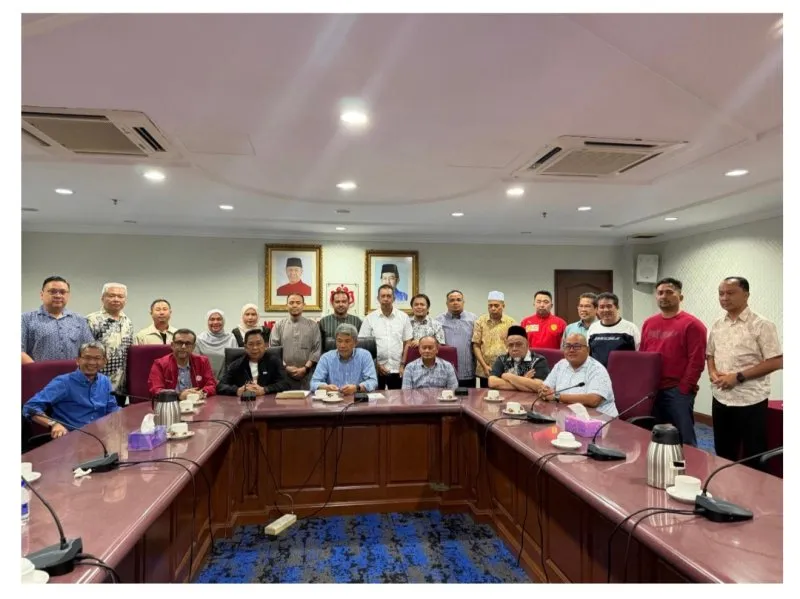







GEORGE TOWN, Nov 21 — Penang’s RM24.6 billion plan to buy treated water from Perak has won the backing of 98 per cent of shareholders in PBA Holdings Bhd (PBAHB), the parent company of the state water utility, at an extraordinary general meeting (EGM) here today.
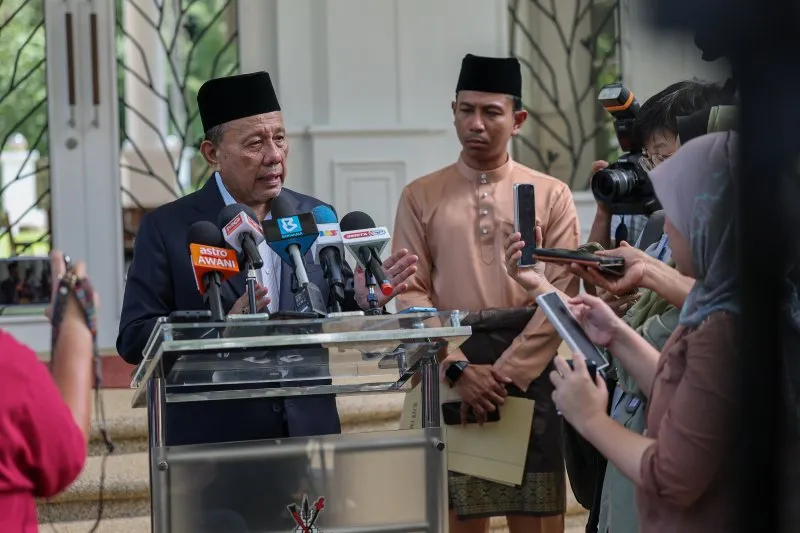
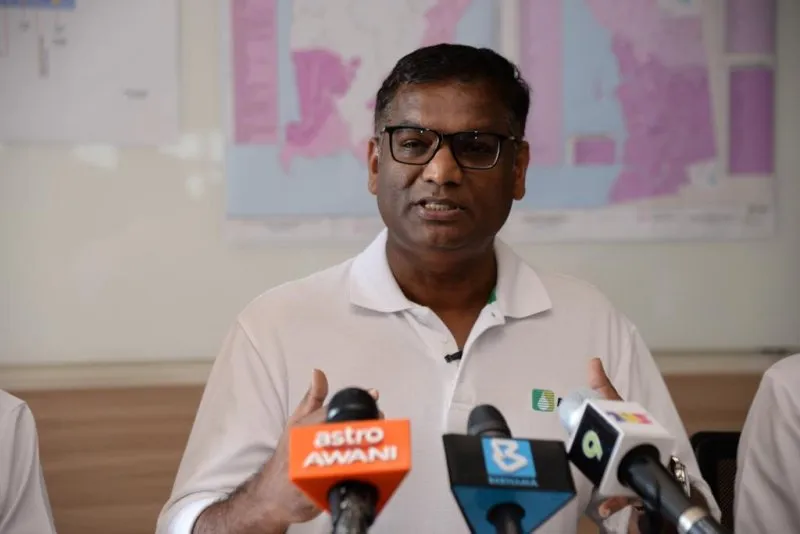
Penang Water Supply Corporation (PBAPP) chief executive officer Datuk K. Pathmanathan said the state’s Water Contingency Plan 2030 had run out of options within Penang, The Star reported.
“There is nothing left, so the only available opportunity is the Perak water source,” he was quoted as saying after the EGM.
He said PBAPP had compared the project with seawater desalination, which would cost substantially more and lead to a higher tariff.
“That is why we consider this project the best practical alternative for PBA,” he added.
Pathmanathan added that the minimum purchase of 300 million litres per day (MLD) was conservative, given the demand from Penang’s growing industrial sector and incoming investments.
“So we need more and more water,” he was quoted as saying, pointing to companies signing agreements and launching investments in Batu Kawan even as the EGM was under way.
Also present were PBAHB group chairman and Penang Chief Minister Chow Kon Yeow, State Secretary Datuk Jafri Abdul Jalil and PBAHB chief financial officer Mary Ann Harris.
The 40-year deal runs from 2032 to 2072 and covers a minimum of 300 MLD of treated water from a new 500 MLD plant in Perak, comprising RM8.4 billion in capacity charges and RM16.2 billion in supply charges.
Lim Guan Eng, the Bagan MP and former Penang chief minister, said on November 20 that Chow had ignored written objections from five independent PBAHB directors over the RM210 million PBAPP must pay Perak each year, even if no water or less than the contracted amount is supplied.
Lim said he supports sourcing water from Perak but objects to the financial terms, and claimed the full agreement had not been disclosed because of non-disclosure provisions.
Chow said on November 19 that the capacity charge was an “availability payment” that recovers the plant’s construction cost and is separate from payment for water actually supplied.
He said PBAPP pays the supply charge only for water it receives, and that safeguards in the agreement include compensation for shortfalls, a right to terminate and renegotiation if supply is suspended for more than three months.