


OCTOBER 6 — The devastating loss of 16-year-old Form Four student Irene Sofiya Mohd Khairool Faisal has shaken the nation, transforming a place of learning into a scene of unimaginable tragedy. Found lifeless by her grandmother and friends in a school hall in Yong Peng, Johor, after failing to return home from extra classes, an autopsy confirmed she died from blunt force trauma to the head.
With police investigating the case as murder and a 16-year-old classmate currently remanded, this incident has exposed critical vulnerabilities in the Malaysian public school system. Despite having closed-circuit television (CCTV) cameras on the premises, authorities revealed a chilling detail: the cameras did not cover the specific location where Irene’s body was found.
Education Minister Fadhlina Sidek has rightly ordered a comprehensive audit of the school’s standard operating procedures, but this tragedy serves as a loud, undeniable wake-up call for everyone involved in the education ecosystem. Schools are meant to be sanctuaries for growth, not places where students lose their futures.
To prevent such a tragedy from recurring, the Ministry of Education (KPM) and school administrators must move beyond reactive measures and implement systemic safety overhauls. A primary and urgent step must be the aggressive expansion and strategic installation of CCTV cameras across all public schools.
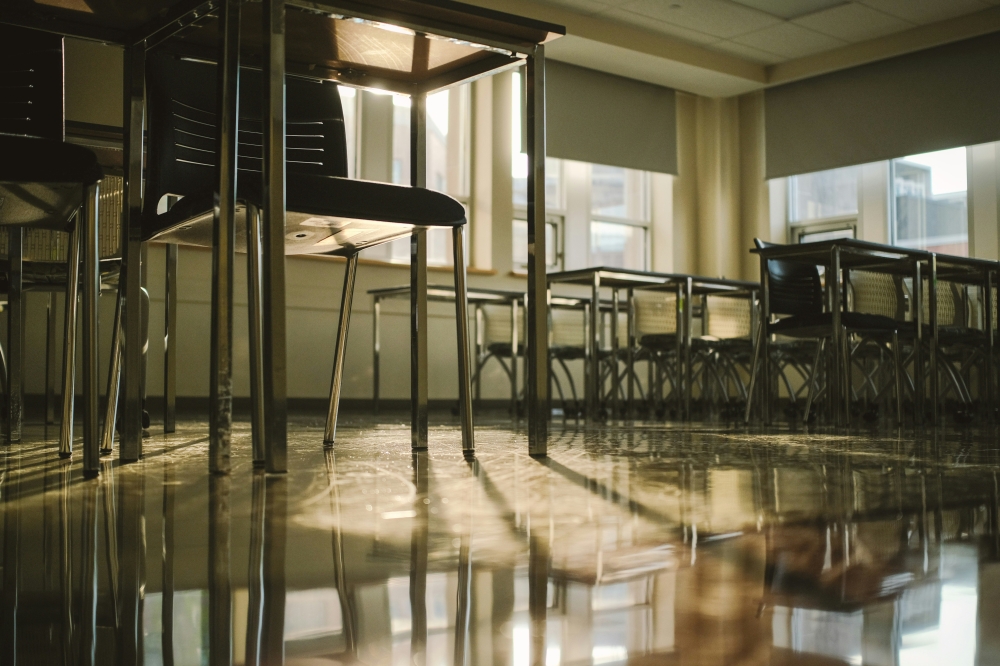
Relying on a handful of cameras at main gates is no longer sufficient; KPM must allocate funding for a comprehensive, zero-blind-spot surveillance network covering isolated areas, including multi-purpose halls, stairwells, back corridors, and sports facilities.
Regular maintenance checks and real-time monitoring capabilities must be strictly mandated to always ensure active recording. Beyond surveillance technology, school security audits must become a rigorous nationwide standard.
This includes evaluating the competence of contracted security companies, enforcing strict entrance and exit controls, and ensuring guards conduct scheduled, verifiable patrols throughout the entire campus, particularly during after-school hours.
Furthermore, extra classes and co-curricular activities require just as much supervision as regular school hours, meaning teachers or appointed wardens must be present with uncompromising protocols for checking student attendance and ensuring safe departure.
Because a peer has been implicated in this tragedy, schools must also proactively address student behaviour by implementing mandatory peer mediation programs and providing accessible counsellors to identify and defuse dangerous emotional or psychological issues before they escalate into violence.
However, safety is not solely the responsibility of the KPM or school administrators. Cultivating a secure environment begins at home and extends into the broader community through active participation and a renewed focus on ethics and discipline.
Parents must actively teach emotional regulation, respect, and conflict resolution, creating safe spaces at home for teenagers to discuss their frustrations so that pent-up emotions do not manifest as violence against peers. It is crucial for parents to stay vigilant regarding sudden changes in their children's behaviour, academic performance, or social circles, using open, non-judgmental communication to prevent bullying, resentment, or violent tendencies from taking root.
Parent-Teacher Associations (PTAs) must also step up to demand transparency regarding school security measures. By organising parent safety patrols, contributing to funding for better surveillance equipment if government allocations fall short, and acting as a unified voice, PTAs can hold school administrations accountable and bridge the critical gap between home and school oversight.
The death of a bright student who dreamed of becoming a doctor is a profound loss that demands immediate, collective action. Relying on outdated security protocols and assuming students are automatically safe simply because they are within school gates is an illusion we can no longer afford. KPM, educators, security personnel, and parents must collaborate urgently to rebuild trust and fortify our educational institutions. Our children deserve a system that fiercely protects them, ensuring that the school remains the absolute safest place in their world.
* Muhammad Ammirrul Atiqi Mohd Zainuri is from the Faculty of Engineering and Built Environment, Universiti Kebangsaan Malaysia
** This is the personal opinion of the writer or publication and does not necessarily represent the views of Malay Mail


