


APRIL 18 — I refer to the article “Outdoor activity SOPs must be preventive, not reactive, says Lee Lam Thye after Kedah drowning.”
First and foremost, I echo the deep sense of loss expressed by Tan Sri Lee Lam Thye. The deaths of two trainee teachers at Pantai Merdeka are a profound tragedy, and his call for a more proactive and preventive safety culture in outdoor activities is both timely and necessary.
However, I respectfully suggest broadening our analysis of this incident beyond the current focus on standard operating procedures (SOPs) for outdoor programmes alone.
Initial reports indicate that a storm and big waves caused some of the kayaks to capsize during the activity. Crucially, the two victims were later found entangled in a fisherman’s net, despite wearing life jackets. Other kayakers who capsized were successfully rescued.
This indicates that while environmental conditions and programme management may have contributed to the incident, the immediate mechanism of injury was entanglement in fishing nets.
If this is the case, then an exclusive focus on activity SOPs risks overlooking a critical dimension of the hazard landscape — namely, the presence and management of fishing equipment in shared coastal spaces.
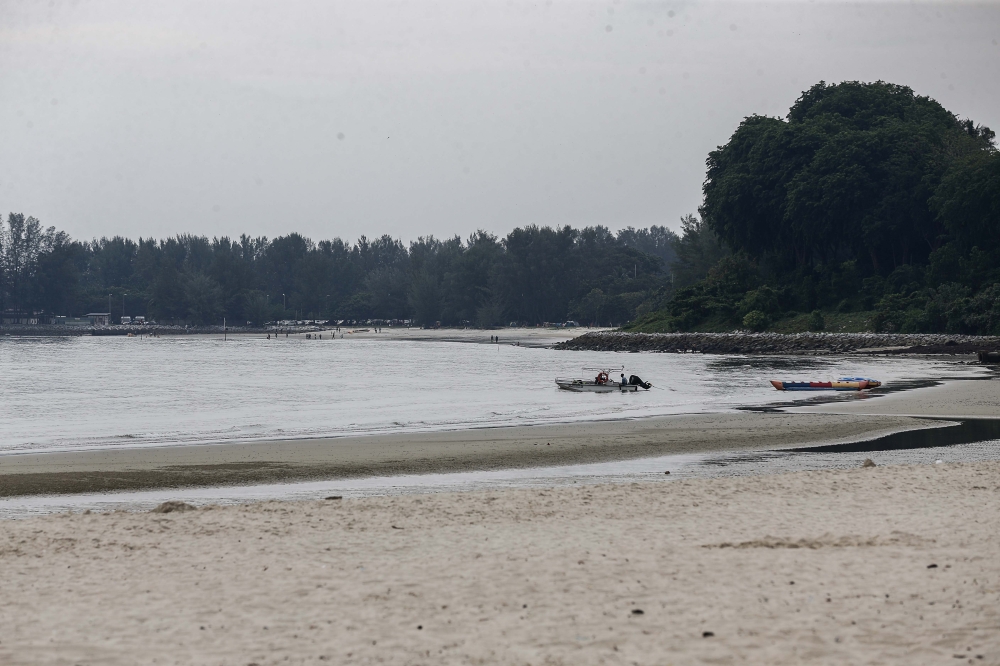
Pantai Merdeka is both a popular recreational beach and an active fishing area. This dual use inevitably creates zones of overlap between commercial fishing operations and recreational users.
Where such overlaps are not clearly managed, the risk of conflict — and tragedy — rises.
Malaysia already has regulatory frameworks intended to address this. The Fisheries Act 1985 includes provisions to prevent fishing gear from becoming a navigational hazard, including requirements for placement and marking.
Similarly, spatial zoning systems managed by the Department of Fisheries Malaysia are designed to separate fishing activity from high-traffic areas.
This raises several important questions for policymakers and enforcement agencies:
Are fishing nets in recreational zones adequately marked and regulated?
Are existing zoning frameworks effectively implemented and enforced?
Is there sufficient coordination between agencies overseeing fisheries, recreation, and maritime safety?
Tan Sri Lee is right to emphasise that safety must be preventive, not reactive. But prevention must also be holistic. It should not only address how activities are conducted, but also the broader environment in which they take place.
If we are to truly honour the lives lost, we must ensure that our response looks beyond programme SOPs and considers all contributing systems—including the management of shared coastal spaces.
* This is the personal opinion of the writer or publication and does not necessarily represent the views of Malay Mail.


