










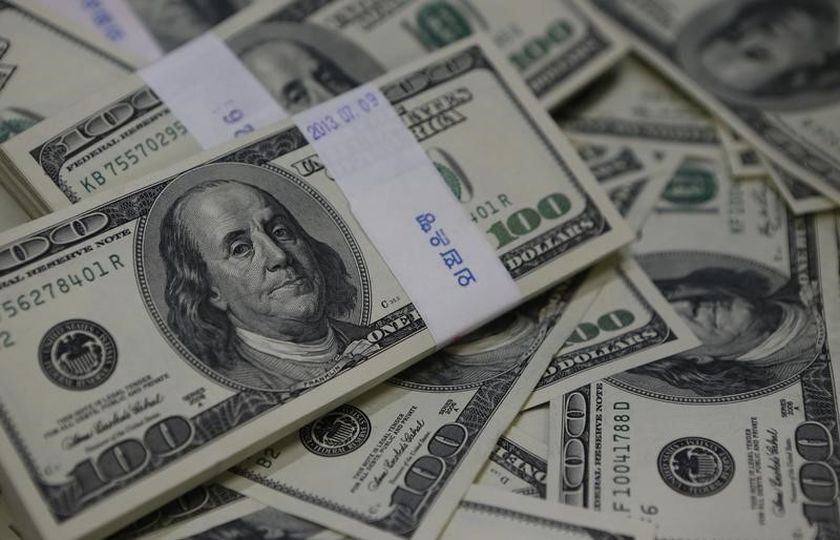


TOKYO, April 6 — The dollar sank to an almost two-week low versus a basket of its peers today, moving in tandem with retreating Treasury yields from recent peaks despite signs of a robust US economic recovery.
The dollar index wallowed at its lowest level since March 25, slipping further in early Asian trading following a 0.4 per cent decline yesterday. The softer turn comes after it hit an almost five-month peak on Wednesday of last week.
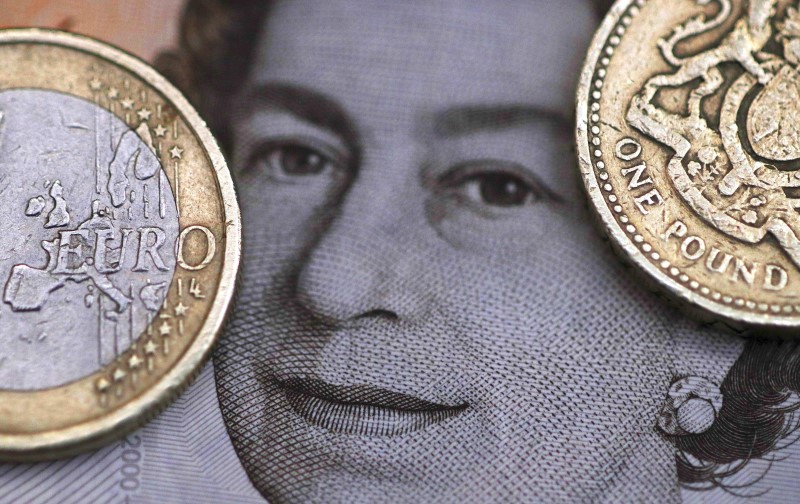
The yen continued to recover from a more than one-year low near 111 per dollar, briefly strengthening back below 109 today. The euro extended its rise from a nearly five-month trough close to US$1.17 (RM4.84) to trade as high as US$1.1821.
The Australian dollar, considered a proxy for risk appetite, edged higher to US$0.7657 after rallying 0.8 per cent to start the week. The Reserve Bank of Australia will announce a policy decision later today, with no change expected.
The greenback has risen strongly this year, along with Treasury yields, as investors bet on a faster US pandemic rebound than other developed nations amid massive stimulus and aggressive vaccinations.
But the dollar’s drop this week even after Friday’s much-stronger-than-expected monthly payrolls data was followed yesterday by the highest reading for services industry activity on record may indicate that much of the bullish outlook is priced in for now.
“While the US does look exceptional, Covid normalisation over time means the rest of the world will converge,” Mark McCormick, the global head of foreign-exchange strategy at TD Securities, wrote in a client note.
“The USD level has now outstripped the pickup in non-US growth expectations,” meaning “there’s room for a USD pause” in its recent uptrend, he wrote.
Benchmark 10-year Treasury yields continued their retreat today, dipping below 1.7 per cent early in the Asian session, from a peak of 1.776 per cent last week — a level not seen since January of last year.
That’s even as the robust economic outlook boosted US stocks to record highs.
The dollar has generally risen as stocks gained over the past few months. Investors are now watching to see if that relationship may have shifted.
“The trickiest thing for markets right now is to figure out what the dollar’s sensitivity is to good US economic news,” said Erik Nelson, a macro strategist at Wells Fargo in New York.
“This is a huge question because if we’re entering a phase where the dollar is no longer a safe haven and more of a ‘risk on’ currency, that’s big regime change.”
In cryptocurrencies, bitcoin firmed following a two-day gain to trade about US$59,192 today, closing the gap to the record high at US$61,781.83 reached in the middle of last month.
The cryptocurrency market capitalisation hit an all-time peak of US$2 trillion yesterday, according to data and market trackers CoinGecko and Blockfolio, as gains over the last several months attracted demand from both institutional and retail investors. — Reuters