

SHANGHAI, Jan 13 ― Asian shares were mixed today, while the dollar slipped as global investors assessed that strong US inflation data was not worrying enough to change the Federal Reserve's already hawkish rates outlook.
While the US consumer price index rose 7 per cent in the 12 months through December, the biggest annual increase in nearly 40 years, investors were reassured by the fact that the jump was not a surprise, as the Fed looks set to raise rates as soon as March.
Markets in Asia, where inflation pressures have generally been more subdued in major economies, could offer attractive risk hedging opportunities, said Jim McCafferty, Nomura's joint head of APAC equity research.
“If you are a global investor and you've seen very significant stock market gains in the US during 2021, if you are seeing inflation as a threat then a lot of investors may be tempted to reallocate funds away from developed equity markets in the West into the mix of developed and developing markets in East Asia,” he said.
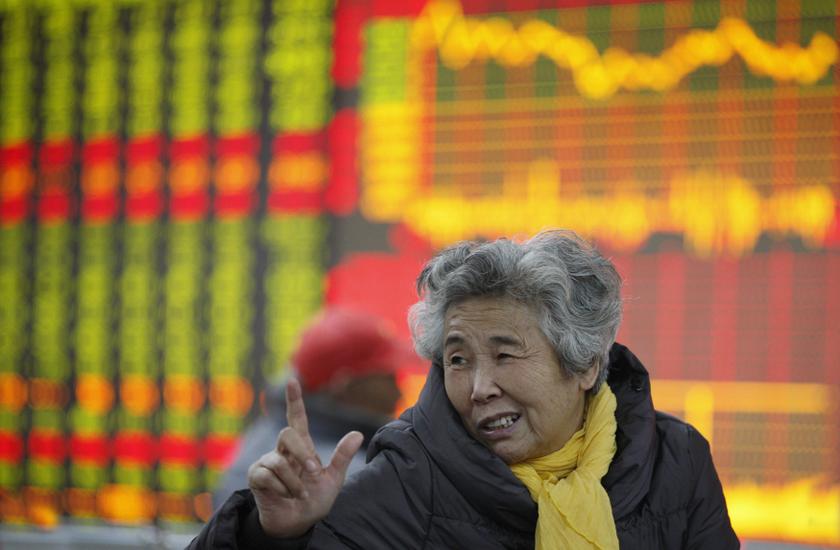
MSCI's broadest index of Asia-Pacific shares outside Japan was 0.1 per cent higher, after recording its biggest daily gain in a month yesterday. Japan's Nikkei lost 0.87 per cent after surging nearly 2 per cent a day earlier.
Australian shares climbed 0.42 per cent while Chinese blue-chips slipped 0.28 per cent.
The uneven performance in Asia followed small gains on Wall Street overnight, with the S&P 500 rising 0.28 per cent and the Nasdaq Composite up 0.23 per cent. The Dow Jones Industrial Average rose 0.11 per cent.
The People's Bank of China is set to unveil more easing steps to support slowing growth, though it is likely to avoid aggressive cuts to interest rates, policy insiders and economists.
The comments underscore the divergence in economic and policy outlooks between the world's two largest economies.
While longer-dated US yields dipped after yesterday's inflation data, Fed fund futures are pricing in nearly four rate hikes this year. Some analysts say that there could still be room for a more aggressive rate hike schedule.
“Our expectation for sustained cyclical price pressures means that we think the Fed will continue to tighten policy into 2023 by more than investors currently anticipate,” Jonathan Petersen, markets economist at Capital Economics said in a note, adding that he expected the US 10-year yield to reach 2.25 per cent by year-end, and 2.75 per cent by the end of 2023.
Today, the US 10-year yield edged up to 1.7499 per cent after dipping yesterday to close at 1.725 per cent. The policy-sensitive 2-year yield was up at 0.9229 per cent from yesterday's close of 0.907 per cent.
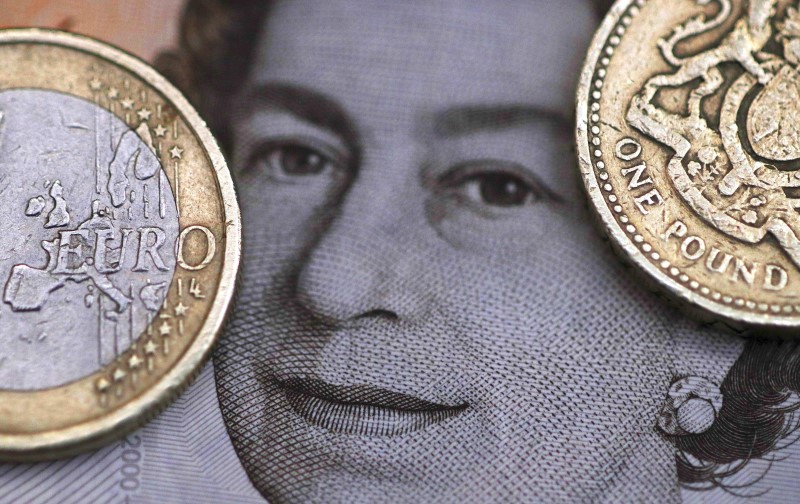
Today's drop in Treasury yields hit the dollar, which fell below key support levels today. The dollar index was last down 0.05 per cent at 94.963, while the greenback crept up against the yen to 114.60.
The euro was little changed at US$1.1443.
Oil prices ticked lower, a day after hitting their highest in nearly two months on the back of a falling dollar, tighter supply, and as investors bet the spread of the Omicron novel coronavirus variant would have a relatively limited economic impact.
Global benchmark Brent crude fell 0.07 per cent to US$84.61 per barrel and US West Texas Intermediate crude edged down to US$82.58 per barrel.
Spot gold held steady at US$1,824.54 an ounce. ― Reuters