












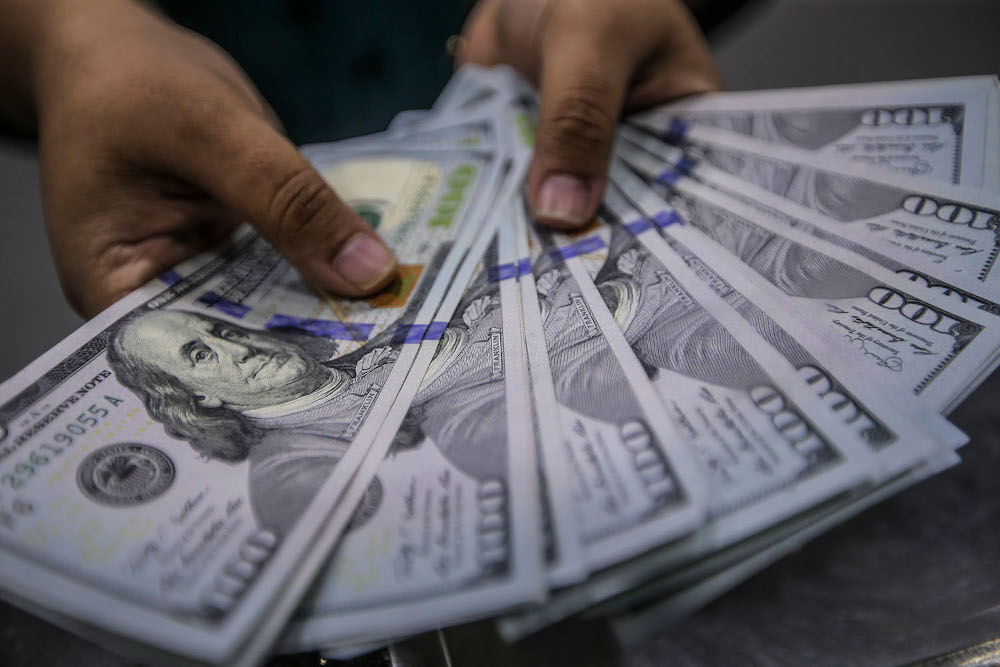


NEW YORK, Jan 11 ― The US dollar hovered near the middle of its recent range against major peers today as traders looked to incumbent Fed Chair Jerome Powell's nomination hearing later in the day for new clues on the timing and pace of policy normalisation.
In his prepared opening remarks, released Monday, Powell will pledge to prevent high inflation from becoming “entrenched,” but will make no mention of plans for the path of monetary policy.
However, he will take questions from senators in his bid for a second four-year term.
The dollar index, which measures the currency against six counterparts, hovered around 95.86 late in the Asian session.
It hit a more than 16-month high of 96.938 on November 24 amid increasing hawkishness from Fed policy makers, but has since been stuck between that level and 95.544, despite a continued ramping up of rhetoric that now has Wall Street banks forecasting four quarter-point rate hikes this year.
TD Securities strategists said it seemed the Fed was of the mindset of “sooner rather than later” for both higher rates and running off its balance sheet after ending bond-buying stimulus ― a process dubbed quantitative tightening (QT).
“An affirmation of March tightening and early QT should support USD firmness overall, though within well-established ranges,” they wrote in a research note.
TD expects a first rate hike in June, but said as early as March was also a possibility.
Money markets are priced for an increase by May, with two more by November.
US December consumer inflation data is due to be released tomorrow, with headline CPI seen coming in at a red-hot 7per cent on a year-on-year basis, boosting the case for an early increase in interest rates.
Ten-year US Treasury yields rose to an almost two-year high above 1.8 per cent overnight, but provided only muted support for the greenback.
The dollar was little changed at ¥115.26 after bouncing off a one-week low of 115.045 on Monday.
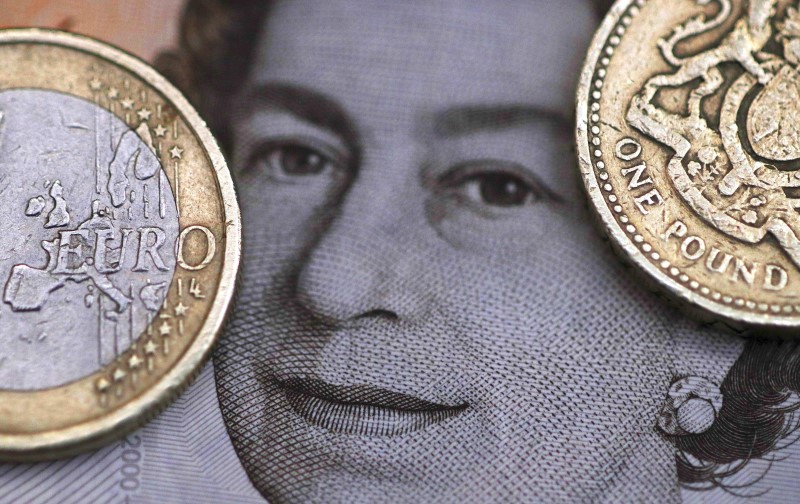
The euro was about flat at US$1.1341 (RM4.74), stuck in the middle of its trading range since mid-November.
“The failure of the USD to rally despite a growing relative premium of US bond yields over other G10 economies has many talking about what will need to play out to drive the USD higher,” Chris Weston, head of research at brokerage Pepperstone, wrote in a client note.
The direction for euro-dollar will be set by a closing break on either side of its recent US$1.1380 to US$1.1270 trading channel, he said.
Sterling was stable at US$1.3594 after easing back from Monday's two-month high of US$1.36025.
The Australian dollar added 0.19 per cent to US$0.7188, getting support from local retail sales data that came in much higher than economists forecast. ― Reuters