


KUALA LUMPUR, June 22 — Researchers at Universiti Malaya here have been testing an optical fibre-based monitoring system that can predict subtle ground movements, potentially providing early warning signs of instability before disaster strikes.
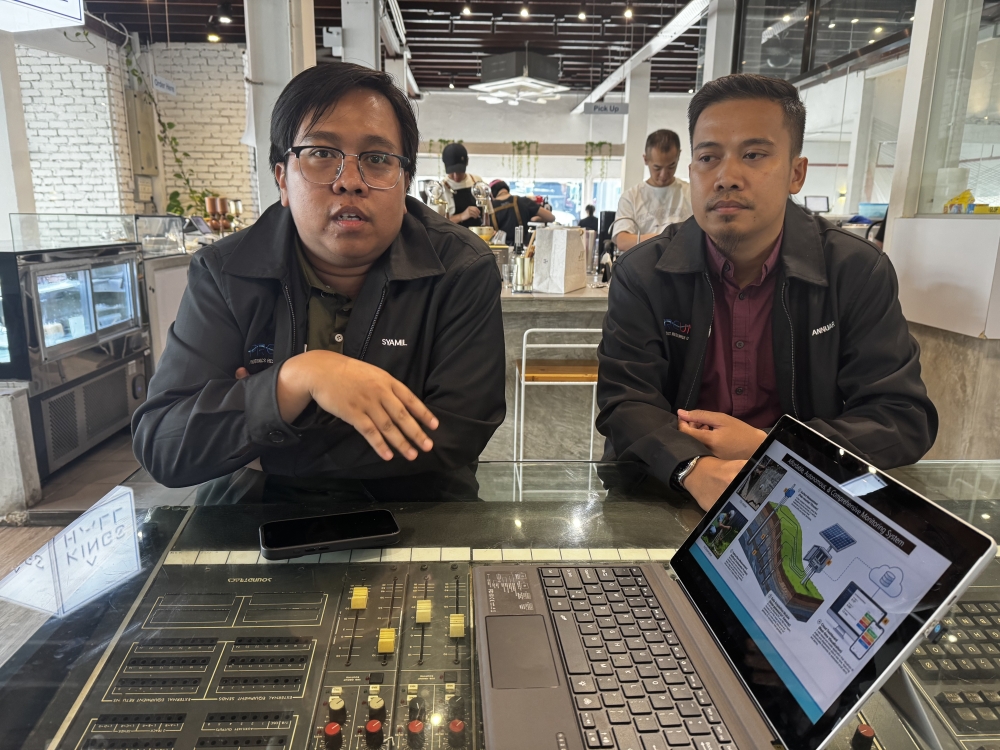
Muhammad Syamil Mohd Sa’ad of the university’s Photonics Research Centre (PRCUM) said the technology is designed to predict gradual movements that may signal a slope is becoming unstable, allowing engineers and authorities to monitor potential risks over time.
How does the system work?
“Unlike conventional sensors that rely heavily on electronic components installed in the field, the system uses light transmitted through optical fibres to measure changes in the surrounding environment.
“As the ground shifts, tilts or deforms, the light signal travelling through the fibre changes.
“These changes can then be analysed to identify movements within the slope,” Syamil told Malay Mail.
Further describing the system, he said the sensing point itself does not require active electronic components.
“Information is transmitted to a monitoring station where data can be analysed remotely and continuously,” he said.
How is it different from existing monitoring systems?
Malaysia already uses a range of slope monitoring technologies, including geotechnical instruments, rain gauges and LiDAR (Light Detection and Ranging). However, Syamil said optical fibre sensing offers a different approach by reducing reliance on electronics at the monitoring point itself.
In tropical environments, electronic components are often vulnerable to moisture, heat, lightning strikes and electrical surges, all of which can affect reliability and increase maintenance requirements.
“In outdoor environments, especially in tropical countries like Malaysia, electronics are often the first components to fail after prolonged exposure to moisture, heat or electrical surges,” he said.
By minimising electronic components on the slope, the system is more resistant to lightning and electromagnetic interference while requiring less frequent maintenance.
“Data is also collected ‘live’, and this is where it also makes a difference whereby prior warning could be sent out before a disaster occurs,” he added.
Why is continuous monitoring important?
According to Syamil, the value of slope monitoring lies not in predicting the exact moment a landslide will occur, but in identifying warning signs that may emerge over weeks, months or even years.
“Small ground movements may not appear dangerous initially, but long-term monitoring can sometimes reveal patterns that deserve closer attention before the situation worsens,” he said.
This allows engineers to observe gradual changes in slope conditions and determine whether further investigation or mitigation measures may be necessary.
The system can also be monitored remotely, reducing the need for personnel to repeatedly enter potentially hazardous areas.
“For many areas that are disaster risks, it is a risk itself for an engineer to go to the ground to collect data.
“What we have developed does not require a person physically collecting data in an affected area,” he said.
Tested under real-world conditions
The technology has already been tested outside the laboratory.
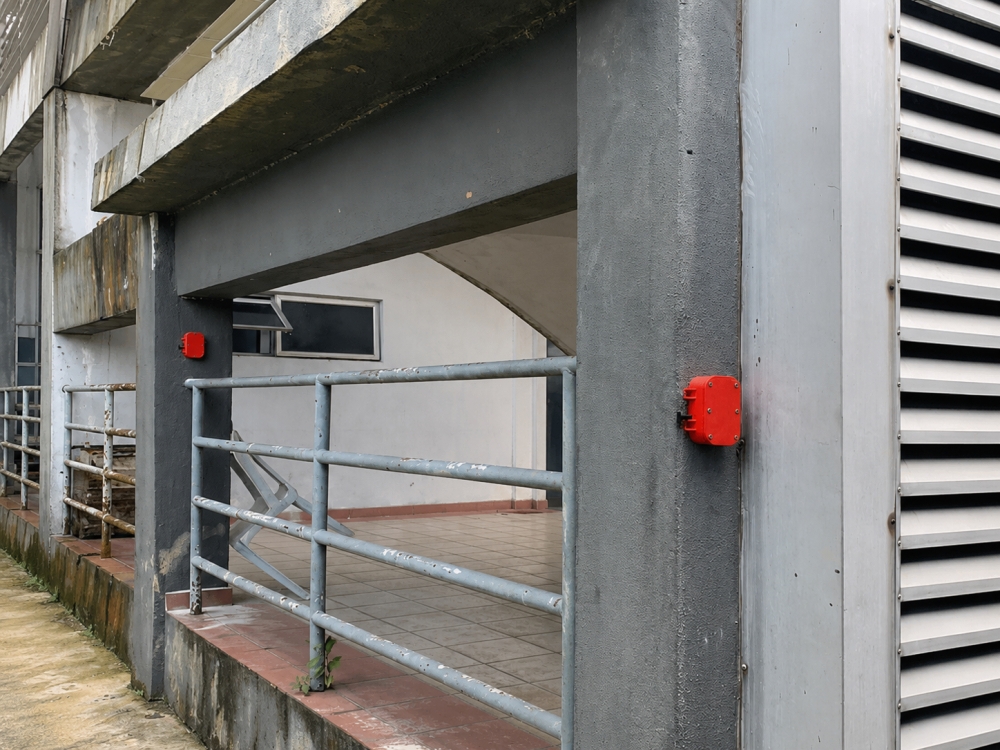
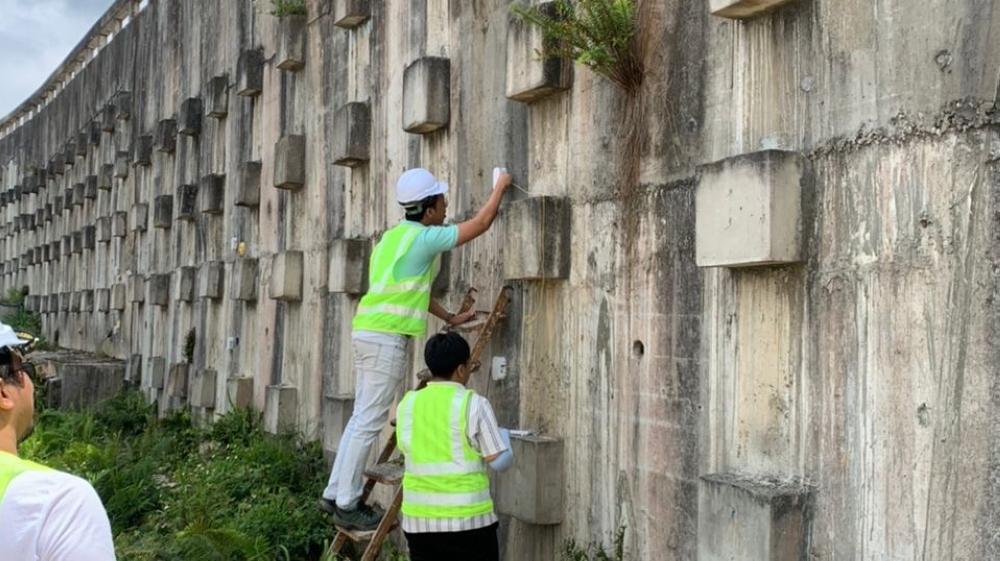
One of the key pilot sites is Blue Valley in Cameron Highlands, where researchers worked with Pintas Utama Sdn Bhd to evaluate how the system performs under actual terrain and weather conditions.
“The site became an important testing ground because it exposed the system to actual terrain and environmental conditions.
“The project exposed the technology to challenges commonly faced by slope monitoring systems, including heavy rainfall, unstable ground, power supply disruptions and remote data transmission requirements,” Syamil said.
Additional monitoring systems were later installed at several locations within the Universiti Malaya campus, including areas near the Faculty of Medicine and the Academy of Malay Studies.
“These installations helped us observe how the sensors behaved over longer periods under changing weather conditions and nearby construction activities,” he added.
“Another site where we have installed the system is the slope areas on Bukit Nanas,”Syamil said.
Why develop local technology?
Beyond the technology itself, Syamil believes there is value in developing monitoring systems tailored to Malaysian conditions.
Imported systems may perform well in other environments but often require modification before they can operate reliably on tropical slopes exposed to frequent rainfall and challenging maintenance conditions.
“There is growing value in developing local monitoring technologies that are designed around Malaysian conditions instead of depending entirely on imported systems,” he said.
For researchers working in the field, he added, the challenge is not merely developing sophisticated sensors but ensuring they continue functioning reliably long after installation.
“The more important challenge is building systems that continue functioning reliably months and years after installation,” he said.
Moving onward
At the moment, Syamil’s team is identifying areas all around the country where there is a need for such a system to improve slope monitoring.
“We are in talks with several local councils, if all goes well our system will be installed at certain sites.
“Bukit Nanas is an example, among some locations that we identified that did not have a monitoring system in place yet,” he said.
Apart from its standout features that provide “live” data collection, Syamil said it will help reduce cost spent on the existing devices that are imported.
“This is also one of the reasons why we wanted to develop a local product, to make slope monitoring more accessible for all local councils and even private establishments,” he said.


