











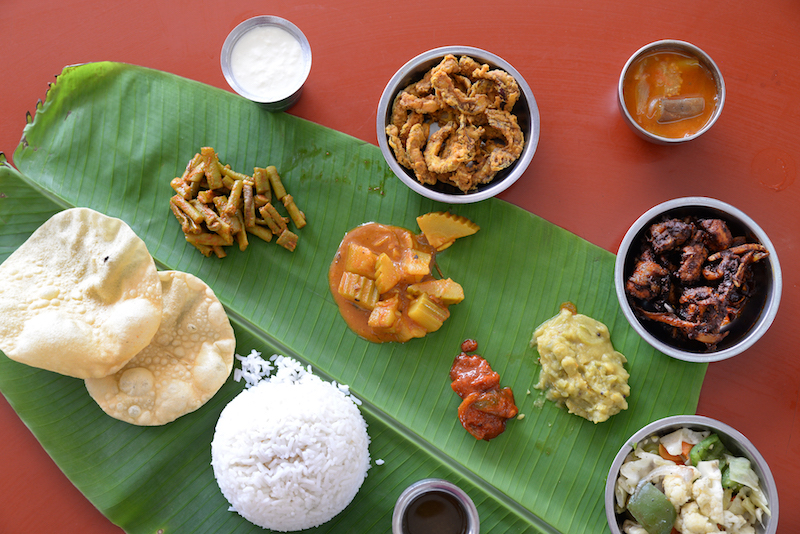


GEORGE TOWN, Oct 9 — The next time you dine on banana leaf rice, you may want to skip the crunchy papadums after the Penang Consumers Association (CAP) found “dangerous” levels of sodium in these deep-fried crackers.
CAP president SM Mohamed Idris said they tested samples of papadums and found between 1,000mg and 2,000mg of sodium per 100g of papadum.
“Four brands of papadum were found to have more than 2,000mg of sodium per 100g of papadum,” he told a press conference at the CAP office here today.
He said this exceeded the World Health Organisation’s standard of 2,000mg limit for daily intake of sodium.
He said they had tested about 10 brands of papadums found in supermarkets and the papadums contained at least 1,000mg of sodium per 100g.
“If a consumer eats five pieces of papadum in a meal, it would equal to 1,300mg of sodium, which is 65 per cent of the daily limit and combined with sodium from other food in a typical Indian meal, the consumer would easily exceed 2,000mg of sodium,” he said.
He demanded the authorities ban papadum brands with high sodium levels from being sold in the market.
“These products have dangerous levels of sodium and also contained sodium benzoate which is hazardous to health,” he said.
Other than the sodium, Mohamed Idris claimed the spices in papadums can cause acidity, constipation, hyperacidity and excess gas.
“Consuming papadums will lead to a high sodium diet which leads to high blood pressure, stroke, kidney failure and water retention,” he warned.
He claimed that papadums can cause heart problems as they are deep fried in oil.
“Even roasting the papadums is not healthier as research has shown that this could cause cancer due to a carcinogen that was formed from the sodium benzoate,” he said.
He said the making of papadums was less than hygienic as the dough is sun-dried in the open and are exposed to many air pollutants.
“The surfaces that they are kept on while being sun-dried could have a lot of microorganisms that contaminate it,” he said.
He urged the Health Ministry to draw up a ruling on limiting sodium content in papadums.
He called on the Customs Department to check on all foreign imports of papadums and bar those with high levels of sodium from being imported.
“Consumers should stop eating commercially made papadums until these manufacturers comply with acceptable sodium content limits,” he said.
He said these crunchy crackers may be delicious but it is best to only consume homemade ones in moderation or to skip it entirely.