











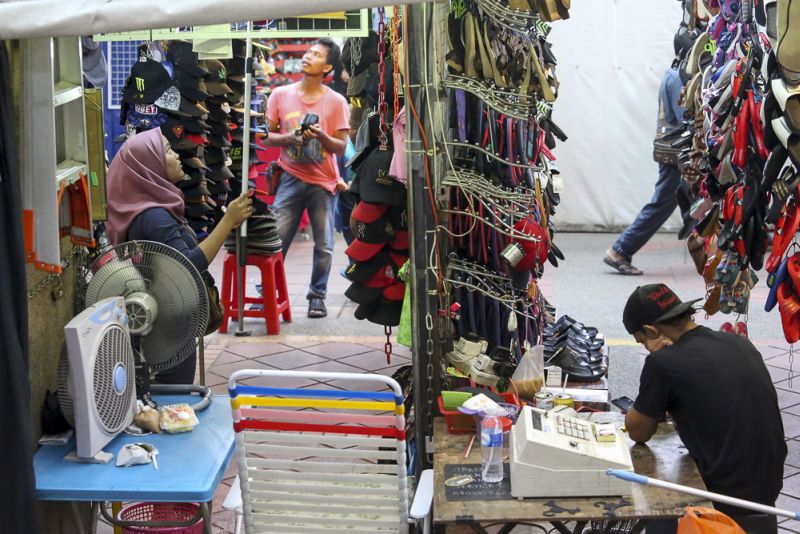


KUALA LUMPUR, Sept 12 — Named after the mosque found in the area, Jalan Masjid India was — and many people argue that it still is — the Indian-Muslim heart of Kuala Lumpur.
Decades ago, Indian-Muslim traders set up shop in the pre-war shophouses here and sold everything from ornaments to fabric to carpets. Mostly from India.
The three kilometre-long road forms the backbone from which branch out smaller roads like Jalan Bunus and Lorong Masjid India which are filled with shops, offices and restaurants.
Many of the family-owned businesses here have been handed down from generation to generation, making them experts in their trade.
Locals from near and far used to frequent the area to shop during festivals like Hari Raya and Deepavali, and even for weddings.
This is on top of the day-to-day commerce that made this one of the busiest roads in the city.
But over the years, things have changed and with it, the look and feel of the whole area. The decades-old shops have been renovated and replaced by big foreign retail chains and franchises with flashy signboards.
One example is jewellery shop Madras Jewellers from India which has three shops in the area.
While government-led efforts like the covered bazaar in front of Masjid India and the recent River of Life project have been aimed at boosting tourism and business, it has also attracted more outside investment.
A chat with several business owners here revealed that many of the old businesses had to close or sell their business as they were unable to maintain a sustainable profit margin.
Despite the crowd still thronging the area on a daily basis, not many spend on retail products that make up the profit margins of many merchants.
Former trader Rafiq Ahmad used to own a sari shop on the ground floor of the main street but had to swap the once lucrative business for a modest first floor sundry shop inside Selangor Mansion when his business hit a snag in recent years.
“We were in the sari business but it was low profit in the past few years. We had to change to ensure we stayed afloat.
“But even then business has been slow... not like before. We mainly service the shops downstairs and people who stay around the area,” he told Malay Mail Online when we visited his poorly-lit shoebox-size shop.
Many of his customers now are from India, Pakistan and Bangladesh; they live in Selangor Mansion or work around the area and buy staples like rice, flour, sugar and soap powder in small quantities from Rafiq.
He complained about how many of the big department stores in the area like Lulu Hypermarket from India and Haniffa Department Store have “robbed” him of customers.
According to him and a few other merchants, one of the reasons leading to old businesses closing down is the hike in property rentals in the area.
Some also blamed government imposed taxes, increased prices of raw items, shrinking of the ringgit and even bad economic times for people spending less at their stores.
Yet businesses from India like Madras Jewellers, Chennai Jewellers and Joyalukkas have opened shop here.
Local traders claim that rent for properties in the area increased exponentially in the past decade with a ground floor shoplot going for between RM25,000 to RM60,000 a month.
Three-room apartments above the shops around the mosque area cost between RM2,500 to RM4,000 a month.
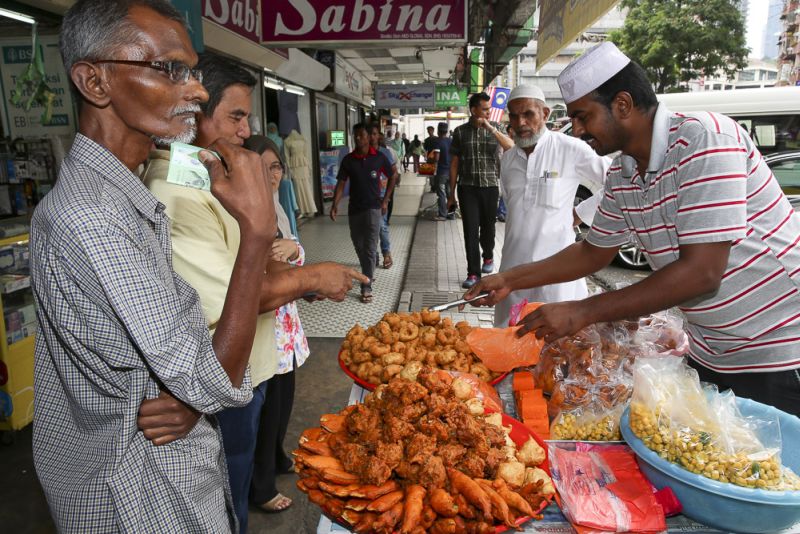
One Indian snacks vendor had to move from a shop where his father first set up the business almost 30 years ago to a humble roadside stall as he could no longer afford the rent.
“I took over my father's shop but today we have a company but no licence as we don't have a shop anymore... the rent here is too expensive,” Rahman Varusai told Malay Mail Online.
This, Rahman said, is despite his business still doing relatively well as he is able to sell out his snacks on a daily basis.
The 45-year-old now rents an apartment at Selangor Mansion where he and his two workers prepare an array of Indian snacks like vadai , samosas and onion fritters which get sold out by tea time.
Across the road, Abdul Rahman Abdul Bakar, the supervisor of a shop selling traditional Malay clothes beside the mosque said it is impossible for traders to pay such exorbitant rents and yet make a profit.
“We don't understand how you can make a profit... we can only raise prices so much. We charge GST also people get angry,” he said referring to the Goods and Services Tax introduced in 2015.
“We can barely break even but cannot make profit at all. (We are surviving) also because we own the shop. Imagine if we had to pay RM20,000 to RM25,000,” Abdul Rahman, who has been at the shop for almost 30 years, complained.
The 60-year-old suggested that this is why foreign traders have moved in and replaced the local businesses in the area, which have opted for cheaper rentals elsewhere.
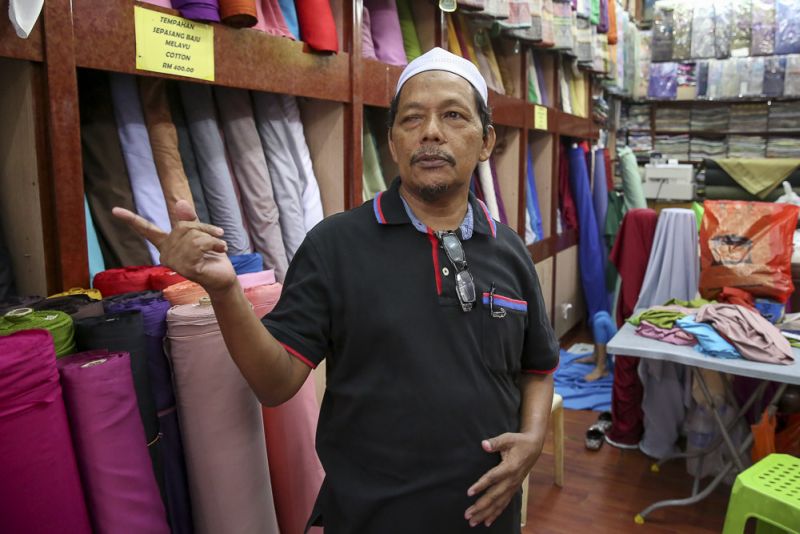
“There are many Pakistan and Bangladesh traders now. They are willing to rent expensive. How they get the money, I do not understand,” Abdul Rahman added.
A Dewan Bandaraya Kuala Lumpur (DBKL) enforcer meanwhile said many foreigners head over to trade here as the place is synonymous with celebrations like Hari Raya and Deepavali.
“People still want to rent because they think it is like the old days. But they don't realise most of the time it's idle... only during Raya there are a lot of people here,” the officer who has been DBKL for 13 years told Malay Mail Online.
DBKL recently announced plans for a major overhaul of the Masjid India area in order to turn it into a shopping haven like London’s Oxford Street.
This, however, has not been very well received by the traders and people here as they claim it was done without any prior consultation with them.
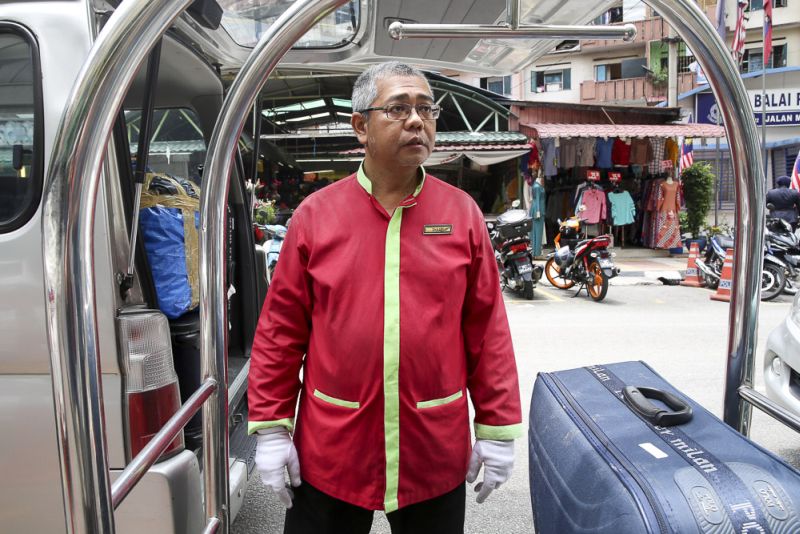
Shaari Mahathir, a hotel concierge for the past 17 years, said the work being carried out in the area is only going to make the place worst.
“This area is so small, it is always jammed. Now they want to do a mega upgrade... the whole area is going to be bad. They should do it elsewhere,” he added.
Abdul Rahman said projects like this should get the buy-in of stakeholders in the area first. If not, there is a danger that it will become a white elephant like the bazaar built here several years ago.
“We don't deny that if there is an upgrade it would attract people but they don't discuss it with us. Even the current bazaar was built without asking us. Even blocked the mosque from view, that is not nice,” he said.
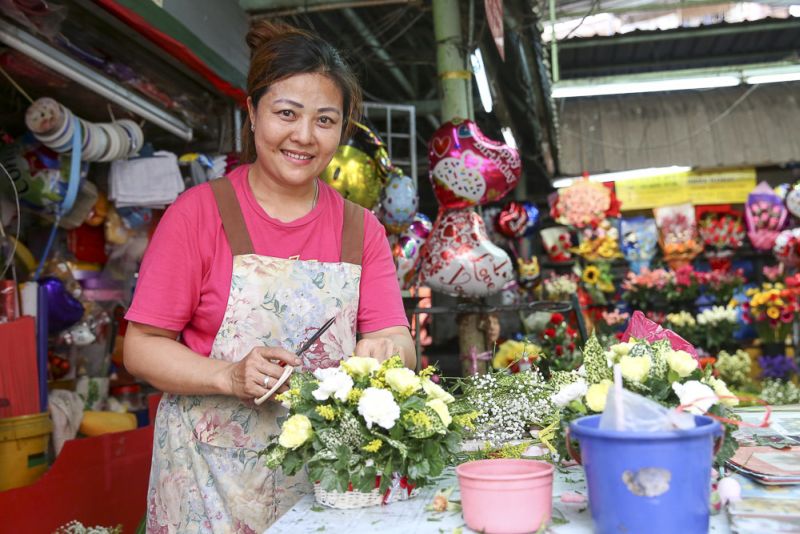
Florist Carol Low, however, remains unfazed by the changes in the area. Her main focus is on keeping her business going despite the increase in rent and GST which she claims has halved her profits.
“Business is very bad with GST and a lot of people don't want to buy as much. Customers don't spend... a lot of them take things on credit.
“Whether what they (DBKL) are doing is good or not, we have no say. They just come and do as they wish. Whatever it is, we have to cover ourselves and make sure we find a way,” said Low who has been running the flower shop for the past 20 years.