










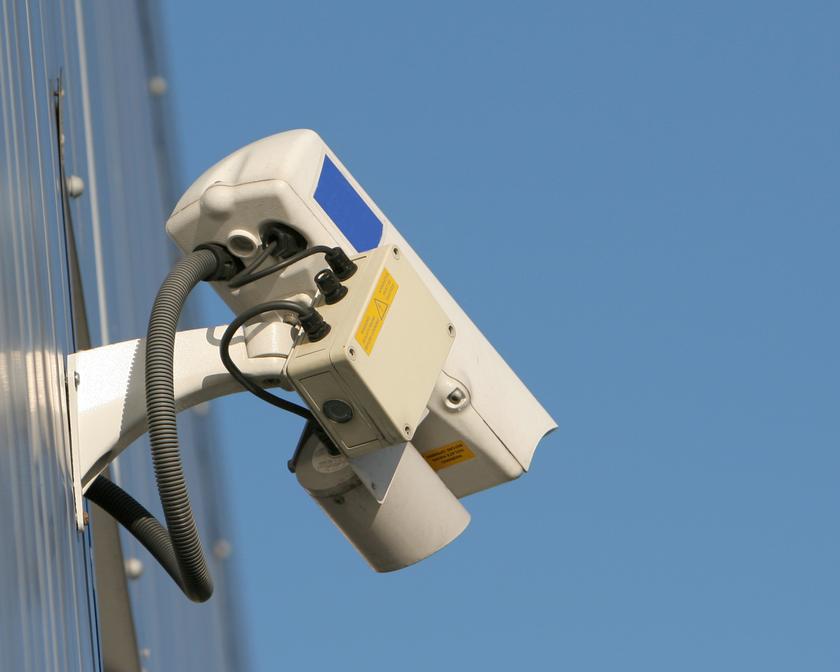


KUALA LUMPUR, Nov 12 — An additional 496 closed-circuit television (CCTV) cameras are being installed throughout the country in a bid to reduce crime, a minister said today in the wake of the recent abduction of a toddler in broad daylight.
While acknowledging the crime problem in Kuala Lumpur, Datuk Abdul Rahman Dahlan, minister of urban wellbeing, housing and local government, stressed that Malaysia was generally a peaceful country.
“As far as crime is concerned, my ministry has now embarked on the second phase of the installation of CCTVs in another 25 PBTs throughout the country,” Abdul Rahman told reporters at the Parliament lobby here today, using the initials for local councils.
“The majority of Malaysia is actually peaceful. The crime is low... to say that the whole of Malaysia is under threat is also not right. In my area, you can walk at 3 o’clock in the morning. Nobody’s gonna mug you,” added the Kota Belud MP, referring to his constituency in Sabah.
Abdul Rahman also said that aside from CCTVs, the federal government was looking at redesigning buildings to cut crime, such as eliminating dark alleys, which he called “crime prevention through environmental design”.
A British toddler was snatched from his home in Bangsar here in front of his mother last Friday at about 6.20pm, renewing public fear of rising crime in the city.
Freddie Joseph, aged 20 months, was found unharmed less than 24 hours later.
The abduction of school teacher Sarah Joseph’s child occurred despite a CCTV at her neighbour’s house in the affluent neighbourhood.
Public confidence in private security at housing areas, condominiums and banks has also been shaken with recent cases of guards going rogue, robbing and even shooting dead their employers.
When asked if there should be more patrols on the streets, Abdul Rahman stressed that crime could only be combated by residents working together with the police.
“Crime will never be eradicated 100 per cent,” said Abdul Rahman, who is also the Sabah Barisan Nasional (BN) secretary.
“It cannot just be the police; also the residents’ association, neighbourhood watch, everybody,” he added.