












KUALA LUMPUR, Oct 31 — Espionage conducted in a foreign mission is a fairly common practice by a handful of countries, according to an intelligence expert today, barely a day after it was revealed that Australia had been spying on several Asian nations.
The Sydney Morning Herald (SMH) quoted Prof Desmond Ball as saying that this has been the case for decades in Australia, where foreign embassies based out of Canberra have been conducting intelligence operations since the era of the Cold War.
“Everyone knows embassies are used for this sort of purpose,” he said during an interview on the Breaking Politics programme, run by SMH’s parent company Fairfax Media.
Yesterday, the SMH reported that Australia had engaged in espionage activities in several Asian countries, intercepting calls and internet data, based on information disclosed by American intelligence whistleblower Edward Snowden and a former Australian intelligence officer.
It is believed that the clandestine surveillance facilities were set up and operated without the knowledge of most Australian diplomats.
The controversy comes hot on the heels of global outrage over the revelation that the United States’ National Security Agency (NSA) had been eavesdropping on foreign leaders, including German Chancellor Angela Merkel.
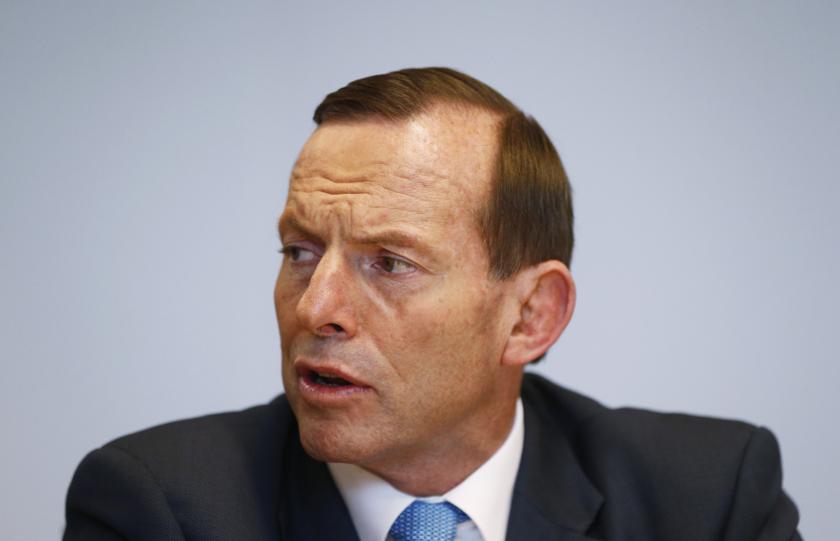
Australian Prime Minister Tony Abbott has since distanced his administration from the scandal, stating today that they would not be drawn on the government’s intelligence practices, according to the SMH.
“Well the thing about every Australian governmental agency is that we all operate in accordance with the law ... And that’s the assurance I can give people,” he told reporters in Melbourne.
“As for the precise workings of our intelligence organisations it’s been a longstanding practice not to comment on them.”
Nations the world over have reacted with indignation after it was revealed that the US had been employing an extensive intelligence network to tap into telephones and communications lines in numerous countries, including Malaysia.
Opposition leader Datuk Seri Anwar Ibrahim today said that Malaysia must lodge a strong protest with the US and Australia for snooping, just as done by neighbours Indonesia and Thailand.
He said Putrajaya’s delay in registering its protests against the two global economic giants would not bode well for Malaysia’s sovereignty, as it only shows “meekness” of the country’s leadership.
Yesterday, Home Minister Datuk Seri Ahmad Zahid Hamidi said the government would “study” the espionage claims before deciding on its next course of action.
Fellow cabinet minister Datuk Seri Ismail Sabri Yaakob had earlier criticised the US for using its Kuala Lumpur-based embassy here to tap telephones and monitor communications networks, calling it “immoral” and deserving of protest by Malaysia if proven true.
Ismail said Putrajaya should immediately send a protest note to Washington, though adding that Cabinet will have the last say on the matter.