


JOHANNESBURG, April 1 — South Africa’s western coastline is known for its wildflowers, archaeological sites and pristine beaches, but for mining companies, the real attraction is not what you can see, it’s what you can dig up.
Large parts of the coastline are already being actively mined or reserved for prospective mining.
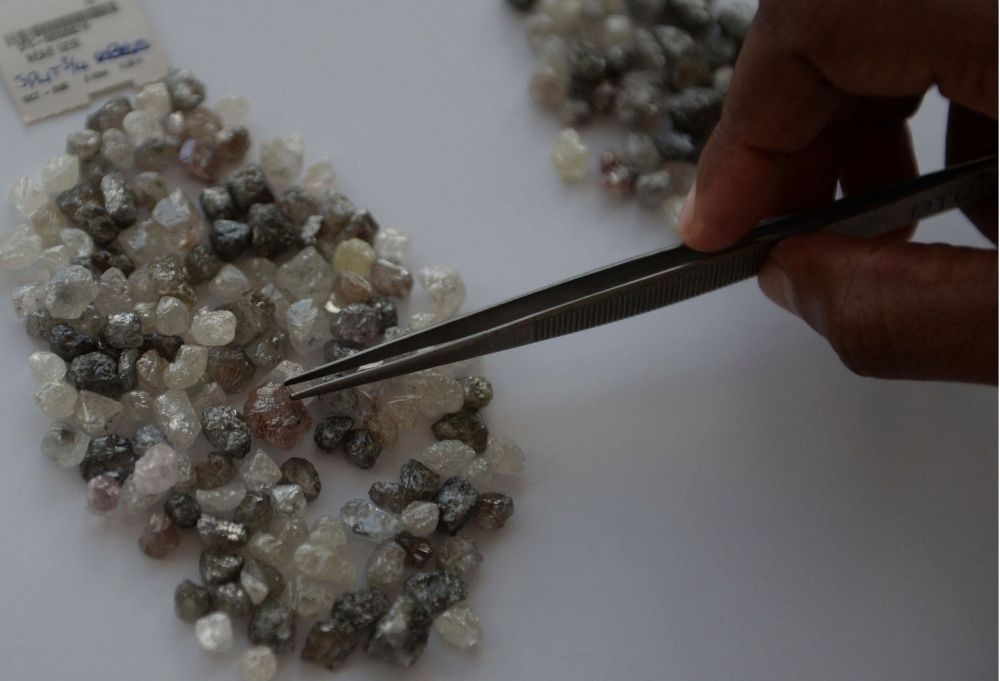
According to the civil society group Protect the West Coast (PTWC), South Africa's West Coast is being mined and prospected for heavy minerals, diamonds and rock phosphate, with 48 new mining applications submitted in 2026 alone.
The Department of Mineral and Petroleum Resources (DMPR) said these figures did not align with its own and stated that six prospecting rights applications had been received, with three accepted, alongside two mining permit applications.
The DMPR did not provide clarity on the exact region they were referring to.
Local groups including artists, indigenous leaders and scientists have launched campaigns, petitions and legal action in recent months citing the potential risks of mining the area.
“The West Coast is at a tipping point. We risk losing birds, animals and ecosystems that cannot be restored,” said Mike Schlebach, managing PTWC.
Heavy minerals such as zircon, rutile and ilmenite can be used in renewable energy technology such as solar panels and wind turbines.
Global demand for these so-called green minerals needed in the energy transition is set to nearly triple by 2030, according to the International Energy Agency.
“There is this mad dash for rare earth and critical minerals, but there has to be proper oversight so that the poorest communities are not left behind,” Schlebach told the Thomson Reuters Foundation.
Inland, 1,800 square kilometres have been earmarked for diamond mining, with up to 2,900 square kilometres in the Western Cape reserved for prospecting, according to PTWC.
Currently, the equivalent of 5,000 football fields — roughly 37.5 square kilometres — has not been rehabilitated to an environmentally healthy state on the West Coast following decades of mining, a PTWC report said.
Open pits, craters, dust and barren slopes of sand indicate decades of unrehabilitated diamond mines in the region.
The DMPR said it could not confirm this figure and that closure certificates were only issued once mining companies complete rehabilitation following an inspection.
Only 10 per cent of the region is currently protected and the region is home to more than 6,300 endemic plant and animal species, according to PTWC.
The department said expert studies and recommendations helped determine whether environmental authorisation was granted and under which conditions to mining companies.
“We need to be careful about what type of development occurs and how that development takes place,” said University of Cape Town restoration botanist Peter Carrick.
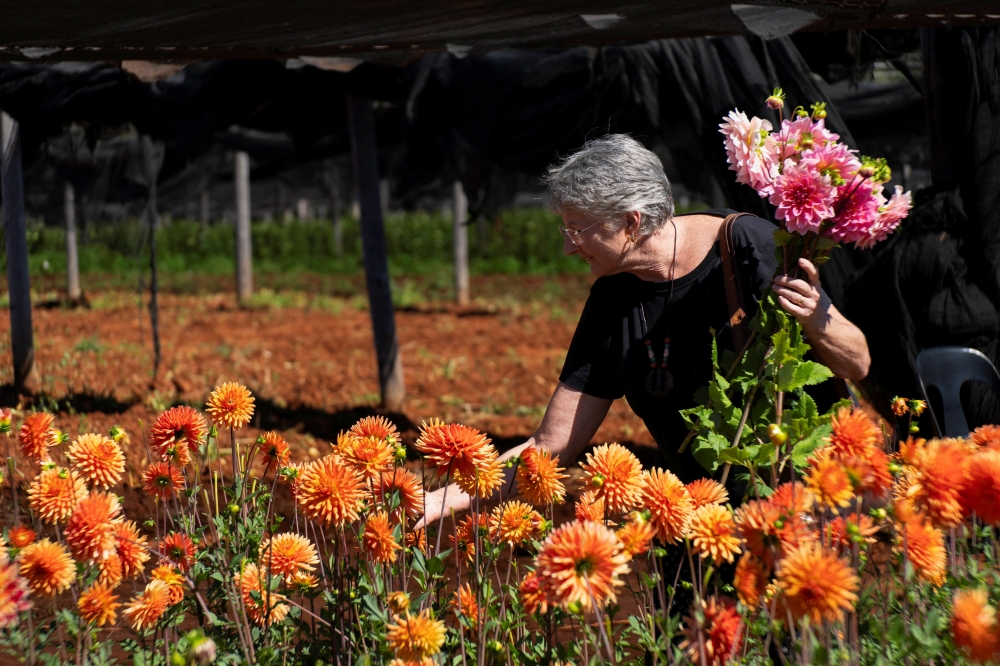
“This is a uniquely beautiful landscape which is also incredibly fragile,” he said.
Natural heritage
Alongside the West Coast's biodiversity, the region also holds significant value for indigenous groups with ties to archaeological and heritage sites, as well as smallscale fishers.
More than 200 protesters gathered this month to challenge the surge in mining interest in the region, alongside a five metre driftwood sculpture of a gannet bird made by a local artist to symbolise the fragility of the native bird species in the region.
A petition to protect the region from mining has drawn more than 60,000 signatures.
“Our people have lived here for thousands of years,” said Gaob Martinus Fredericks, leader of the indigenous !Ama (Nama) people.
“We understand the value of our natural heritage and we want to safeguard our children's livelihoods as well as our own.”
Fishermen groups said they had seen a decrease in the fish population over the years that mining had become more prevalent.
“You can see how this has damaged our ecosystems. The snoek runs are fewer now,” said Carmelita Mostert, chairperson of Coastal Links South Africa, small-scale fishers organisation, referring to a type of mackerel in the southern hemisphere.
Legal challenges
South Africa's constitution outlines that any mining company must engage in meaningful community consultation before going ahead with a project. Failure to do so can lead to a legal dispute.
PTWC launched an app called Ripl in October 2024 to allow people to submit their comments, objections and appeals linked to mining projects to government and the mining companies directly.
There are also ongoing plans to keep using the legal system to challenge mining companies that do not take social and environmental risks into consideration, Schlebach told the Thomson Reuters Foundation.

They are calling for an urgent moratorium on all prospective mining until a comprehensive social and environmental assessment of this coast is completed.
“We are not anti-mining, but it has to be done in accordance with the law and it cannot be the only industry to have a home on the West Coast,” said Schlebach. — Reuters


