


SEPTEMBER 30 — Inflation is often discussed through percentages and economic indicators, but for ordinary consumers, it is experienced in much more familiar ways. It can be seen in the amount paid for groceries, the cost of eating out, the monthly utility bill or the money spent on daily transportation. These everyday expenses shape how households manage their budgets and make purchasing decisions.
Malaysia’s latest Consumer Price Index figures provide a useful reminder of these changing circumstances. According to the Department of Statistics Malaysia, Malaysia’s inflation rate increased slightly to 1.9 per cent in August 2026, compared with 1.8 per cent in July. Transport recorded a 2.0 per cent increase, while food and beverages rose by 1.9 per cent. Housing, water, electricity, gas and other fuels increased by 2.1 per cent, while restaurant and accommodation services also recorded a 2.1 per cent increase.
These figures should not necessarily be interpreted as a reason for consumers to become anxious. Instead, they offer an opportunity to think more carefully about how we spend our money and how we respond when prices change.
Understanding what inflation means for consumers
One important point that is sometimes overlooked is that inflation does not mean every product or service becomes more expensive at the same rate. The Consumer Price Index represents a basket of goods and services, and movements differ across categories. Some prices may increase more quickly, while others remain relatively stable.
This matters because every household has a different spending pattern. A household that spends a large proportion of its income on transportation may feel the effect of price changes differently from one that spends more on food, education or other services. The headline inflation rate therefore provides an important national picture, but individual households may experience changes in their cost of living differently.
Understanding this distinction can help consumers avoid reacting to inflation based solely on general perceptions. Instead, they can pay closer attention to the categories that actually account for a significant share of their own household expenditure.
Changing how we make purchasing decisions
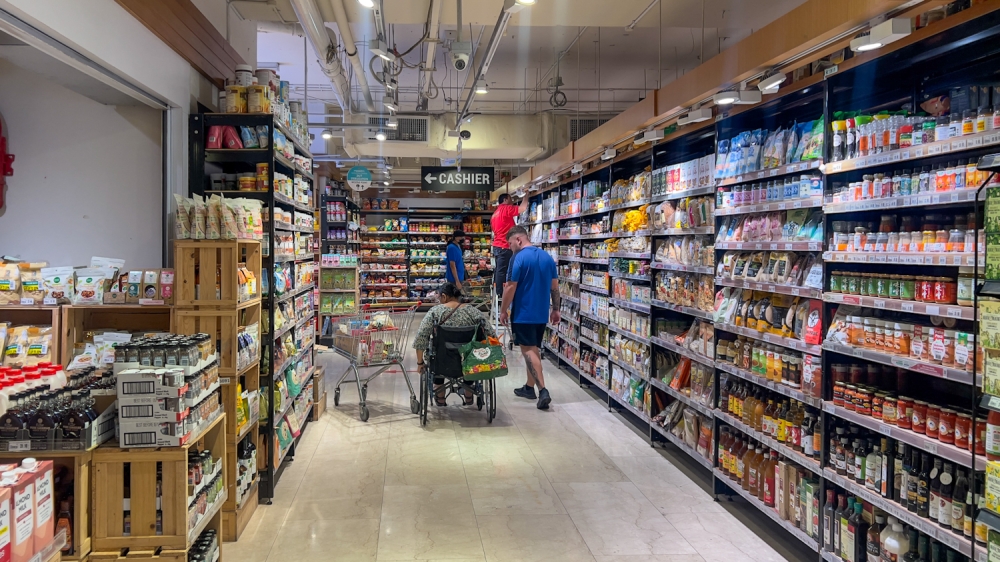
When prices change, consumers naturally adjust their purchasing decisions. Some compare prices before buying, while others switch to alternative products or reduce spending on items they consider less important. Some may postpone purchases until they are more confident about their financial position.
These responses reflect the ability of consumers to adapt to changing economic circumstances. However, becoming a smarter consumer does not necessarily mean choosing the cheapest product available. Price is only one part of the value equation. Quality, durability, usefulness and convenience also influence whether a purchase represents good value.
A product that appears inexpensive at the point of purchase may not necessarily be the better choice if it has to be replaced frequently. Likewise, a large discount may appear attractive, but it does not represent a saving if the product was never needed in the first place.
Consumers therefore need to look beyond the promotional price and consider whether the purchase genuinely adds value to their household.
From price awareness to smarter consumption
This is particularly relevant in an environment where consumers are constantly exposed to promotions and purchasing stimuli. The ease of making a purchase can sometimes encourage decisions that are driven more by emotion or urgency than by actual need.
Taking a moment to consider whether an item is necessary, whether there are suitable alternatives and whether the purchase fits within the household budget can make a meaningful difference.
Price comparison has also become much easier. Consumers can obtain information from different sources before deciding where and what to buy. This creates an opportunity for consumers to become more informed and less dependent on a single price or seller.
At the same time, consumers should remember that the lowest price is not always the best value. Quality, durability and usefulness remain important considerations, particularly for products that are expected to be used over a longer period.
Households can also benefit from paying closer attention to their own spending patterns. Reviewing monthly expenditure can reveal where money is being spent and whether some purchases are recurring simply out of habit. Small changes in everyday spending can sometimes have a greater impact than occasional attempts to make major reductions.
Building a more informed consumer culture
This does not mean that consumers should stop spending or avoid purchases that bring enjoyment. Consumption is an important part of everyday life and contributes to economic activity. The more meaningful objective is to encourage consumption that is intentional and appropriate to individual circumstances.
Consumer literacy therefore becomes increasingly important. A financially aware consumer is better equipped to understand prices, evaluate promotions, compare alternatives and distinguish between genuine value and attractive marketing.
There is also a role for businesses in supporting informed consumption. Clear pricing, transparent product information and meaningful promotions can help consumers make better decisions. When businesses communicate value clearly, consumers are better positioned to assess products and services based on their actual needs.
The latest inflation figures should therefore be viewed as more than just another economic statistic. They provide an opportunity for consumers to reflect on how they respond to changes in prices and whether their purchasing habits remain aligned with their financial priorities.
Rather than responding to inflation with panic, consumers can respond with greater awareness. Comparing prices, planning purchases, considering quality and avoiding unnecessary impulse buying are simple practices, but together they can encourage healthier consumption habits.
Inflation may be measured in percentages, but its impact is ultimately reflected in everyday decisions. The way consumers respond to changing prices can influence not only household spending but also broader patterns of consumption.
When prices rise, smarter choices do not necessarily mean spending less. They mean understanding what we are buying, why we are buying it and whether the purchase provides genuine value.
In that sense, inflation can serve as a useful reminder that being a smart consumer is not about avoiding consumption. It is about making consumption more thoughtful, informed and purposeful.
* Dr Nurul Fardini Zakaria is a senior lecturer in marketing at the School of Business Management, Universiti Utara Malaysia (UUM).
** This is the personal opinion of the writers or publication and does not necessarily represent the views of Malay Mail.


