


SEPTEMBER 7 — The graduation ceremony is over. The robe is returned. The mortarboard comes off. A fresh graduate walks out of the university gates, degree in hand and a new question waiting:
“Am I really ready for the world of work?”
In today's rapidly changing Malaysian workplace, employers are looking beyond academic results. They want graduates who can communicate, collaborate, solve problems, adapt to change, think critically and make sound decisions—even when the answer is not found in a textbook.
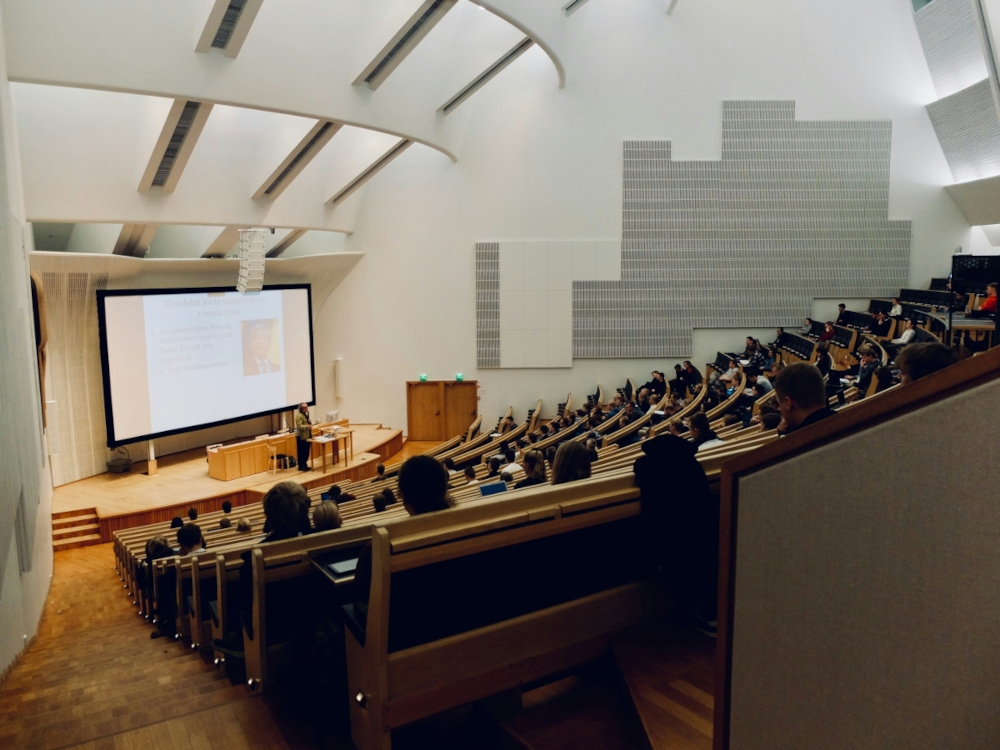
As Malaysia moves towards a more digital, technology-driven and high-value economy, the expectations placed on fresh graduates are changing. A university degree remains important, but academic qualifications alone may no longer be enough to ensure that graduates are ready to navigate the complexities of the modern workplace.
The Malaysian workforce is entering a period of significant transformation driven by artificial intelligence (AI), digitalisation, automation and the growth of high-value industries. The Ministry of Human Resources (KESUMA), referring to the World Bank’s 2026 Malaysia Economic Monitor, has emphasised the importance of developing a workforce with skills that are responsive to industry demand, particularly in AI, digitalisation and high-value sectors.
And increasingly, they want something that cannot simply be taught through a lecture which is a “character”. This is where Values-Based Education (VBE) takes centre stage. VBE seeks to integrate values into the learning experience so that students develop not only what they know and can do, but also how they think, behave, and make decisions.
When knowledge meets character
For years, universities have focused on one fundamental question: What should students know?
Today, another question has become equally important:
“What kind of person should a graduate become?”
Therefore, VBE responds to this question by bringing values into the heart of teaching and learning. Students are encouraged to develop not only knowledge and technical competencies, but also integrity, ethics, responsibility, transparency, awareness, empathy and respect.
The philosophy is simple: a graduate should not only know what to do but also understand why it matters and how to do it responsibly. For Malaysia, the goal is therefore no longer simply to produce job-ready graduates but to produce graduates who are future-ready and values-driven. Hence, “Graduation is not the end of learning, but it is the beginning of impact.”
“With knowledge in their minds, skills in their hands and values in their hearts, today's graduates can become the professionals, leaders and changemakers that Malaysia needs tomorrow.”
*Siti Noorjannah Abd Halim is senior lecturer in the Human Resource Management Program, School of Business Management, College of Business, Universiti Utara Malaysia (UUM).
**This is the personal opinion of the writer or publication and does not necessarily represent the views of Malay Mail.


