


OCTOBER 22 — In the wake of high-profile school violence cases, the phrase “Syukurlah Malaysia masih aman (Thank goodness Malaysia is still peaceful)” feels a little shakier. Many are rightly shocked and concerned for our children. Having physical and online discussions and sharing information feels helpful, but where do we draw the line between solidarity and sensationalism?
Amidst the most recent case in Kuching, I strongly urge the public to stop spreading photos or videos of school violence incidents and the media to practise ethical, non-sensationalist reporting to prevent the social contagion effect, which may lead to copycat incidents.
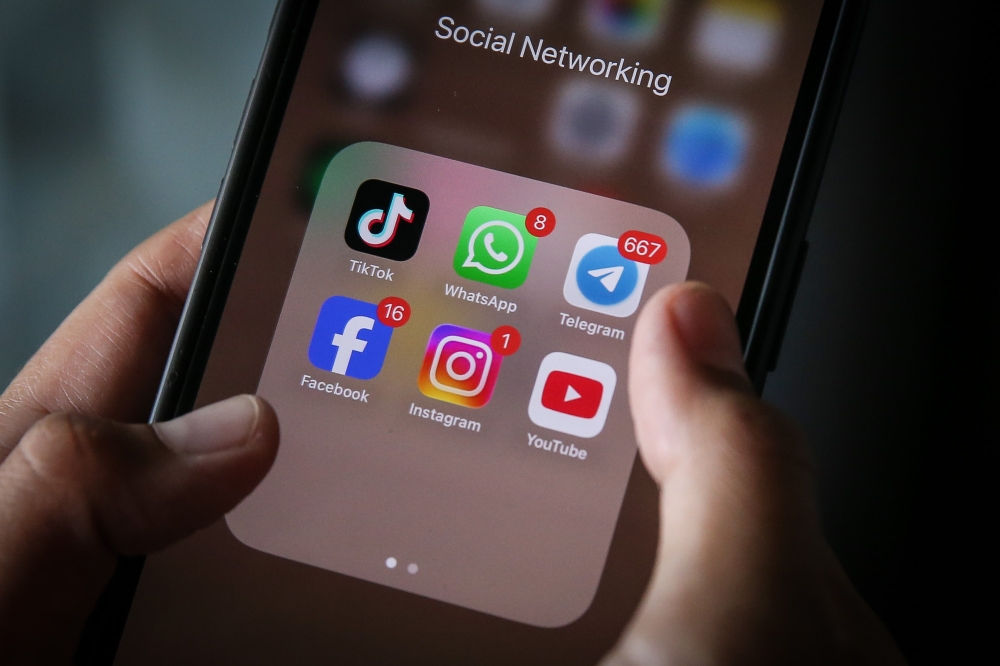
What is social contagion?
Social contagion is a psychological phenomenon where behaviours, emotions, or ideas spread quickly and spontaneously through groups, often without individuals being aware of the influence. The social contagion theory helps explain how group dynamics and social trends are shaped.
In the United States (USA), there have been numerous studies on whether mass media coverage influences mass shootings. A 2015 study found that mass killings involving firearms (including school shootings) were motivated by similar events in the immediate past. On average, this temporary increase in probability lasts 13 days. Outside this period, perpetrators of particularly horrific massacres like Virginia Tech, Sandy Hook, and Umpqua Community College clearly cited mass killers before them as inspiration for their attacks.
As ethical, non-sensationalised reporting was adopted in the USA to stem a wave of teen suicides in the 1980s, experts have called for a similar approach to gun violence. Besides stricter gun laws, campaigns like the “Don’t Name Them” movement have urged the media and the public to stop profiling or sensationalising the shooters and focus on victims and survivors so that the shooters do not get the fame they seek.
Although guns are difficult to obtain in Malaysia, anything can be a weapon if misused with intent and sufficient force. Metal detectors, police presence, CCTVs, and the rotan will only provide a false sense of safety if we fail to address the core reasons for school violence.
When sharing is not caring
After the Kuching case, I was very disheartened to find social media posts with hashtags like #viralkan and #fyp. These hashtags boost the post’s algorithm, making them appear on people’s feeds. They exploit legitimate shock and concerns on school safety, which generate the “Likes” and “Shares” and sometimes, income for the poster.
Even when it is well meant, we can discuss school violence without publicising the perpetrator’s livestream of the attack or manifesto. The Malaysian Communications and Multimedia Commission (MCMC) can only do so much. Despite their user policies, social media platforms do not have strong incentive to remove content because their business models thrive on outrage and virality.
We say that children are susceptible to the influence of social media; social contagion explains that adults are not immune. So, we must confront ourselves: are we sharing because we really care or because our brains thrive on the endorphin rush from online validation?
In the age of virality and artificial intelligence (AI), Malaysians must do the same: stop sharing school violence photos and videos. Let’s get off our devices, let’s get down to business, and deal with the hard issues to stop school violence.
Lim Yi Wei
Kampung Tunku State Assemblyman (ADUN)
* This is the personal opinion of the writer or publication and does not necessarily represent the views of Malay Mail.


