













NEW DELHI, June 24 — The Great Himalayan National Park Conservation Area (GHNPCA) located in Himachal Pradesh, India and known for its exquisite floral and faunal biodiversity is now on the UNESCO World Heritage site list.
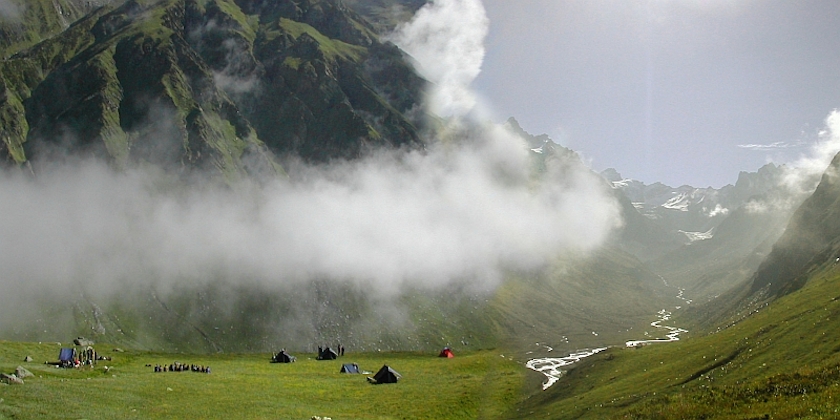
Spread over 905.40 sq km, GHNPCA includes the upper mountain glacial and snow melt water source origins of the westerly flowing JiwaNal, Sainj and Tirthan Rivers and the north-westerly flowing Parvati River.
Situated at the confluence of Oriental and Palaearctic realms, Great Himalayan National Park (GHNP) provides a unique opportunity for the species from both biogeographic regions to thrive, disperse and evolve.
“GHNPCA is home to several Rare and Threatened species including the Western Tragopan, Chir Pheasant, Snow Leopard, Himalayan Musk Deer, Asiatic Black Bear, Himalayan Tahr, Blue Sheep and Serow,” India’s Ministry of Culture said in a statement.
There are also some 25 threatened International Union for Conservation of Nature Red-listed plant species recorded from the park, said the statement.
Among the criteria to be inscribed on the list is that the place should contain the most important and significant natural habitats for in-situ conservation of biological diversity, including those containing threatened species of outstanding universal value from the point of view of science or conservation.
The GHNP has more than 35 peaks of greater than 5,000m and two greater than 6,000m, which taken together are arguably more exceptional than a few isolated higher peaks in the region.
The recognition for the GHNP, believed to be India’s richest biodiversity spot in the western Himalayas, came at the World Heritage Committee Session currently on at Doha, Qatar.
Initially constituted in 1984, GHNP was formally declared a National Park in 1999, covering an area of 754.4 sq kms, according to the park’s official website.
On Sunday, ‘Rani-ki-Vav’, an 11th century stepwell in Gujarat earned the coveted status.
There are already 30 World Heritage Sites in India — 24 Cultural sites and six Natural properties. After inclusion of ‘Rani ki Vav’ and the GHNP, the list would now grow to 32. — Bernama