














LOS ANGELES, June 11 — Nearly 20 per cent of homes now use some sort of set-top box for viewing media on their TVs and the popularity of the devices is continuing to grow.
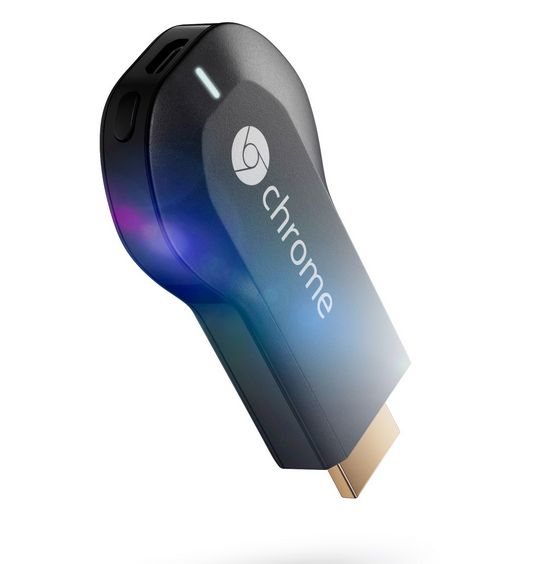
However, it appears that consumers are not so impressed with Google’s Chromecast. According to Parks Associates, although use of streaming devices is on the rise — only 14 per cent of US homes used the gadgets two years ago — those homes with a Chromecast connected to their TVs — 6 per cent — are using the device less and less.
Just over half (57 per cent) of US Chromecast owners now use the device at least once a month to view web pages on their TV — down from 76 per cent of users six months ago. And the number of people who use the device for streaming video is also dropping off, though at 73 per cent (down from 78 per cent) the drop is not so steep.
“Streaming media players are starting to play a bigger role in home entertainment, but interest in new entry Google Chromecast is waning,” said John Barrett, director, Consumer Analytics, Parks Associates. “Streaming media players, thanks to their ease-of-use, trail only game consoles and smart TVs as the most frequently used streaming media device in the home. By contrast, only about 22 per cent of Chromecast owners say it is the most frequently used streaming device in their home.”
One of the reasons that the novelty of the Chromecast is wearing off is because it in a state of constant flux. It launched at an extremely low price point — less than US$40 (RM128) — but offered only basic features, such as mirroring a smartphone or tablet’s display on a TV.
As time moved on, Google has rolled out new features for the little dongle, some of which, like live editing of photo albums and group gaming, are pretty ingenious.
However, devices like the Roku box, the Apple TV and now Amazon’s Fire TV, which launched in April, come straight out of the box with a host of established features and access to a host of services, from Netflix and Hulu to YouTube and a host of games as well TV content.
“As consumers add new devices to their home, the usage habits in the home change and adapt to the new device, its benefits, and its capabilities,” said Brett Sappington, director, research, Parks Associates.
“Chromecast was introduced last summer. Given the low price, many consumers purchased one and began experimenting with it, producing high initial use. Over time, however, owners developed a better understanding of Chromecast’s usefulness and appropriate niche in the video-viewing environment. Some continue to use Chromecast regularly, while others are choosing different options to get online video to their televisions.”
Parks Associates’ research, “360 View: CE Adoption and Trends”, also notes that the popularity of smart and Internet-connected TVs is also growing and over one-third of US homes now have at least one television that connects natively to the net for extra content and features.
Connected TV is expected to be one of the next major tech battlegrounds as more companies compete for consumers’ undivided attention in the living room.
Apple is widely expected to launch a significantly overhauled Apple TV set-top box this year with a serious focus on gaming. Some tipsters suggest that it will have motion sensors like the Xbox Kinect system. And at this week’s E3 show, Sony announced that it is rolling out its PSTV micro console and streaming box to European and US customers.
Initially launched as the Vita TV in Japan in November, it is aggressively priced — just €99 (RM431) or US$99 — and offers users access to a host of PlayStation games via the cloud as well as videos, TV shows, films and music. — AFP-Relaxnews