


APRIL 5 — A 16-year-old boy uploaded a video on YouTube last week. In it he rants and reports on various observations about the state of Singapore, its political leaders and draws thoughtless comparisons between said leaders and religious icons.
Already, this is content that is designed to get people talking.
Except this isn’t any ordinary week and this isn’t any ordinary political leader.
This is the week a nation is in mourning and the leader in question is the recently deceased, much admired Lee Kuan Yew.
So, it comes as no surprise that the video spread like wildfire — and it wasn’t long before the outraged comments converted into outraged citizens reaching out to their friendly neighbourhood policeman to register their offence at this character whose video they were forced to watch by virtue of it simply existing.
Now, the boy is awaiting trial after having been arrested and charged under Section 298 and Section 292(1)(a) of the Penal Code, as well as Section 4(1)(b) of the Protection from Harassment Act.
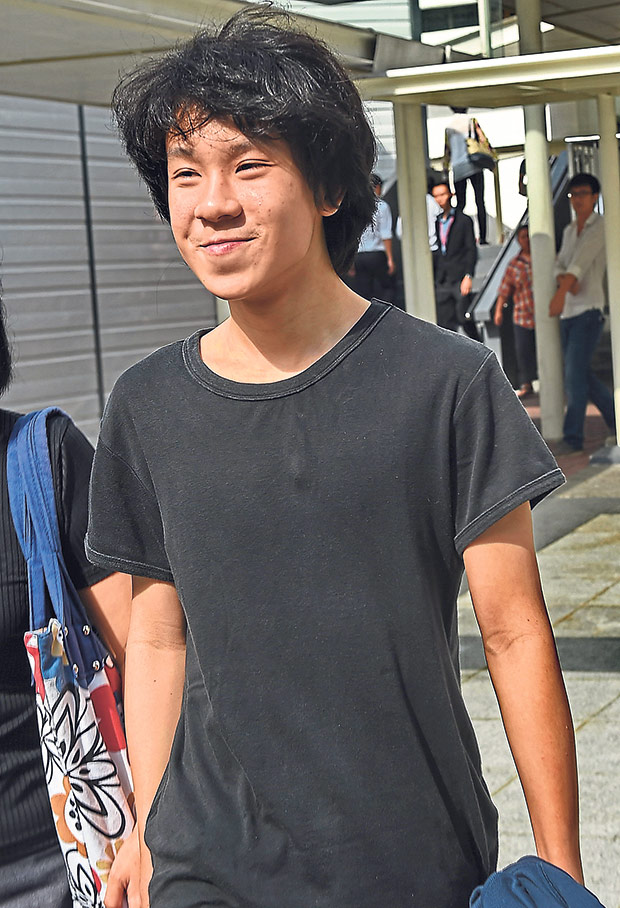
For the first charge under Section 298, the charge sheet stated that the YouTube video created by Yee “contained remarks against Christianity, with the deliberate intention of wounding the religious feelings of Christians in general.”
As for the Protection from Harassment Act charge, Yee’s video “contained remarks about Mr Lee Kuan Yew which was intended to be heard and seen by persons likely to be distressed” by the clip, according to the charge sheet and as reported by Channel News Asia.
Since, there has been — hearteningly — a strong pushback online questioning if this was necessary with some speculating that the young Amos Yee may need psychological support more than punishment.
I am not interested in wondering aloud about why Amos Yee did it — what his motivations were, his mental state (which seems like an impolite thing to wonder about strangers, leave alone 16-year-old strangers).
What I am fascinated by is the motivations of the individuals who were so aggrieved by an amateur video made by a child that they would resort to relying on the resources of the state to correct this perceived injustice.
It reeks of the pitfalls of a “nanny” state — where every upset needs to be soothed over by the government.
Or as Singaporean playwright Alfian Sa’at eloquently summed it up: It reminds me of the auntie who sees the hunky neighbour opposite her block walking around naked in his own house, takes out her binoculars for a closer look, gets all hot and
bothered, still continues watching until the guy puts on some clothes, and then calls the police to complain that someone was flashing his private parts at her.
I agree. It’s simple. If you don’t like it, don’t watch it.
*This is the personal opinion of the columnist.


