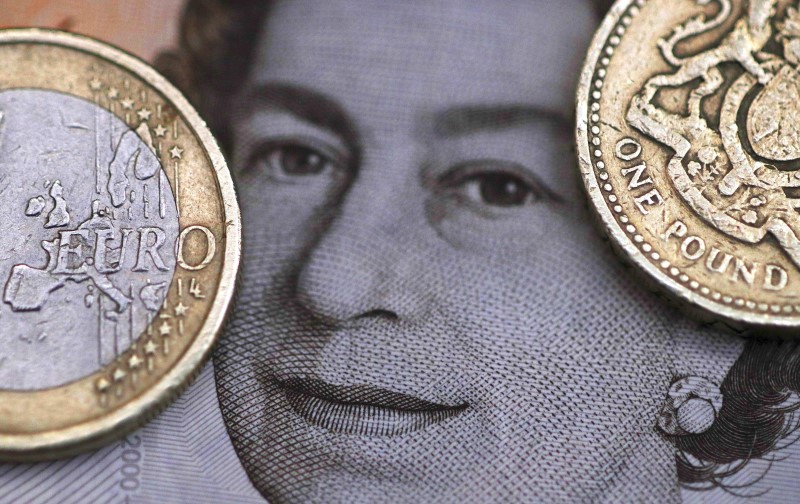
















LONDON, April 20 — Sterling hit its highest in more than six weeks against the dollar today with the greenback’s continuing decline and a positive surprise from labour market data out of Britain lending support to the currency.
The pound crossed the US$1.40 (RM5.76) mark for the first time in nearly a month on Monday, rising 1 per cent as it benefited from a broadly weakening dollar that took a hit as risk sentiment returned and volatility slumped in global markets.
It extended gains to touch its highest since March 4 at US$1.4009 early today before reversing course to stand flat against the dollar by 0800 GMT, and 0.3 per cent lower to a strengthening euro at 86.25 pence.
Petr Krpata, chief EMEA FX and interest rate strategist at ING, said cable was benefiting from the double tailwind of a post long-squeeze rebound after a positioning adjustment earlier in March and the rising euro/dollar.
“We look for sterling/dollar to move persistently above US$1.40 this quarter, while euro-sterling should move back to the 85 pence level. With the UK data likely to be strong this quarter — facilitated by the fast vaccination and the reopening effect — sterling is set to find support.”
Speculators’ net long position on the pound versus the dollar rebounded in the week to April 13 after slipping to its lowest since February in the previous week, futures data from CFTC showed.
Sterling is correlated with global growth and typically tends to benefit from positive risk sentiment. It has been among the best performing in the ‘G10’ group of currencies this year as investors hope Britain’s rapid pace of vaccinations will lead to a strong economic rebound from the country’s worst economic contraction in 300 years.
Data on Tuesday added further signs the economy is recovering. Britain’s unemployment rate unexpectedly fell for a second month in a row to 4.9 per cent in the December-to-February period, most of which the country spent under a tight Covid-19 lockdown, official figures showed.
Most economists polled by Reuters had forecast that the unemployment rate — which has been held down by the government’s huge job subsidies plan — would edge up to 5.1 per cent from 5.0 per cent in the three months to January.
Investors will watch for inflation data due out of Britain tomorrow and retail sales data due on Friday for further signs of the economy’s health. — Reuters