


KUALA LUMPUR, Oct 26 — With haze conditions continue to affect parts of the country, mental health experts warn that spending prolonged periods indoors can take a toll on mental health and overall wellbeing.
With the haze persisting since early August, many people have become reluctant to engage in outdoor activities, while some have even cancelled social gatherings and cut back on their usual social interactions.
However, these seemingly minor changes, such as avoiding outdoor activities and cancelling social plans, can gradually disrupt people’s daily routines and behaviour, potentially affecting their mood, sleep and overall wellbeing.
Experts, who spoke to Malay Mail, believe that prolonged periods indoors may contribute to frustration, irritability, anxiety, low mood and feelings of isolation.
The toll on mental health
Brian John Dorai, a registered counsellor and senior lecturer in the School of Education, Humanities and Social Sciences at Wawasan Open University, said prolonged haze and indoor confinement can significantly disrupt emotional stability.
“Psychologically, the lack of fresh air and environmental freedom triggers feelings of claustrophobia, irritability, and sometimes even cabin fever, often amplifying anxiety and low mood due to a sense of being trapped, especially for those who dare not open their windows and doors due to anxiety related to the haze,” he said.
He said people may experience behavioural changes when the haze persists for several days or weeks.
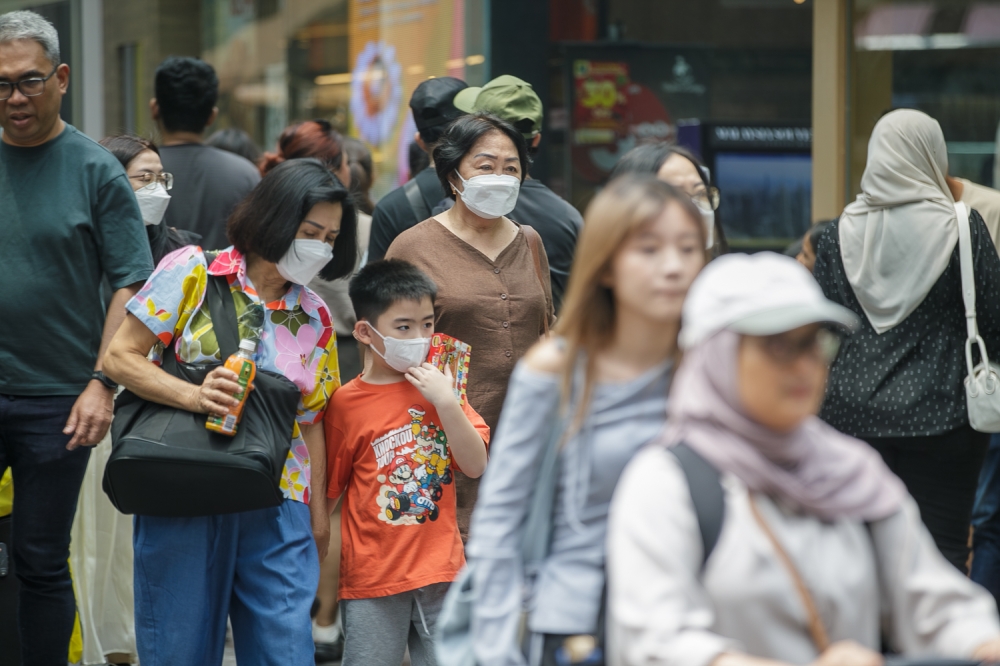
“Individuals often exhibit heightened irritability, lethargy, loss of motivation, restlessness, increased screen time, and a tendency to withdraw socially even within the household, when haze persists for weeks,” he said.
Less daylight and exercise can disrupt sleep
Brian also said reduced physical activity, exposure to natural daylight and social interaction could affect sleep and emotional wellbeing.
“Cutting back on physical movement lowers endorphin levels, while reduced natural sunlight disrupts circadian rhythms and vitamin D synthesis, directly impairing sleep architecture, energy levels, and emotional regulation,” he said.
He explained that poor sleep resulting from these disruptions could affect concentration, productivity, mood and the ability to regulate emotions.
“Sleep fragmentation severely compromises executive functions, leading to poor concentration, reduced workplace and academic productivity, heightened emotional reactivity, and a diminished capacity to self-regulate mood,” he said.
Similarly, Universiti Malaya senior medical lecturer and public health medicine specialist Dr Bala Murali Sundram said inadequate or disrupted sleep could impair attention, memory, decision-making and emotional regulation.
“Individuals may become more irritable, less productive and less able to manage everyday stress.
“From an occupational health perspective, poor sleep can also increase fatigue-related errors, reduce work performance and potentially compromise workplace safety, particularly among shift workers and employees performing safety-sensitive tasks,” he said.
Poor air quality linked to mental health changes
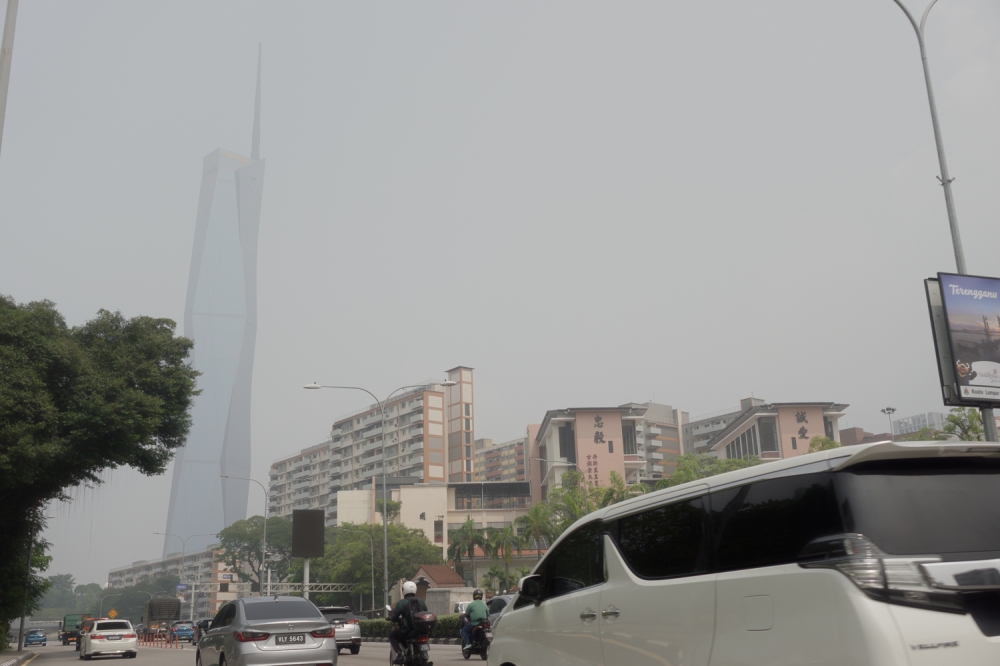
Dr Bala also pointed to scientific evidence linking poor air quality to changes in mental health.
“Epidemiological studies have found associations between exposure to air pollutants, particularly fine particulate matter (PM2.5), increased the risks of depression and anxiety.
“A 2026 systematic review and meta-analysis involving 81 studies reported associations between both short- and long-term air pollution exposure and depression and anxiety.
“Possible biological mechanisms include systemic inflammation, oxidative stress and neuroinflammatory processes affecting the brain,” he said.
PM2.5 refers to microscopic airborne particulate matter with a diameter of 2.5 micrometres or less.
Common sources of PM2.5 include vehicle exhaust, factory emissions, power plant combustion, open waste burning, and dust.
However, Dr Bala said most of the available evidence was observational, meaning a direct cause-and-effect relationship had yet to be established.
He added that the psychological effects of haze were likely caused by a combination of factors, including exposure to air pollution and indirect effects such as reduced physical activity, disrupted routines and social isolation.
Who is most vulnerable during prolonged haze
Dr Bala said several groups were particularly vulnerable to the effects of prolonged haze, with their level of risk influenced not only by their health status but also by their socioeconomic circumstances and access to protective resources.
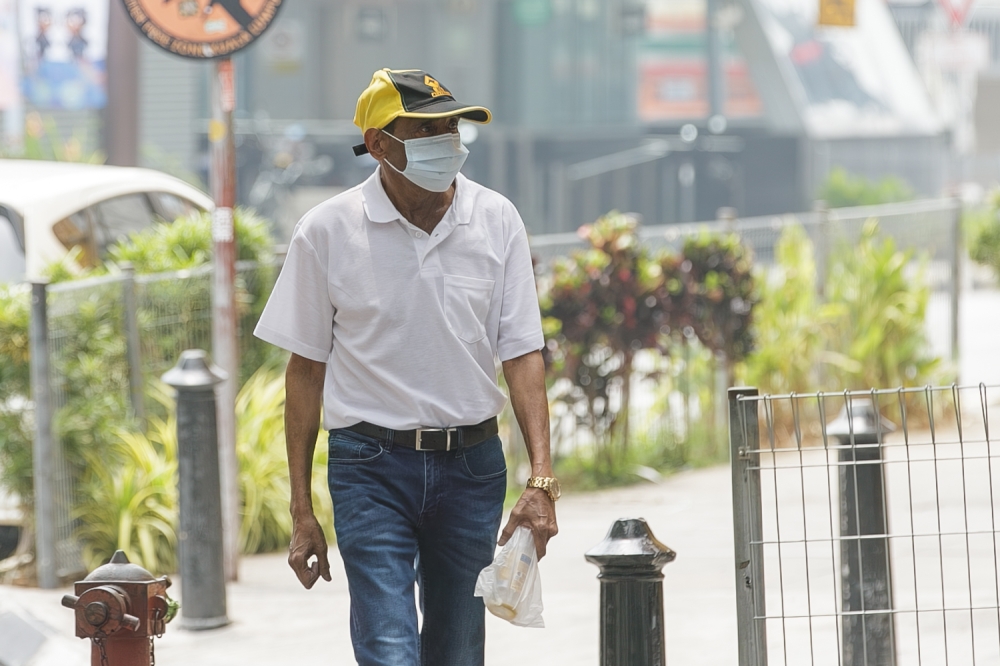
These groups include:
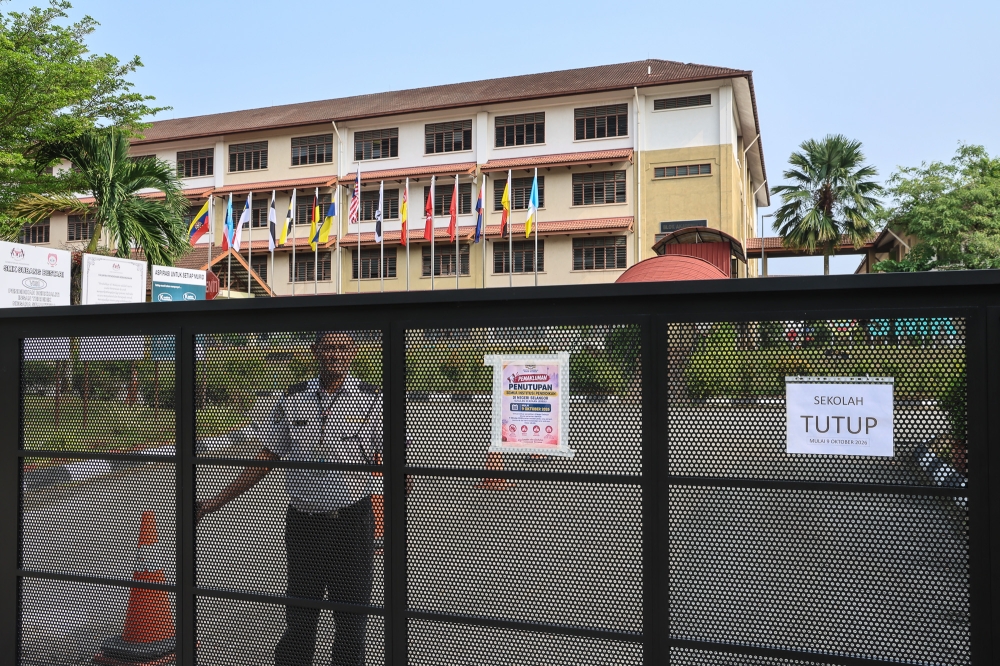
- Children and adolescents: Disruptions to play, schooling, physical activity and social interaction may affect their emotional and behavioural wellbeing.
- Older adults: Those with limited mobility or social support may be more susceptible to isolation.
- People with existing mental health conditions: Changes in daily routines, sleep patterns and access to support may aggravate their symptoms.
- People with chronic respiratory or cardiovascular diseases: Physical symptoms and concerns about their health deteriorating may increase psychological distress.
- Outdoor workers and lower-income households: Occupational exposure, limited access to cleaner indoor environments and difficulties in changing working arrangements may contribute to additional stress.
How parents can help children cope with restricted outdoor activities
Experts agreed that suddenly restricting children from participating in outdoor activities could affect their ability to regulate their emotions, as they may struggle to adjust to abrupt changes in their daily routines.
Dr Hilwa Abdullah Mohd Nor, a senior lecturer and clinical psychologist at Universiti Kebangsaan Malaysia, said parents play an important role in acknowledging their children’s feelings, maintaining routines and offering alternative ways for them to play, learn and connect with others.
“Children may not always have the language to explain their frustration or disappointment.
“Instead, they may become irritable, clingy, restless or more argumentative.
“Parents should recognise that these behaviours may reflect difficulty adapting to a disrupted routine rather than deliberate misbehaviour,” she said.
Dr Hilwa also suggested that age-appropriate indoor activities, such as drawing, board games, reading, building activities, indoor movement games and creative projects, could help children cope with the restrictions.
“Parents can also maintain children’s social connections through phone or video calls with friends and relatives,” she added.
She said it was also important for parents to explain the haze to their children using simple and reassuring language.
“For example, parents might say that the air outside is unhealthy at the moment, so the family is staying indoors to protect everyone’s health.
“Children should be given opportunities to ask questions without being unnecessarily frightened by the situation,” she said.
When to seek professional help
Dr Hilwa said people should not dismiss emotional difficulties as temporary stress if their symptoms become persistent, intense or begin to interfere with their daily lives.
She said professional support from a clinical psychologist or other qualified mental health professional may be necessary when emotional difficulties worsen or affect work, studies, relationships, sleep or daily responsibilities.
Some warning signs include losing interest in activities they previously enjoyed, excessive anxiety, persistent sleep problems, significant behavioural changes or difficulty coping with everyday demands.
She said people with existing mental health conditions should also seek support if their symptoms deteriorate or their usual coping strategies are no longer effective.
“For children and adolescents, parents should seek professional guidance if changes in mood, behaviour, sleep or daily functioning persist or become concerning, rather than waiting for the situation to resolve on its own,” she added.
Dr Hilwa stressed that seeking psychological support should not be viewed as an inability to cope, but as a proactive step towards protecting one’s mental health.
“Just as we take precautions to protect our physical health during haze, we should recognise psychological wellbeing as an equally important part of overall health,” she said.


