













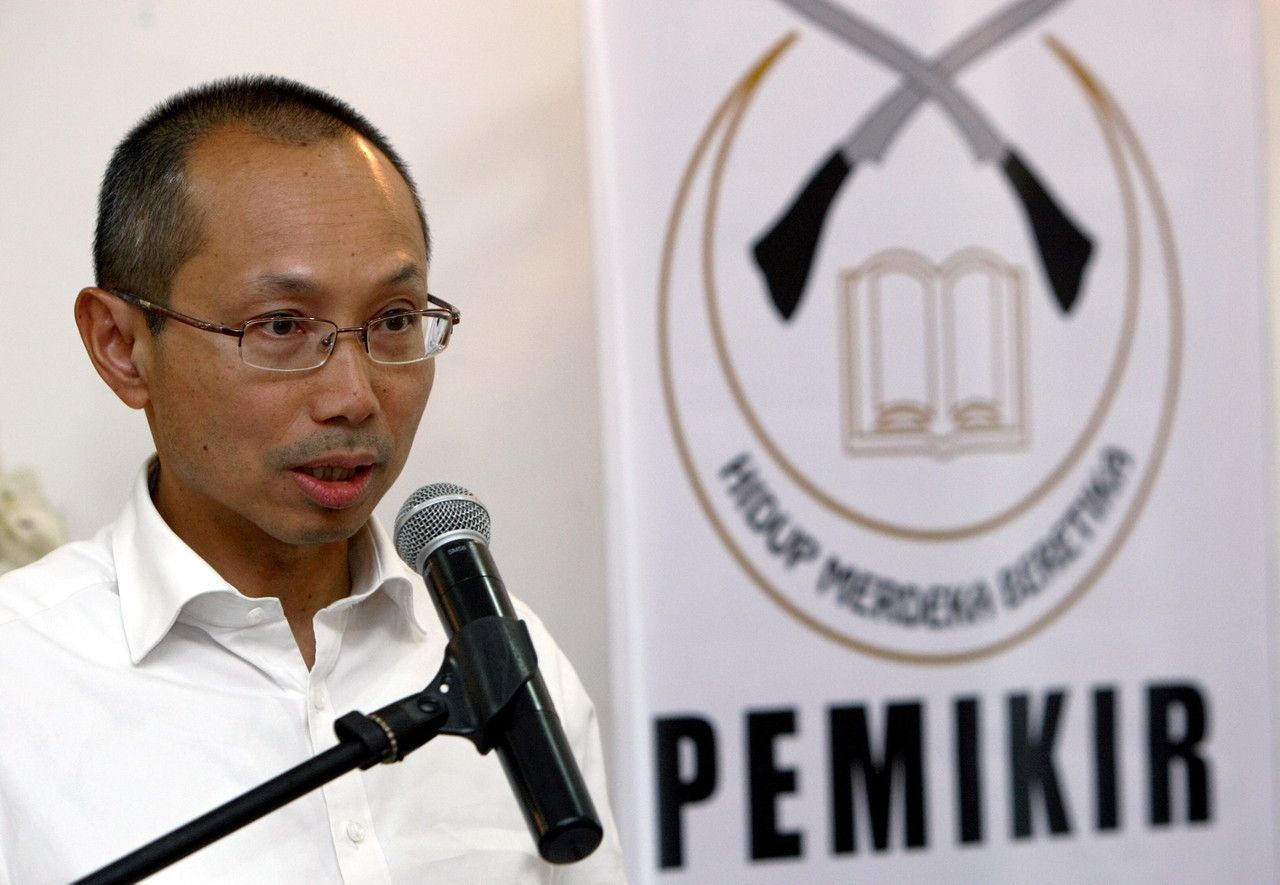


KUALA LUMPUR, Jan 27 — The federal government has laid out specific directives for 1Malaysia Development Berhad (1MDB) to deal with the many uncertainties surrounding the state investment firm, Datuk Seri Abdul Wahid Omar said.
The minister in charge of economic planning told an interview with Singapore broadcaster Channel News Asia that Putrajaya is “very clear” in what 1MDB needs to do to “resolve its issues”.
“It is very important for them to make sure their accounts are updated, secondly they need to bring back the funds placed in the Cayman Islands and third, they need to accelerate the listing of their energy company,” he said.
Earlier this month, 1MDB was reported as saying that it had already started redeeming funds it had deposited in the Cayman Island, having already repatriated RM4 billion from the tax haven.
The company said it is now in the process of redeeming the remaining US$2.3 billion or RM8.3 billion based on January 11 exchange rates.
It claimed that it is worth more than the previous valuation of RM7.7 billion in its accounts finalised in March last year due to the higher value of the ringgit.
1MDB was reported to also be in talks with T. Ananda Krishnan to engage him as a cornerstone investor in its long-delayed US$3 billion (RM10.7 billion) listing of its power assets, expected to happen in the second quarter of this year.
Malaysia’s second-richest man is said to be considering at least a five per cent stake in the deal, which would boost the profile of the company after constant criticism of its strategy.
1MDB, a brainchild of Prime Minister Datuk Seri Najib Razak, has come under intense opposition scrutiny following revelations of its growing debt pile.
Financial daily The Edge recently reported that the investment arm, which started as Terengganu’s oil investment fund, had fail to pay a short-term debt amounting to RM2 billion, prompting warnings of a rating downgrade.
But Bloomberg later reported 1MDB’s new chief executive Arul Kanda Kandasamy as defending the investment company’s credentials, insisting that it has been a “responsible borrower”.