


KUALA LUMPUR, June 29 — The second series of Citra Malaysia ‘Colours of Malaysia’ continues to serve as a platform to introduce Malaysia’s identity through dance and vocal performances that reflect the nation’s rich cultural arts to both the local community and foreign tourists.
The programme, organised by the Ministry of Tourism, Arts and Culture through the National Department for Culture and Arts (JKKN) in collaboration with Central Market and Pesta Kita, is not merely a cultural showcase; it also serves as a stage to highlight the uniqueness and diversity of Malaysia’s various ethnicities.
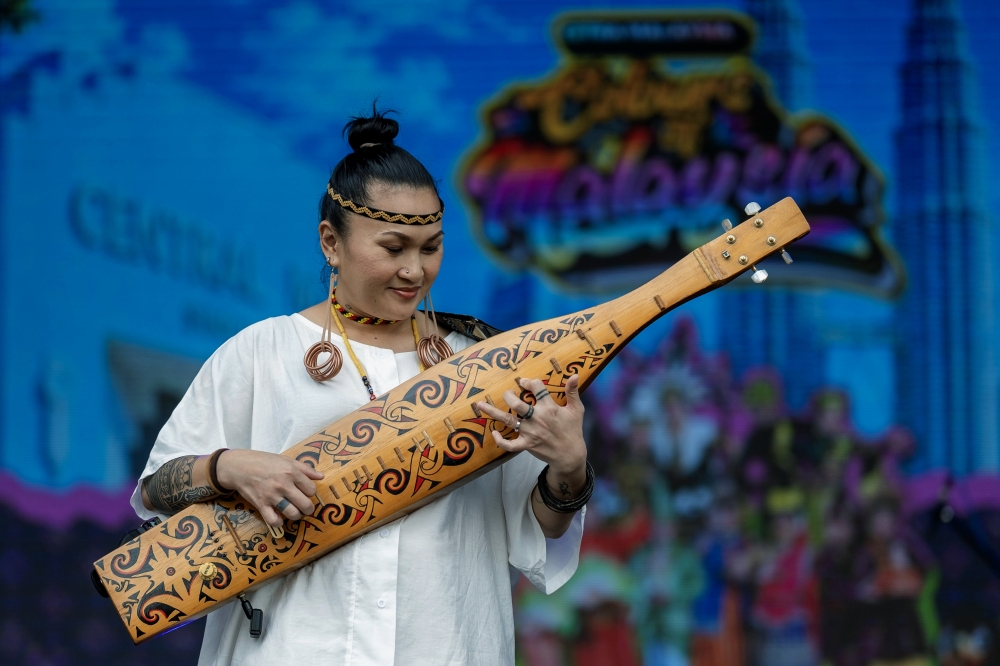
JKKN Deputy Director-General (Culture and Arts) Mohd Radzi Omar stated that while Colours of Malaysia has a broad scope, this year the department is focusing specifically on the performing arts.
“As we saw earlier, various genres of dances were performed, ranging from the Peninsular to the cultural dances of Sabah and Sarawak, including the Orang Asli.
“This is exactly what we want to showcase-that the performing arts aspect in Malaysia is incredibly rich with vibrant and colorful performances,” he told Bernama when met at the Citra Malaysia event at Central Market yesterday.
According to him, such cultural showcases also help promote Malaysian culture to foreign tourists visiting Central Market.
Mohd Radzi said that the Citra Malaysia programme is held with a minimum target of three times a year in every state, though the number of events organised usually exceeds the set target.
The second series of the Colours of Malaysia programme carried the theme ‘Cultural Dance Troupe,’ featuring traditional dances such as the mentera semerah padi, sigar birami, zapin, inang payung, joget berpaut kasih, lantern dance, sewang, kolasu, and anggalang magunatip.
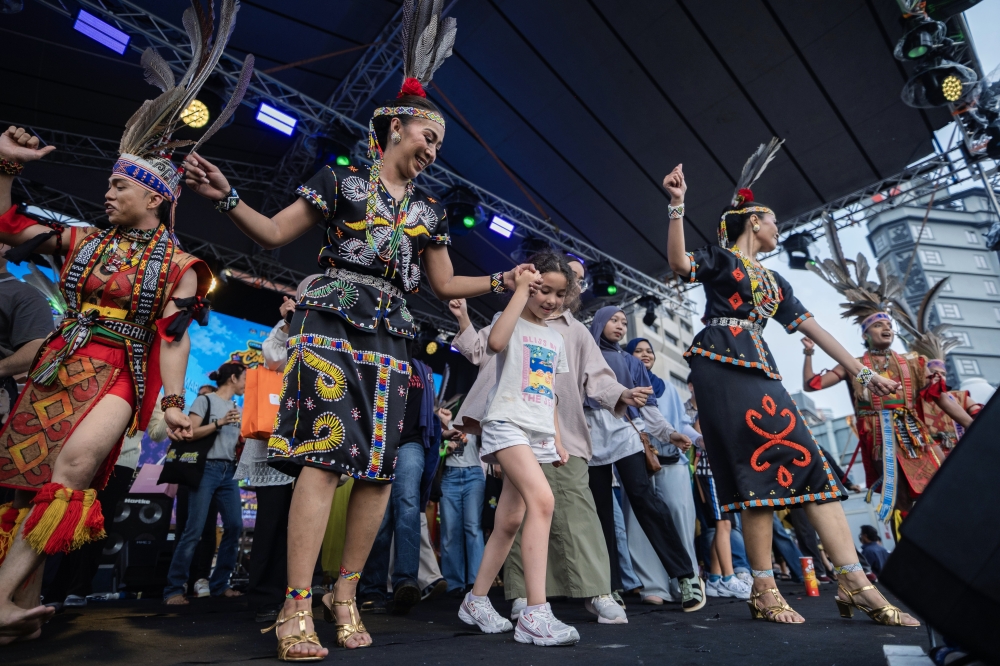
Meanwhile, a tourist from Algeria, Farid Djoudi, said that the artistic performances at Colours of Malaysia gave him the opportunity to get to know Malaysia’s diverse culture, spanning multiple races and religions.
“That’s very good and wonderful. It reflects the culture of Malaysia, in different people, different culture and religion,” he said.
Rainey Wei, a tourist from Gansu, China, shared that she was quite mesmerised to see a performance utilising a traditional Chinese musical instrument.
“I think it’s very unique and brilliant culture as well. And also the instrument, I think it’s China traditional instruments [Guzheng], I feel very familiar and special to see it here,” she said. — Bernama


