


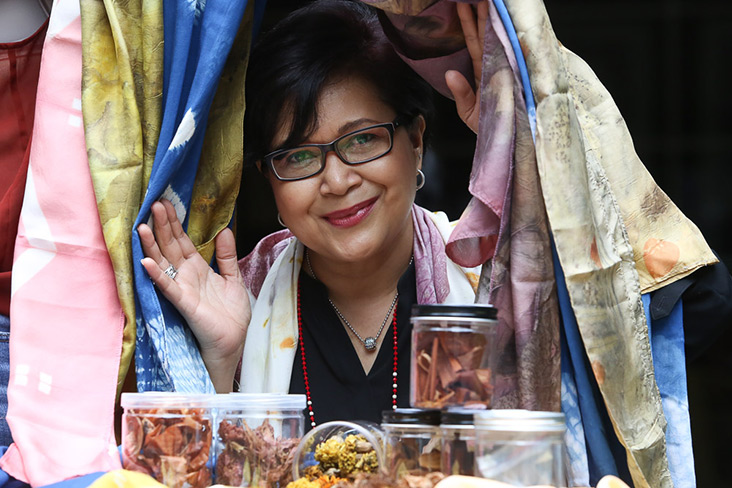


KUALA LUMPUR, April 4 — For Masitah Babjan, onion skins are not rubbish to be discarded.
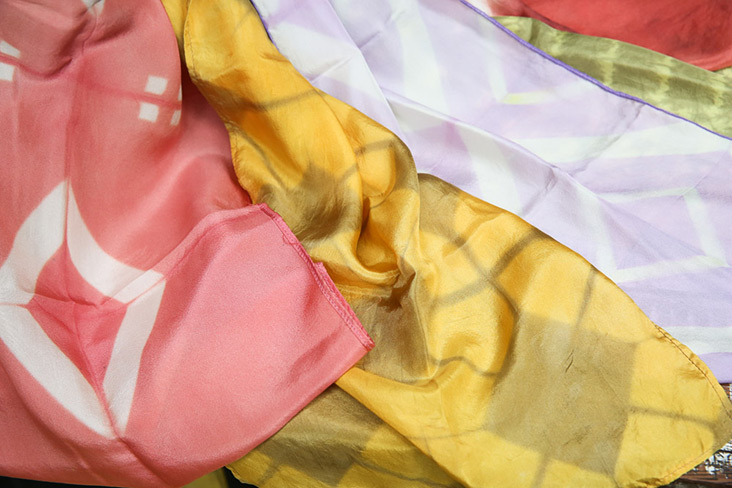
Under her skilful hands, they can colour a piece of plain cotton fabric a beautiful yellow shade.
That's not all.
Rambutan skins, avocado skins and mangosteen skins are also some of the things which Masitah has experimented with to produce natural dyes. Quite simply, the possibilities are endless with Nature's gifts.
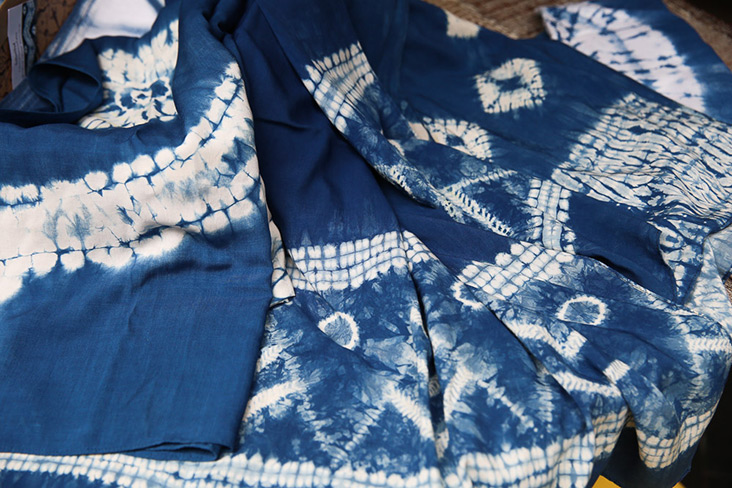
The management consultant set up SyiboriSyd as a side business producing natural dyed products on a small batch basis.
In addition, she is also trying to spread the word about slow fashion and eco-living by giving talks and workshops.
Back in May 2017, the 58-year-old stumbled upon a shibori workshop in Bangsar. "What attracted me was the word 'natural'," she explained.
After taking the basic workshop and exploring via Instagram — it opened up a world of eco-living and natural things — she thought. "This is it, I am hooked on natural dye forever."
The whole process of natural dye also appealed to Masitah's engineering background, especially the planning part. "For me, it's fun to experiment and find things out. Sometimes you never know what's going to come out.
"I am a very impatient person but this has taught me to be very, very ultra patient."
As she delved deeper into her hobby, she realised that it was good to just sit back and relax while Nature did her magic.
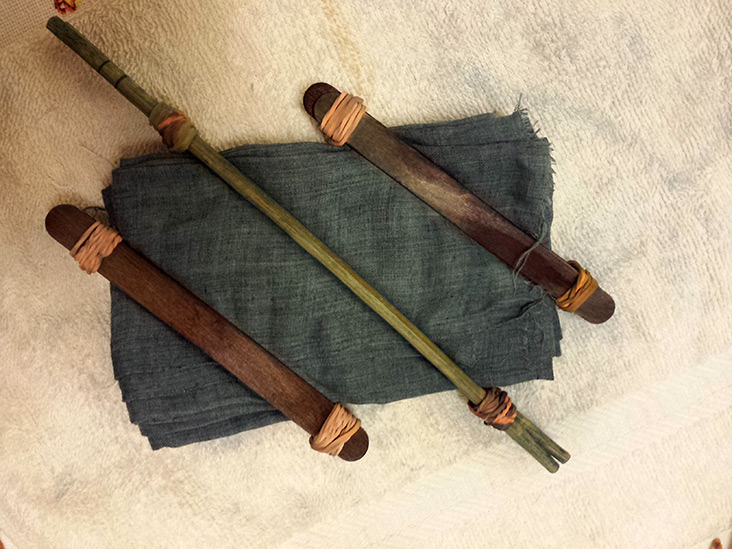
Shibori is a method the Japanese use to embellish textiles by wringing, squeezing and pressing the cloth before dyeing it. Usually, indigo, a natural dye, is used.
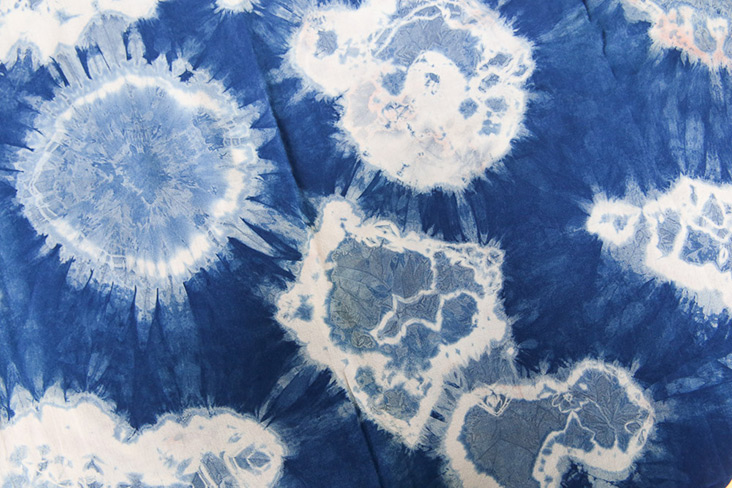
Labelled "blue magic", the dye is extracted from the indigo plant. Back in ancient Japan, indigo was revered for its anti-bacterial uses.
The samurai would place an indigo cloth under their armour to protect their body from infection, should they be wounded.
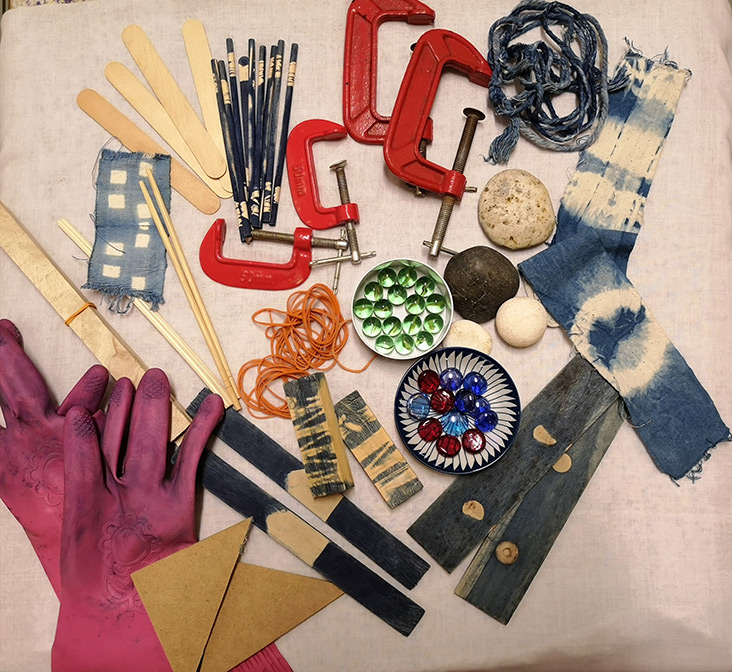
For the shibori method, Masitah uses chopsticks, marbles, ropes and even stitches to create various patterns that range from simple to complicated. The possibilities are endless.
Her zest to create these patterns sometimes leads to insomnia. "My engineering mind would go: 'How do they do it?' It would keep me awake!"
Out of necessity, since sourcing indigo powder from a reliable source was difficult, she started to explore other resources. Mango leaves, turmeric and even dried mangosteen skins were fair game for all her experiments.
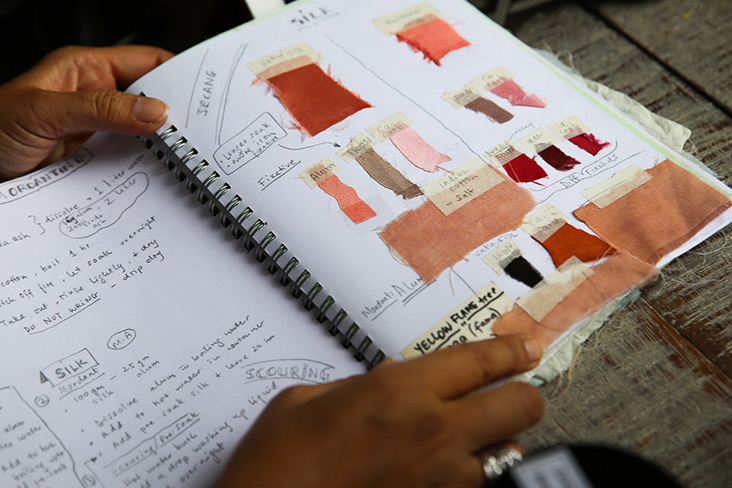
With each batch of ingredients and different fabrics, she'd document the colours produced in her journal. As she delved deeper, she discovered eco-printing.
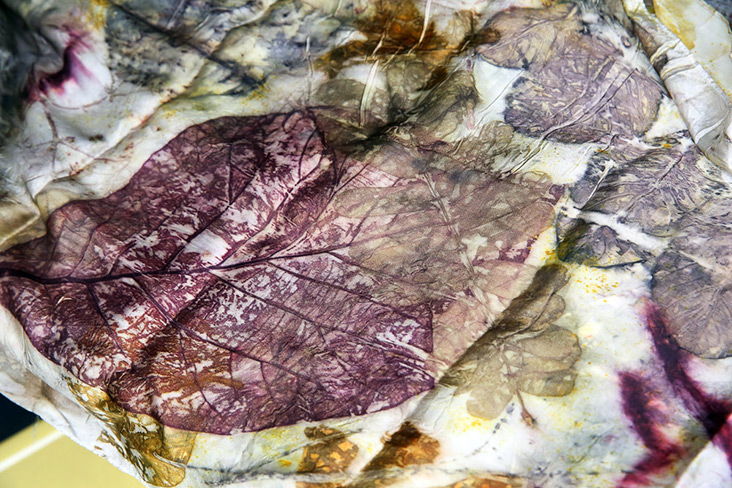
Masitah explained, "it's a technique of applying direct impression of leaves, flowers and plant materials on natural dyed fabrics."
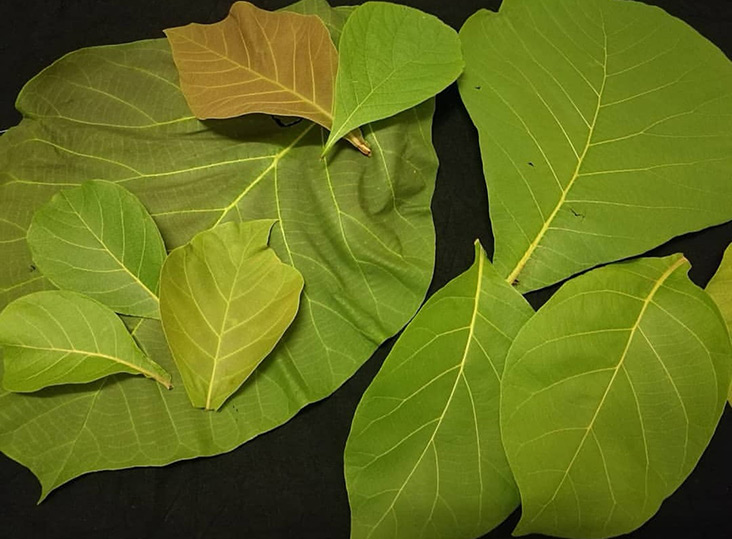
The leaves and flowers will be scattered over a natural dyed shawl, rolled up and steamed for two hours. This is then left overnight and unrolled to reveal a wonderful masterpiece, crafted from natural pigments released by the leaves or flowers.
Most times, Masitah will use teak leaves that leave a dark purplish imprint on the cloth. Usually, these are foraged by Masitah whenever she spots them on the side of the road.
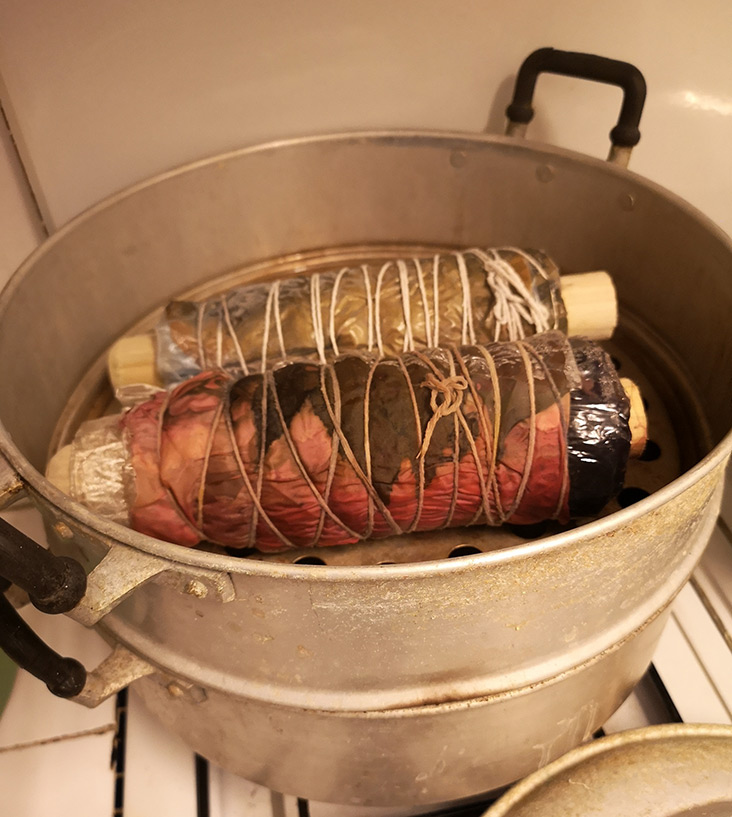
In Langkawi, where teak trees are found in abundance, Masitah went crazy picking the leaves. Nowadays, she's forever looking up trees and shrubs to spot things she can use for her weekend hobby.
Even when she's attending a wedding, she would keep an eye out for leaves. "Every time there's a wedding, I don't look at the roses, I look at the leaves!"
Her explorations led her to using onion skins, which she'll ask for from restaurants. "People cook stew with onions... I cook onion skins!" Masitah said that her husband Abdul Halim is accustomed to their fridge not being filled with vegetables but leaves and barks! He is her biggest supporter in this hobby and even forages leaves for her from the roadside. "People's husbands bring flowers back, my husband brings me leaves!"
Being new to natural dye, Masitah received massive support from others on Instagram. "I was joining a community and a tribe on Instagram and that is how I self study. I am in my kitchen here and I am communicating with people from the US and Australia, who are textile artists and so helpful."
Aside from eco-printing, Masitah has also taught an eco-pounding workshop. The method is simpler since you can pound an imprint of flowers and leaves on treated cloth. However, the cloth needs to go through a long process to ensure it's ready for this process. This is the same process needed when she has to dye the cloth.
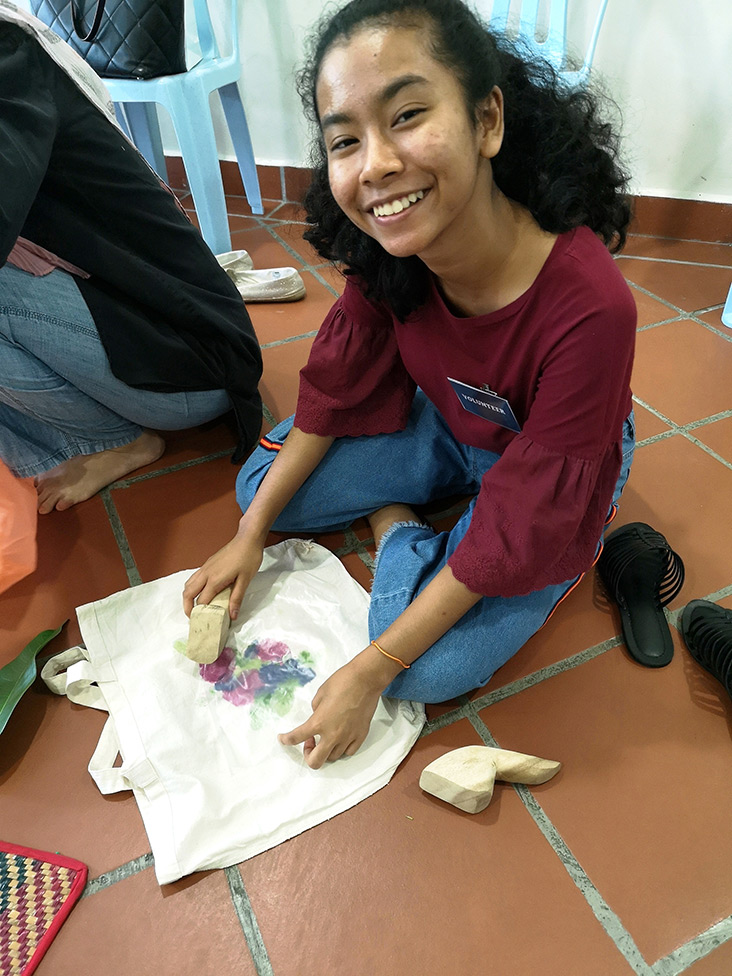
First, the cloth is scoured to clean it from wax and starch. Once ready, it goes through a mordanting process which prepares the cloth to absorb the dye. After that process, it is dried before it can be dyed. After the dye process, it is left to cure which allows the colour to set. This can take a long time, hence for Masitah it's slow fashion and she only makes small batches for sale.
For Masitah, this hobby has been a journey of self discovery from indigo, shibori techniques to eco-pounding. "You have to understand the characteristics. I went into fibres, botanicals, leaves and bark. In the beginning, I went into indigo and later, I kept going into it more and more... that is what excites me!"
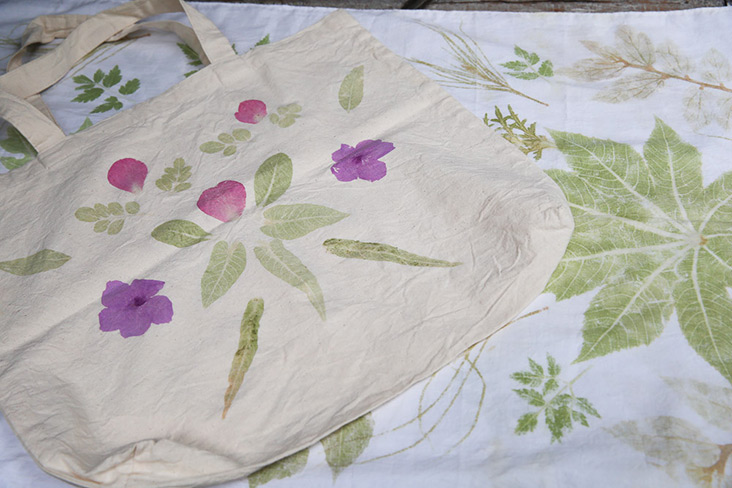
Moving forward, Masitah will be working with the Rohingya refugee centre, where the women will help to sew cushions for her to dye. She believes it's also important to educate people about what one can do with floral waste or even kitchen waste. An appreciation is also needed for these kind of slow fashion — completely natural and pollutant free. "It is respecting the environment and how you can relate to the community."
SyiboriSyd can be found on Instagram @syiborisyd. For special orders, you will need to give at least three months' notice.


